
IPhone Fold will use Samsung technology to create a thinner, brighter screen

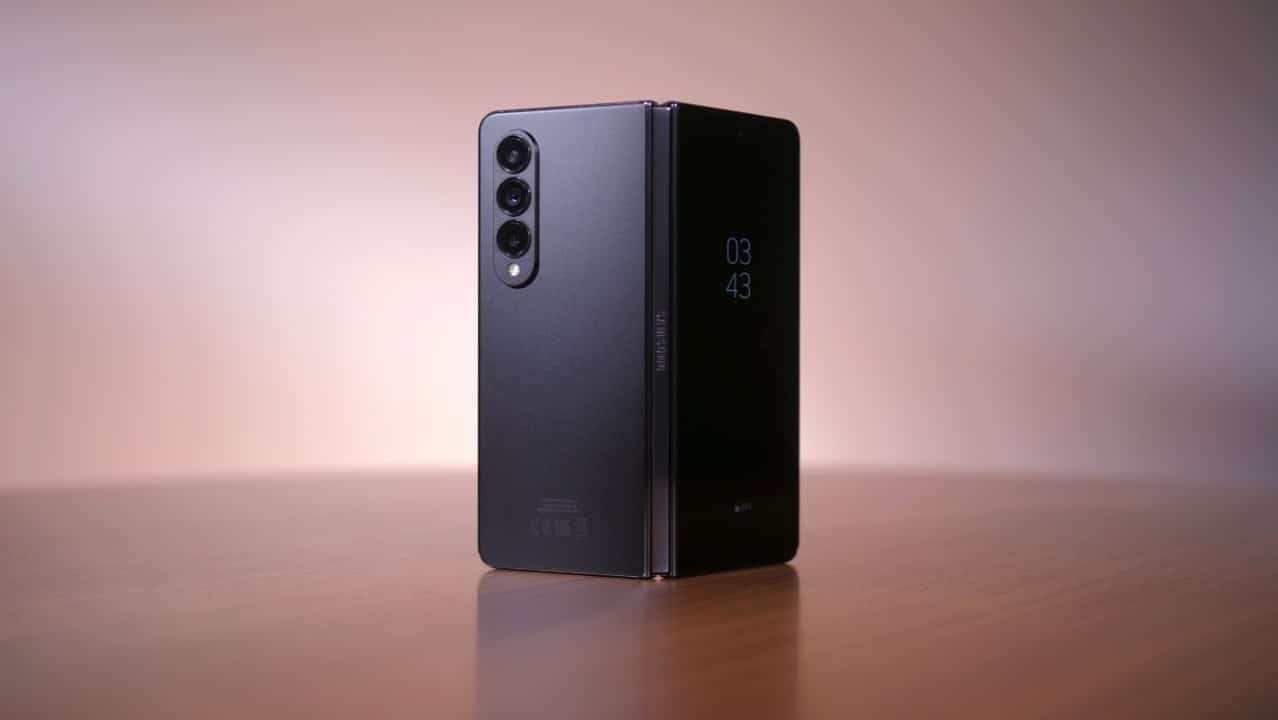
Apple is intensifying preparations for the launch of its first foldable smartphone, tentatively known as iPhone Fold. Informações recent reports indicate that the company has entered into a strategic partnership with Samsung Display to utilize cutting-edge technology in its panels, aiming to create a notably thinner, brighter and more energy-efficient device. Essa collaboration signals Apple’s entry into the competitive foldable market, with a product that promises to solve some of the main complaints of current models.
The core innovation is CoE (Color on Encapsulation) technology, which eliminates the polarizer layer traditionally used in OLED displays. By integrating the color filter directly into the panel’s encapsulation layer, the Apple seeks to optimize light transmission, resulting in a display with greater brightness without increasing battery consumption. The expectation is that the device will hit the market between 2026 and 2027, positioning the company to compete directly with giants in the sector that have already been exploring this niche for a few years.
The decision to adopt a solution developed by Samsung reinforces Apple’s dependence on South Korean suppliers for critical and advanced components. Embora are direct competitors in the smartphone market, the collaboration in the development of high-performance screens is a calculated move to ensure that the iPhone Fold reaches consumers with the best display technology available, establishing a new quality standard for the category.

What is Samsung CoE technology
The Color on Encapsulation technology represents a significant evolution in the manufacturing of OLED panels. Sua main feature is the complete removal of the polarizer, a plastic film that, although essential for reducing reflections on conventional screens, blocks approximately 50% of the light emitted by the display’s pixels. Essa loss of brightness forces manufacturers to increase panel power to ensure good visibility, which directly impacts energy consumption.
With CoE, the color filter and other optical functions are integrated into the thin-film encapsulation (TFE) layer, which protects the organic diodes from moisture and oxygen. Essa approach not only simplifies the structure of the display, making it thinner, but also allows more light to reach the user’s eyes. The result is a screen that can achieve higher brightness levels with considerably less energy consumption.
Samsung Display, a pioneer in this area, first introduced the technology in 2021 in its Galaxy Z Fold 3, under the trade name Eco² OLED. Desde So, the solution has been improved with each generation, solidifying itself as an important differentiator for devices that need to balance a compact design with robust battery life, a constant challenge in the foldable segment.
According to data from Samsung itself, the implementation of CoE can reduce the panel’s energy consumption by up to 37% compared to screens that use traditional polarizers. Essa Efficiency is crucial to the design of the iPhone
Advantages to the iPhone Fold design
The adoption of CoE technology will have a direct and visible impact on the final design of the iPhone Fold. The Apple is known for its relentless pursuit of thinner and lighter devices, and thickness has been one of the main points of criticism in first and second generation foldable smartphones. Removing the polarizer layer contributes to a more compact screen assembly, allowing the device’s chassis to be smaller without sacrificing structural integrity. Isso will help avoid the feeling of an overly bulky device when closed, bringing it more in line with the minimalist aesthetic of traditional iPhones.
In addition to its thickness, the screen’s energy efficiency opens up new possibilities for the device’s internal engineering. With a display that consumes less energy, the Apple can choose two strategies: maintain a battery of similar size to competitors and offer greater autonomy, or reduce the size of the battery cell to free up internal space for other components or to further tune the device. Essa flexibility is a valuable asset in the development of a first-generation product, enabling an ideal balance between form and function, and ensuring that the user experience is not compromised by innovation in form factor.
The strategic partnership between Apple and Samsung Display
The relationship between Apple and Samsung is one of the most complex and fascinating in the technology industry. Enquanto your marketing and sales teams face each other fiercely for dominance of the global smartphone market, your engineers and supply executives maintain deep and essential collaboration. Samsung Display has been the leading supplier of OLED panels for iPhones for years, having the technology and mass production capacity that Apple requires for its volume products. The choice of CoE technology for the iPhone Fold is not only a technical decision, but also a deepening of this strategic alliance. By ensuring access to this innovation, Apple ensures that its first foldable device will not be at a technological disadvantage compared to its main competitor. Essa mutual dependence, where Samsung benefits from Apple’s huge order volumes and Apple benefits from Samsung’s technological leadership, is expected to continue to shape the premium display market in the coming years, setting the standards that other manufacturers will seek to achieve.
Expanding technology to other devices
While the iPhone Fold is the main focus of rumors surrounding CoE technology, supply chain reports suggest that Apple plans to expand the use of this innovation to other products in its portfolio. Future Modelos, such as the supposed iPhone Air 2 and even the main iPhone 18 line, could incorporate panels with this technology.
The application on traditional format smartphones would mark an important step towards the popularization of CoE. The benefits of energy efficiency and improved brightness are universally desirable, and their implementation across the entire iPhone line could provide a significant gain in battery life, reinforcing one of the brand’s main selling points.
History and evolution of foldable technology
The journey of foldable screens has been marked by rapid evolution since the first prototypes. The initial challenges were immense, including the visibility of the crease in the fold, the durability of the panel to repeated opening and closing movements, and the general fragility of the flexible surface. CoE technology has emerged as one of the answers to these challenges.
When introduced into the Galaxy Z Fold 3, the solution not only improved efficiency but also contributed to better image quality, helping to mask imperfections and enhance contrast. With each new generation, Samsung has refined the manufacturing process, making the panels more robust and the visual experience more immersive.
Apple’s late entry into the market allows the company to benefit from years of industry learning and development. The iPhone Fold will arrive at a time when flexible display technology has reached a considerable level of maturity, allowing Apple to focus on refining the software experience and integration with its ecosystem.
Technical details and expected specifications
Industry analysts predict that the iPhone The external display, in turn, must have a size close to that of a standard iPhone, ensuring usability with the device closed. The combination of materials such as aluminum and titanium in the structure will be essential to achieve the desired balance between lightness and durability, essential characteristics for a premium device.
The competitive landscape in the foldable smartphone market
The arrival of the iPhone Fold should redefine the foldable smartphone market. Atualmente, Samsung leads handily, but faces growing competition from brands such as The entry of Apple tends to further legitimize the category and accelerate mass adoption.
Competitive pressure will force all players to innovate at a rapid pace. The expectation is that competition will intensify in areas such as center crease reduction, the development of software optimized for larger screens and, most importantly, the creation of more aggressive pricing strategies to attract a wider audience beyond technology enthusiasts.




