
Lucid Air Grand Touring electric sedan drops 40% in value in less than a year on the used market

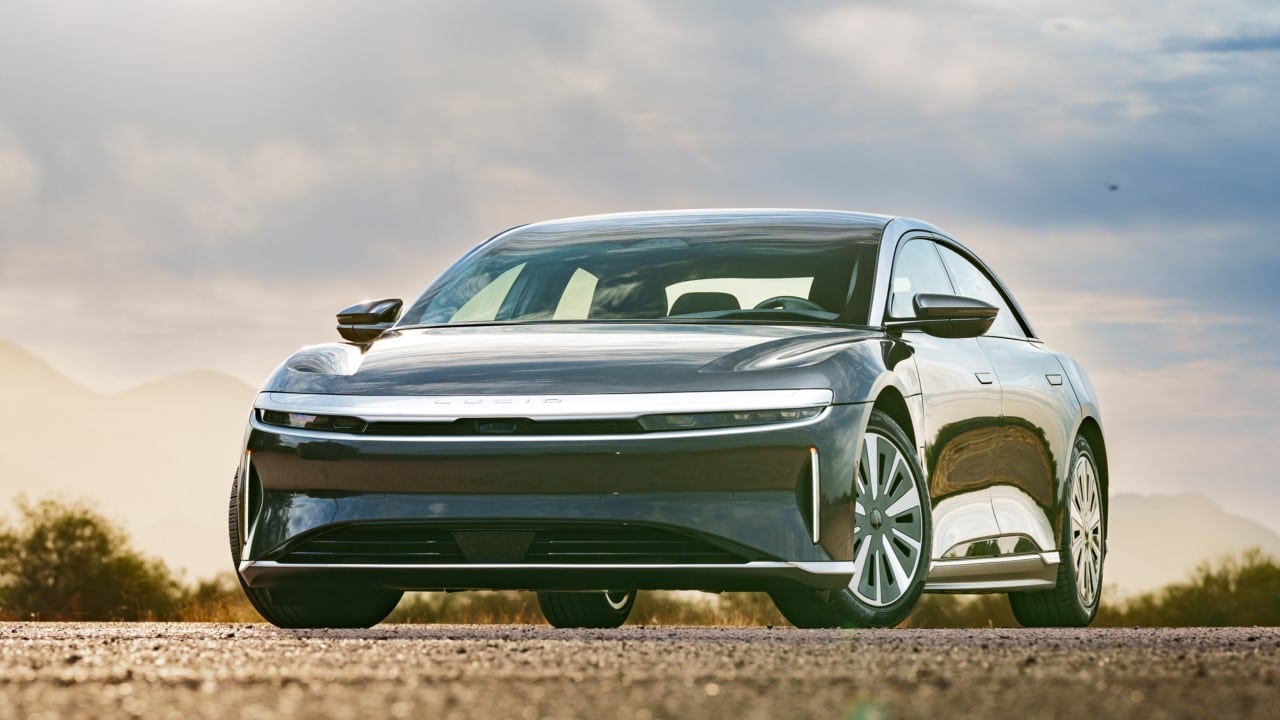
The luxury electric vehicle market has once again demonstrated its volatility with the recent sale of an Lucid Air Grand Touring. The model, purchased new for approximately US$125,000, was resold for US$75,500 in less than twelve months, resulting in a financial loss of more than US$49,000 for its first owner. Este specific case, involving a vehicle with just 10,500 kilometers driven and in impeccable condition, raises an alert about the steep depreciation curve that affects some of the most advanced and expensive electric cars currently available. The transaction highlights a growing trend where rapid technological evolution and automakers’ pricing strategies place strong pressure on the residual value of these high-end assets.
The significant devaluation is not due to problems with the vehicle, but rather to complex dynamics in the sector. Fierce competition, combined with constant advances in autonomy and software, means that models from the previous year quickly lose their attractiveness. Esse scenario creates a window of opportunity for secondary market buyers, who can acquire cutting-edge technology at a fraction of the original cost.
The example in question was equipped with several options that increased its initial price, making the loss even more significant. Entre the additional items stand out:
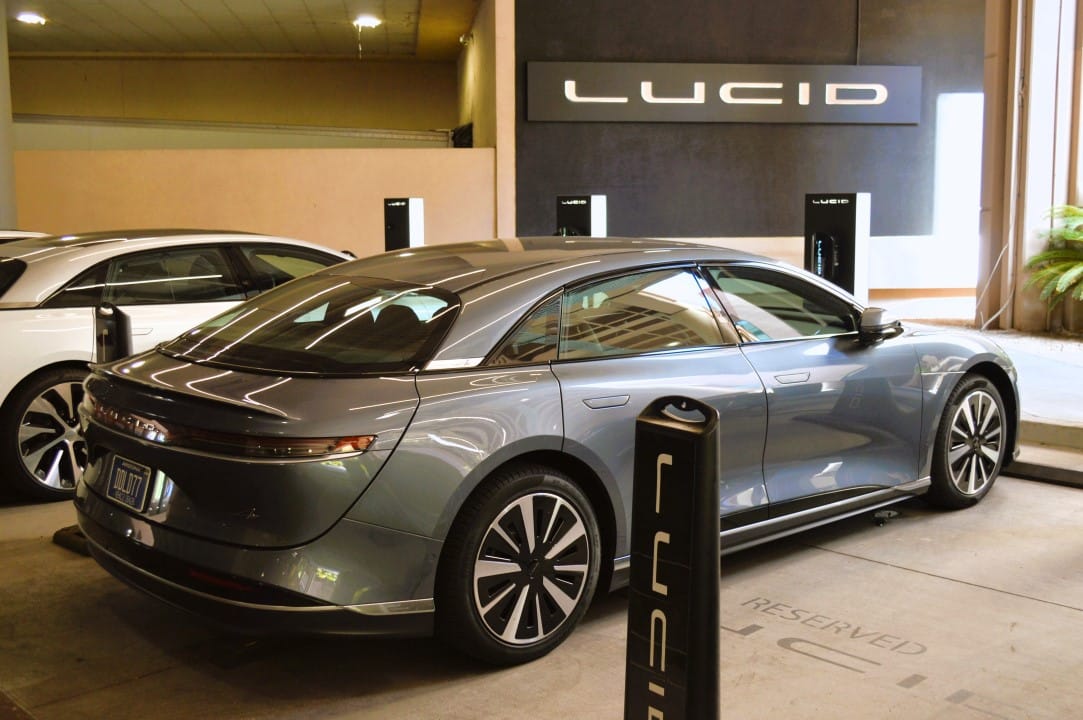
– Pacote leather Tahoe: US$ 5,500
– DreamDrive Pro driver assistance system: US$2,500
– Bancos front with massage and ventilation: US$ 3,750
The phenomenon of depreciation in the premium segment
The sharp decline in the resale value of luxury electric vehicles such as the Lucid Air is a multifactorial phenomenon that defies traditional automotive market expectations. Diferentemente of combustion cars, whose depreciation is more predictable, high-end electric cars are susceptible to accelerated devaluation driven mainly by the speed of technological innovation. With each new release comes significant improvements in battery efficiency, range, recharge speed and software features, making previous models comparatively less desirable. Além In addition, manufacturers themselves contribute to this dynamic by offering aggressive discounts and incentives on new vehicles to boost sales and achieve production targets, which inevitably puts downward pressure on prices for the entire used fleet. Increasing competition, with new brands and models entering the premium segment, also increases supply and forces a correction in values in the used car market, where consumer perception of value is more linked to onboard technology than to traditional mechanical durability.
Lucid Air Grand Touring technical analysis
The Lucid Air Grand Touring is positioned as one of the most technologically advanced electric sedans on the global market. Equipado with two electric motors that produce a combined power of 819 horsepower, the model offers impressive performance, capable of accelerating from 0 to 96 km/h in around three seconds, a number that rivals super sports cars.
Its main differentiator, however, is autonomy. Graças to a set of high energy density batteries and an efficient aerodynamic design, the Grand Touring achieves a declared range of up to 824 kilometers on a single charge, according to the EPA cycle, placing it at the top of its category and surpassing many of its direct competitors.
Specific factors that impact Lucid
Although depreciation is a general trend in the segment, factors specific to the Lucid brand can intensify the effect. Como is a relatively new automaker on the automotive scene, Lucid does not yet have the same brand recognition and loyalty as established competitors such as Mercedes-Benz or Porsche, which can create uncertainty in the resale market.
The production and sales volume, even lower compared to giants in the sector, also affects the liquidity of its models on the used market. A smaller base of circulating vehicles can make it difficult to form a stable reference price, making transactions more susceptible to large variations.
Additionally, the pricing strategies and incentive packages offered by Lucid itself for new models can have a direct and negative impact on the value retention of vehicles that are already in circulation, as seen in this case.
Opportunity for the secondary buyer
The steep initial devaluation represents a clear disadvantage for the first owner, but turns into a great opportunity for those looking for a luxury electric vehicle in the pre-owned market. Adquirir a low mileage Lucid Air Grand Touring for almost half the original price allows access to a level of technology, performance and refinement that would be unaffordable to many.
The second owner essentially “skips” the most severe phase of the depreciation curve. Ele receives a vehicle that, in practice, is still new, maintaining all its factory features and, in many cases, part of the original warranty.
This dynamic makes the used car market a viable gateway to high-end electrification. Compradores can experience the latest in electric mobility without bearing the full cost of launch and the subsequent immediate loss of value.
For the new owner of the Grand Touring sold for US$75,500, the transaction represents a win-win deal as the main financial impact of the depreciation was absorbed by the original owner.
How the electric market compares to combustion engines
Historically, luxury combustion vehicles also suffer significant depreciation in the early years, especially large sedans from premium brands. Contudo, the electric market introduces additional variables that make this drop even more abrupt. The main one is the concern about long-term battery degradation and the cost of its eventual replacement, an uncertainty that does not exist in traditional models. Embora manufacturers’ warranties cover the first few years, the perception of future risk still influences resale values.
Another crucial factor is the evolution of charging infrastructure. As new, faster, more efficient charging technologies become standard, older vehicles with slower charging systems may become less practical and, consequently, less valuable. The speed of software updates via the internet (over-the-air) also creates a disparity, where newer models receive features that may not be available to older ones, accentuating perceived obsolescence.
Equipment and options of the model sold
The value of a luxury vehicle is often elevated by a long list of optional equipment, which personalizes the experience but rarely retains its value on the resale market. In the case of the Lucid Air in question, more than US$13,000 of the original price corresponded to extra items, such as the sophisticated Tahoe leather package and the advanced DreamDrive Pro driver assistance system.
Although these features significantly improve comfort and safety, their perceived value on the used market is much lower. Compradores of used cars tend to focus on the base value of the model, and the options, however expensive they may have been, contribute only marginally to the final resale price, increasing the percentage of loss for the first owner.
Lucid’s strategy with certified vehicles
Aware of the challenges of devaluation, Lucid, like other electric vehicle manufacturers, has invested in certified pre-owned vehicle programs. Essa strategy aims to create a controlled sales channel, where cars undergo a rigorous inspection and are sold with an extended warranty, offering greater security and confidence to the buyer and helping to stabilize prices in the secondary market.



