
New Yaris Cross XR intensifies competition with WR-V and Kait by offering a competitive price in the SUV segment


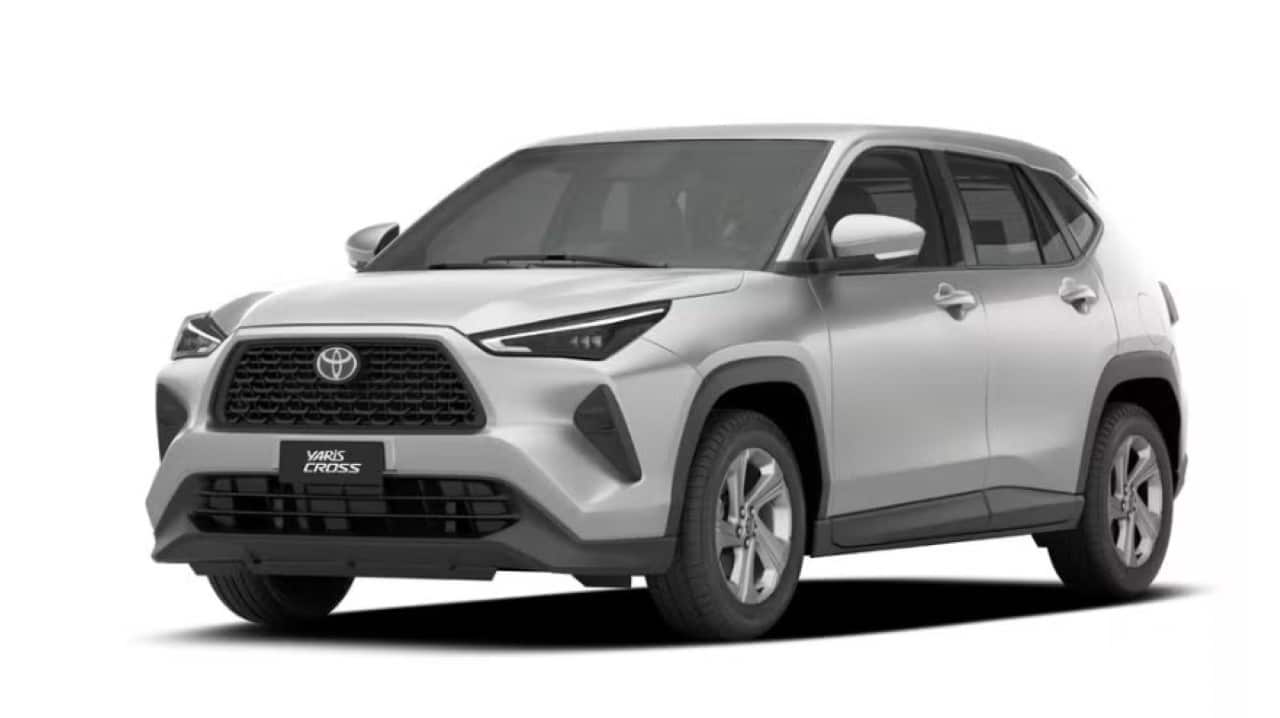
Toyota announced the launch of the XR version of the Yaris Cross 2026, configured as an entry-level option for the compact SUV priced at R$149,990. The new Essa positions the model directly against the Honda WR-V and the Nissan Kait, rivals that dominate the same price range in the Brazilian market.
The Yaris Cross XR arrives at dealerships from April 2026, initially focused on direct sales and eligible for PCD benefits. The configuration maintains the 1.5 flex aspirated engine, but reduces the price in relation to superior versions, making it more accessible.
The dispute gains strength with similar prices between competitors. The Honda WR-V has versions starting at R$147,100, while the Nissan Kait Advance Plus costs R$149,890, creating a balanced comparison in the most competitive segment in the country.
Prices and market positioning
The Toyota Yaris Cross XR starts at R$149,990, a value that puts it at the center of the fight among Japanese compact SUVs. Essa strategy reduces the model entry cost compared to superior hybrid configurations.
The Honda WR-V offers two main options: the EX for R$147,100 and the EXL for R$152,100. Já o Nissan Kait Advance Plus registers R$ 149,890, maintaining direct proximity to the new Toyota.
- Toyota Yaris Cross XR: R$ 149,990
- Honda WR-V EX: R$ 147,100
- Honda WR-V EXL: R$ 152,100
- Nissan Kait Advance Plus: R$ 149,890
These values reflect the competitiveness of the segment. Manufacturers adjust tables to attract consumers looking for space, technology and efficiency in compact SUVs.
Engine and performance
The Yaris Cross XR uses a 1.5 aspirated flex engine that delivers up to 122 horsepower and 15.3 kgfm of torque. The set works with a simulated seven-speed CVT transmission, prioritizing comfort in urban use.
The Honda WR-V adopts a 1.5 aspirated flex engine with 126 horsepower and 18.5 kgfm of torque. The CVT box also simulates seven speeds, offering slightly more agile responses when accelerating.
The Nissan Kait maintains a 1.6 aspirated flex engine with up to 113 horsepower and 15.3 kgfm of torque. The simulated six-speed CVT transmission ensures smooth operation, although with lower power than rivals.
The three models prioritize balance between performance and economy. Thermal settings suit drivers who prefer simple maintenance without giving up everyday drivability.
Fuel consumption
The Toyota Yaris Cross XR records consumption of 12.6 km/l in the city and 14.3 km/l on the highway with gasoline, according to data from the Inmetro. With ethanol, the numbers are 8.8 km/l and 10.2 km/l, respectively.
The Honda WR-V has 12 km/l in the city and 12.8 km/l on the highway with gasoline. In ethanol, it achieves 8.2 km/l in urban areas and 8.9 km/l on highways, showing similar efficiency in mixed cycles.
The Nissan Kait Advance Plus scores 11.3 km/l in the city and 13.7 km/l on the highway with gasoline. With ethanol, it obtains 7.8 km/l and 9.4 km/l, falling slightly behind its competitors in urban use.
- Yaris Cross XR (petrol): 12.6 km/l city / 14.3 km/l highway
- WR-V (gasoline): 12 km/l city / 12.8 km/l highway
- Kait Advance Plus (gasoline): 11.3 km/l city / 13.7 km/l highway
These indices highlight the efficiency of naturally aspirated engines. Compact SUVs meet demands for economy on daily commutes without significant loss of performance.
Dimensions and internal space
The Honda WR-V leads in dimensions with 4.32 meters long, 1.79 meters wide and a wheelbase of 2.65 meters. The trunk holds 458 liters, offering the largest space in comparison.
The Toyota Yaris Cross XR measures 4.31 meters long, 1.77 meters wide and has a wheelbase of 2.62 meters. The trunk has 400 liters, enough for moderate family use.
The Nissan Kait maintains the measurements of the previous generation of the Kicks, measuring 4.30 meters in length and having a wheelbase of 2.62 meters. The trunk registers 432 liters, placing it between rivals.
The differences are small, but they impact comfort for tall passengers. The WR-V gains an advantage in rear seat legroom, while the other models balance it out with good ground clearance.
External equipment and finishing
The three SUVs have LED headlights and taillights as standard, ensuring efficient lighting in any condition. Rodas 17-inch light alloys complete the visual package in all compared versions.
The Yaris Cross XR and WR-V feature body-colored door handles and mirrors. The Nissan Kait opts for a darkened finish on the exterior mirrors, giving it a sportier look.
The seat coverings vary depending on the configuration. On the No Yaris Cross XR and Kait Advance Plus, fabric predominates, while the WR-V EXL offers a premium leather option.
These external details reinforce the identity of each model. The finishes meet expectations of durability and style in the compact SUV segment.
Internal technology and connectivity
All versions have a multimedia center with wireless connection for Android Auto and Apple CarPlay. The Yaris Cross XR and WR-V have a 10-inch screen, while the Kait uses a 9-inch display.
Air conditioning is standard, but only the Yaris Cross XR maintains analog control. The Nissan Kait differs by not offering rear air vents as standard on the Advance Plus version.
Connectivity ensures complete integration with smartphones. Multimedia systems facilitate navigation and entertainment on long trips or urban journeys.
Active and passive safety features
The four models have six airbags and stability and traction controls. The Yaris Cross XR includes hill start assistant and ABS brakes with electronic distribution.
The Honda WR-V adds adaptive cruise control, automatic emergency braking, and lane keep assist. Esses features raise the level of protection on highways.
The Nissan Kait Advance Plus offers forward collision warning with automatic braking and pedestrian detection. Tire pressure monitoring completes the safety package.
The presence of advanced assistance varies between brands. The systems contribute to reducing risks in critical traffic situations.
General analysis of the competitive trio
The arrival of the Yaris Cross XR reinforces the Japanese offer in the compact SUV segment. The model combines an affordable price with a balanced package of equipment and efficiency.
The WR-V stands out for its superior internal space and more complete safety features in the top version. The Kait maintains its attractiveness due to its cost-benefit and renewed appearance.
Consumers find solid options in the R$150,000 range. Cada SUV meets different profiles, from prioritizing economy to valuing onboard technology.
Competition benefits the market with constant evolution. Recent launches raise the expected bar for compact SUVs by Brasil.




