
PlayStation 5 faces decline in Japan while Nintendo moves forward with Switch 2 and Sony focuses on content


Grupo Sony presented a contrasting financial scenario in its most recent balance sheet, highlighting the success of its transition to a digital content powerhouse. The company’s music, film and anime segments recorded significant growth, boosting overall results and consolidating its image as a global entertainment giant. Essa strategy has proven to be highly profitable, based on generating recurring revenue through streaming and licensing.
However, the brilliance of these sectors overshadows the challenges faced by its iconic gaming division. The PlayStation 5, while maintaining a solid performance in global sales, faces significant obstacles in its home market, the Japão. The console has lost market share sharply, which led the company to make price adjustments to try to maintain competitiveness.
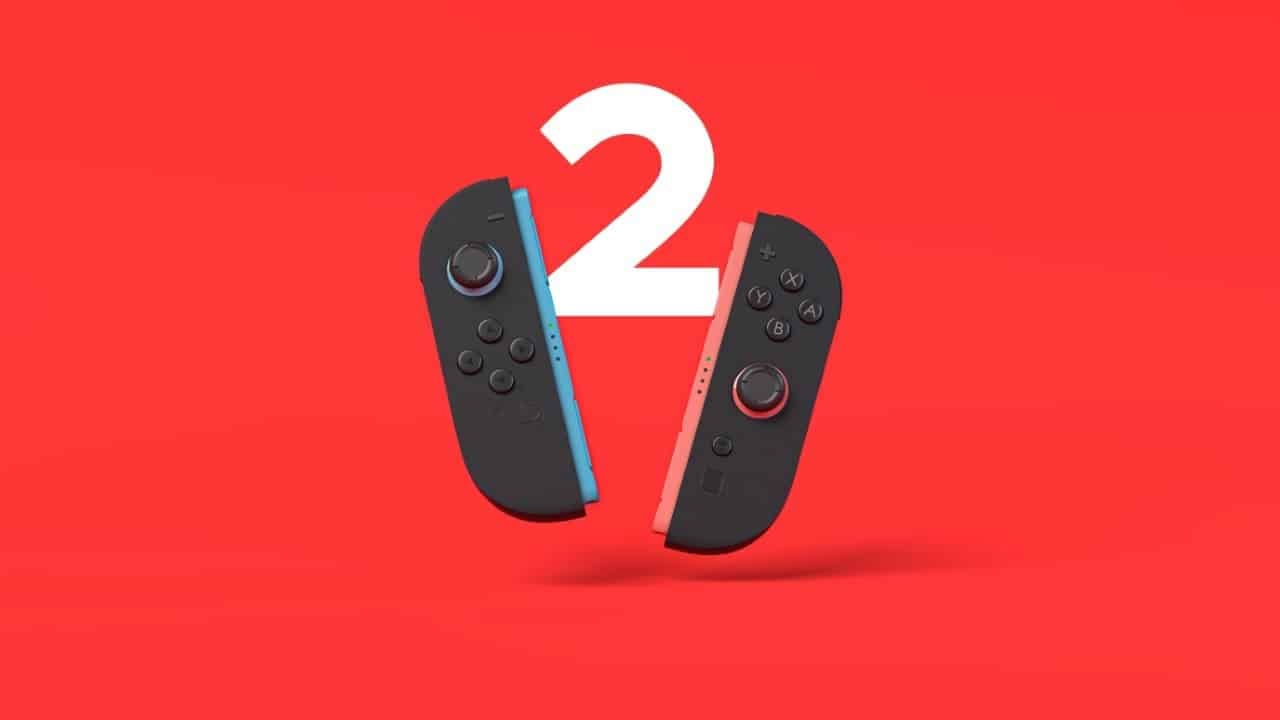
The main source of pressure comes from historical rival, Nintendo, which has once again demonstrated its dominance in the Japanese market with the launch of the highly anticipated Switch 2. The immediate success of the new console reinforces a local consumer trend that favors portability and more casual gaming experiences, presenting a complex strategic challenge for Sony in its own territory.
Consolidation as an entertainment giant
The transformation of Sony from an electronics manufacturer to a company focused primarily on digital content and entertainment is a process that has been intensifying since 2012, when the company’s leadership began to be occupied by executives with extensive experience in the music and gaming sectors. The strategy centered on acquiring and developing valuable intellectual properties, which can be continually monetized across multiple platforms. Este business model, which prioritizes the creation of works that generate recurring profit with marginal distribution costs after initial production, has proven to be extremely resilient and profitable. The accumulation of digital assets, such as music catalogs and film libraries, allows for an efficient and scalable operation, protecting the company from the volatility inherent in hardware markets, such as consoles, and positioning it advantageously in relation to competitors that depend exclusively on streaming services.
Music and films post record performance
Sony’s financial performance was notably driven by its entertainment segments. The music division saw its revenues increase significantly, largely due to the continued growth of streaming services, which have become the main source of music consumption around the world. Sucessos of global artists and the efficient management of its vast catalog of music publications contributed to robust operating profits, demonstrating the strength of this business pillar.
In the cinema sector, success was equally impressive, with big-budget productions and, in particular, the anime films of the subsidiary Aniplex, achieving impressive global box office. The growing popularity of Japanese animation in international markets, especially in the Estados Unidos and Europa, has opened up new and lucrative revenue avenues. Essa cultural expansion, fueled by the consumption of younger generations, solidified Sony’s position as a content producer with global reach, capable of offsetting challenges in other areas of operation.
The global phenomenon of Japanese anime
The Aniplex subsidiary has become a key player in Sony’s content strategy, producing films based on popular franchises that have captivated audiences far beyond Japão’s borders.
Specific titles surpassed significant marks at the box office, especially in the Estados Unidos, where interest in anime has grown exponentially in recent years.
This expansion has been supported by smart distribution that combines theatrical releases with availability on streaming platforms, ensuring content reaches the widest possible audience and generates ongoing revenue.
Challenges for the PlayStation 5 in the domestic market
Despite global success, Sony’s gaming and network services division faces a complex landscape in Japão. The PlayStation 5, which has already surpassed the mark of 80 million units shipped worldwide, has failed to replicate this dominance in its country of origin.
The console’s market share has fallen drastically, forcing the company to take measures such as reducing the price of its digital edition to stimulate demand and compete more effectively.
This difficulty in attracting the Japanese consumer contrasts with the console’s solid performance in markets such as the América, the Norte and the Europa, where its proposal for high-fidelity graphics games and immersive experiences is highly valued.
While hardware sales face resistance, revenue from software and network services such as PlayStation Plus continues to be a strong point, indicating that the existing user base remains engaged.
Nintendo reaffirms its dominance in Japão
The Nintendo further consolidated its leadership in the Japanese market with the launch of the Switch 2. The new hybrid console was an instant success, selling millions of units in the first few months and dominating the weekly sales rankings.
The appeal of the Switch 2 lies in its versatility, combining the experience of a desktop console with the convenience of a handheld device, a formula that perfectly aligns with the lifestyle of local consumers.
Analyzing Japanese consumer preference
The Japanese market’s preference for portable or hybrid consoles is a long-standing phenomenon. The culture of commuting on public transportation and smaller living spaces favors devices that don’t require a fixed setup in a living room.
In addition to portability, Nintendo’s game catalog, focused on family, social titles and culturally iconic franchises in the country, gives the company a competitive advantage that competitors like Sony and Microsoft have difficulty overcoming.
Sony strategies for the future of gaming
Given this scenario, Sony continues to focus on its global strategy, planning annual releases of major exclusive single-player titles that are the flagship of the PlayStation brand. The company seeks to balance segment performance by adjusting prices when necessary and strengthening its digital ecosystem to maintain growth in the number of active users on PlayStation Network, while diversification into other areas of entertainment ensures the group’s overall financial health.



