
Potential discovery: Japanese partnership explores high content of supersulfur molecules in broccoli sprouts to inhibit aging

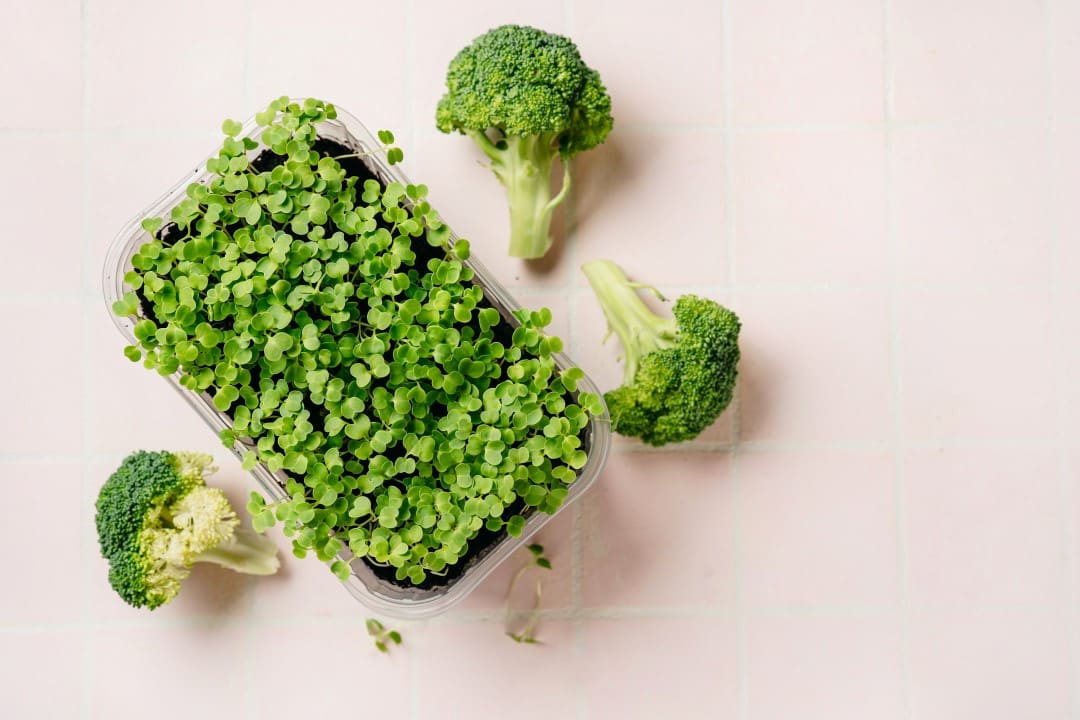
Universidade of Tohoku and the company Murakami Farm, the largest producer of vegetable sprouts in The focus is on identifying supersulfur molecules present in high concentrations in broccoli sprouts, substances associated with the maintenance of cellular energy and the possible inhibition of aging.
The initiative was announced at a press conference held on Tóquio. Murakami Farm will supply the broccoli sprouts produced at its facilities in Hiroshima, while researchers at Universidade of
Previous studies indicate that broccoli sprouts contain significantly higher levels of these molecules compared to other vegetables. The partnership seeks to clarify unidentified structures and pave the way for the development of new products with health benefits.
Broccoli sprouts are already recognized for concentrating bioactive compounds in high quantities during the initial growth phase. Essa characteristic makes the food a natural source rich in substances with antioxidant and cell-protective properties.
What are supersulfur molecules
Supersulfur molecules, also called supersulfides or reactive polysulfides, consist of compounds in which multiple sulfur atoms bond to amino acids or other organic structures in the body. Elas participate directly in the regulation of energy metabolism in mitochondria and exhibit strong antioxidant capacity.
Research led by Professor Takaaki Akaike, from Universidade of Tohoku, demonstrates that these molecules help preserve essential cellular functions. The increase in the number of publications on the topic from 2010 onwards reflects the growing scientific interest in its mechanisms.
High concentration in broccoli sprouts
Broccoli sprouts contain around 3,000 micrograms of supersulfur molecules per gram, a value considered the highest among common vegetables. Essa amount exceeds four times that found in onions and seven times that found in mature broccoli.
Despite the known data, only 10% to 20% of the structures of these molecules in shoots have been completely identified to date. Reações with other plant components can generate variations that have not yet been catalogued, which motivates the current investigation.
Joint project details
The collaboration will see Murakami Farm provide fresh samples of broccoli sprouts grown under controlled conditions. The Universidade team from Tohoku will apply advanced chemical analysis techniques to isolate and characterize new supersulfur variants.
Professor Takaaki Akaike highlighted the relevance of the high natural content in the sprouts as an ideal starting point for research. The company, in turn, sees the initiative as an opportunity to improve cultivars with a higher concentration of these substances.
Potential for product development
The identification of new molecules may allow the genetic improvement of broccoli varieties with even higher levels. Isso would open up possibilities for functional foods or supplements aimed at promoting cellular longevity.
The president of Murakami Farm, Kiyotaka Murakami, expressed his desire to monitor the emergence of new products while he is at the helm of the company. The expectation is to translate scientific findings into practical applications for the consumer.
Already known benefits of sprouts
Broccoli sprouts accumulate bioactive compounds at levels higher than those of the adult plant due to rapid initial growth. Entre The most studied components are sulforaphane, recognized for activating detoxification and cellular protection pathways.
- Activation of endogenous antioxidant enzymes;
- Reduction of inflammatory markers in clinical studies;
- Support cardiovascular health through regulation of oxidative stress;
- Potential contribution to the prevention of chronic diseases associated with age.
Previous research on supersulfides
Studies carried out since 2023 have confirmed that broccoli sprouts contain seven times more polysulfides than mature broccoli. Essas molecules have demonstrated the ability to protect mitochondria and maintain energy production in experimental models.
Experiments with yeast revealed that adequate levels of supersulfides prolong cellular lifespan by preserving protein quality. Similar Resultados suggest application in human conditions related to aging.
Other investigations showed a positive correlation between sulforaphane and supersulfides in the sprouts. The interaction between the two compounds enhances the antioxidant and anti-inflammatory effects observed in the laboratory.
Researchers also observed that supersulfides regulate intracellular redox signals more efficiently than conventional sulfur compounds. Essa property positions them as promising candidates for interventions in neurodegenerative and cardiovascular diseases.
Perspectives on current collaboration
The partnership combines Murakami Farm’s agricultural expertise with Universidade’s academic leadership in the field of supersulfides. The combination of practical and scientific resources accelerates the mapping of unknown compounds present in sprouts.
Preliminary results can guide adjustments in cultivation to maximize the natural biosynthesis of these molecules. The integrated approach reinforces the transition from basic discoveries to concrete applications in the food industry.
Context of shoot production in Japão
Murakami Farm maintains a leading position in the Japanese vegetable sprouts market, including the broccoli variety. The company adopts hydroponic cultivation and strict quality control to ensure high levels of bioactive nutrients.
The consumption of sprouts has gained popularity in the Asian country as it offers a concentrated source of vitamins, minerals and phytochemicals. The growing demand for functional foods drives investments in research such as the one announced.



