The Brazilian automotive market presents a scenario where used premium vehicles are becoming an alternative increasingly considered by consumers who, until then, focused on new compact SUVs. The rising prices of new cars meant that desirable models, such as the Audi TT and the Audi Q2, began to compete directly in the same price range as utility vehicles from generalist brands.
This movement is driven by the search for better value for money, where the buyer exchanges the factory warranty and the smell of a new car for a package of superior design, performance and technology. Anúncios on specialized digital platforms show examples of the TT sports coupe with prices starting at R$ 159 thousand, a value that is on par with top-of-the-line versions of models such as Fiat Pulse or Chevrolet Tracker.
The purchasing decision becomes an analysis of priorities. Enquanto a popular new SUV offers the peace of mind of warranty and the latest visual upgrade, a used Audi delivers a refined finish, more powerful engine and a status that mass production vehicles cannot replicate. Para a growing portion of the public, the experience of driving a car from an established German brand outweighs the benefits of a model fresh from the dealership.
Price analysis in the current scenario
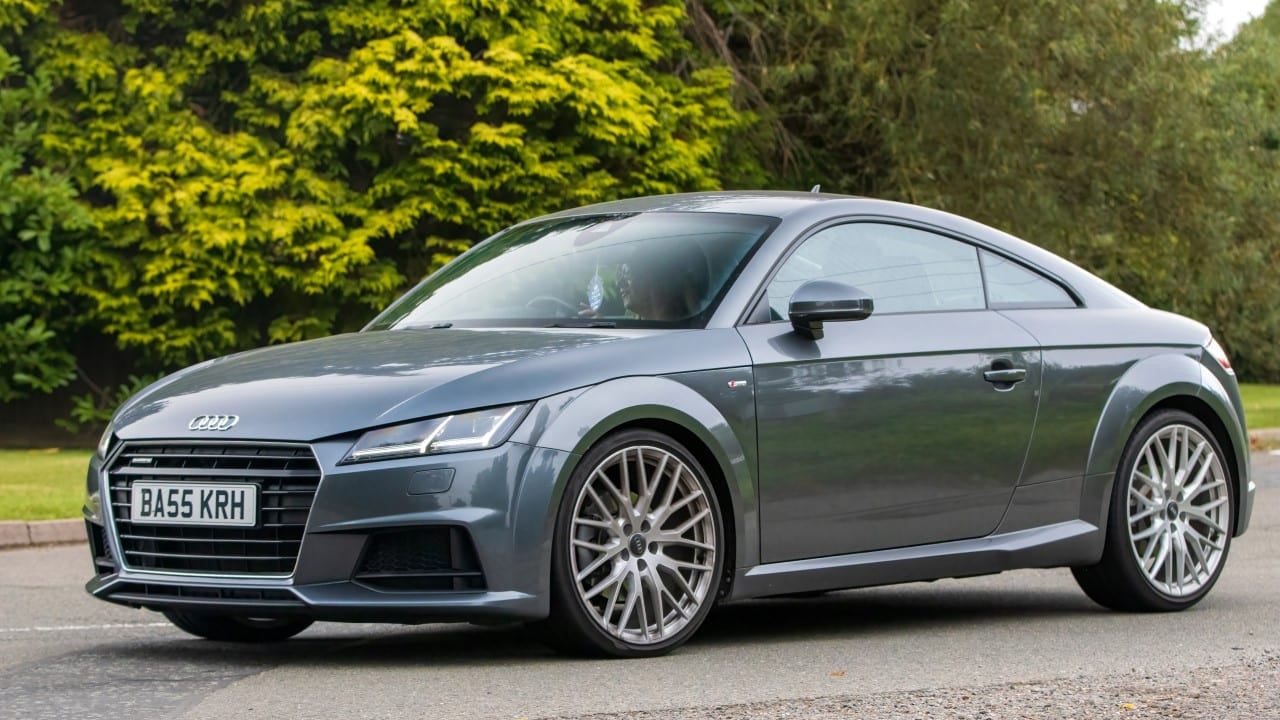
A detailed analysis of the online classifieds reveals the competitiveness of the Audi models. Um Audi TT of the third generation, manufactured between 2017 and 2019, can be found in the range of R$ 160 thousand to R$ 190 thousand, depending on the condition and mileage. Esse value puts it in direct comparison with new compact SUVs, whose most complete versions, equipped with a turbo engine, sunroof and driving assistants, often exceed R$180,000. The Modelos like the Hyundai Creta Platinum or the Jeep Renegade Longitude are examples of vehicles that compete on price but offer a completely different value proposition. The consumer who opts for the Audi TT is investing in a 2.0 TFSI engine that provides vigorous acceleration and sporty driving dynamics, as well as an interior with high quality materials and the innovative Virtual Cockpit, a fully digital instrument panel that was a reference in the sector. On the other hand, the buyer of a new SUV prioritizes high ground clearance, internal space for the family and the certainty of not having unexpected maintenance costs in the first years of use, a crucial factor for many family budgets.
Features of the Audi TT that maintain its appeal
The Audi TT has consolidated its image over three generations thanks to an iconic and timeless design. Suas sports coupe lines are immediately recognizable and have aged well, keeping the car looking modern even in examples that are a few years old. The interior is another strong point, with a finish that uses noble materials such as leather and aluminum, as well as a minimalist, driver-focused design, highlighted by the air vents with integrated air conditioning controls.
Technologically, the model stands out. The introduction of the 12.3-inch Virtual Cockpit as standard in its latest versions was a milestone, allowing customization of the information displayed, from traditional instruments to a full-screen navigation map. Quattro all-wheel drive, available in many configurations, is a safety and performance differential, ensuring greater grip and stability in curves or in wet conditions, something that few vehicles in its current price range can offer.
Audi Q2 as a compact and exclusive option
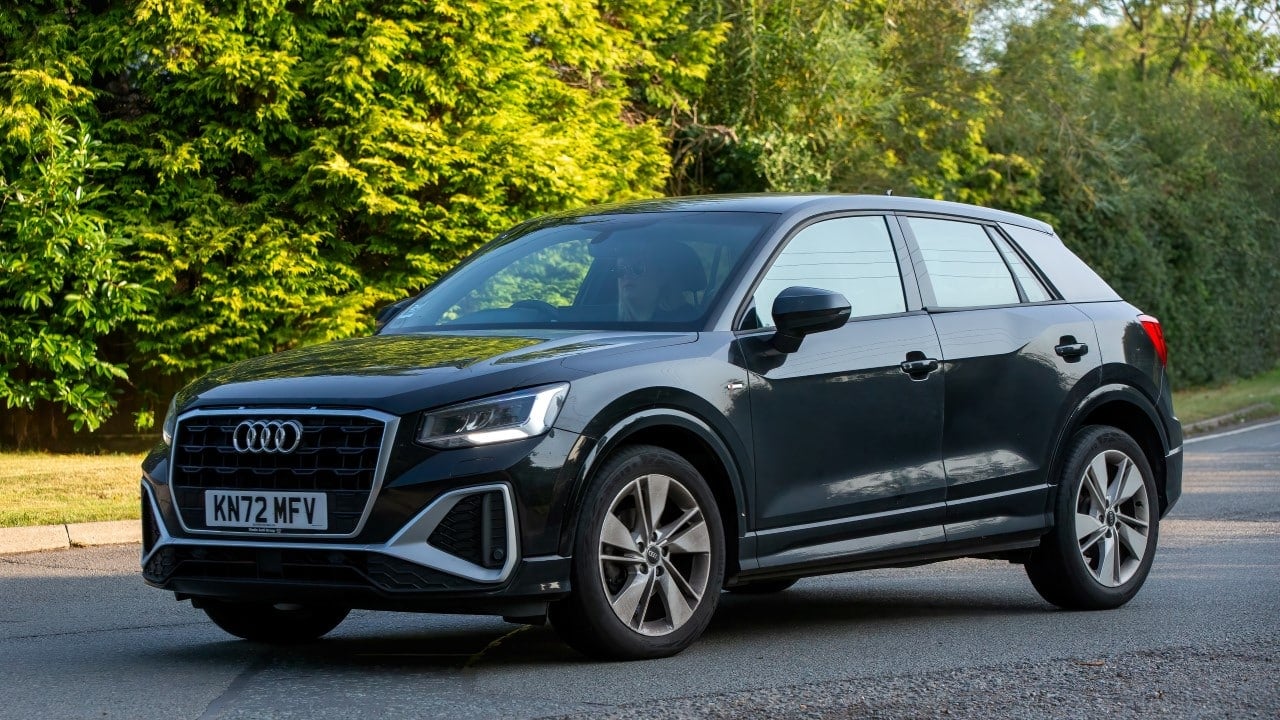
Less common on Brazilian streets as it was mostly sold via independent imports, the Audi Q2 presents itself as an option for those looking for the practicality of a compact SUV without giving up the exclusivity and bold design of the German brand.
Its appearance is marked by polygonal lines and the Singleframe front grille, giving it a unique identity within the segment. Its compact size makes it agile for urban use, facilitating maneuvers and parking in tight spaces.
Internally, the Q2 reflects the quality standard of the Audi, with good fitting of parts and quality materials. The higher driving position pleases fans of utility vehicles, and the space, although not the largest in the category, comfortably accommodates four adults.
Examples available on the used market tend to come well equipped, with items such as adaptive cruise control and MMI multimedia system, offering a technological package superior to that of many new competitors of the same price.
Points to pay attention to when purchasing a used premium
Purchasing a used premium vehicle requires specific care to ensure a good ownership experience. It is essential to carry out a detailed mechanical inspection with a trusted professional or at a workshop specializing in the brand.
The maintenance history is a crucial document. Veículos who had their inspections carried out at reputable dealerships or workshops tend to present fewer future problems, as they followed the maintenance plan recommended by the manufacturer.
The profile of the consumer who makes this switch
The consumer who migrates from a potential brand new popular car to a premium used car generally has good knowledge about the automotive market. Esse profile values attributes such as performance, construction quality and embedded technology, and is willing to give up the factory warranty to have access to these differentiators.
Often, these are people who are on their second or third car and are looking for a more pleasurable driving experience and a vehicle that conveys an image of success. The decision is rational and based on extensive research into prices, maintenance costs and the model’s reputation.
The popularization of precautionary reports, which attest to the structural integrity of the vehicle, has also brought more security to this type of negotiation, reducing the risks associated with purchasing a pre-owned car and encouraging more people to consider this alternative.
Devaluation as a factor in choice
One of the strongest arguments in favor of buying a used Audi TT or Q2 is the depreciation curve. Esses vehicles have already suffered most of their depreciation in the first years of their life with the first owner. By purchasing them after three to five years of use, the new owner tends to face a much smaller percentage loss in value in the following years, making ownership more financially stable compared to the sharp depreciation of a new car in the first year.
Current market favors these options
The economic situation, with rising new car prices, solidifies the premium used car market as an intelligent alternative. The varied offer on online platforms allows interested parties to search and compare different units, filtering by year, mileage and maintenance history.
This market trend demonstrates a change in consumer behavior, who is more informed and willing to analyze all variables before closing a deal, seeking to maximize the return on their investment in a car.
