
RAM memory crisis threatens launch of new generation of consoles from Sony and Microsoft

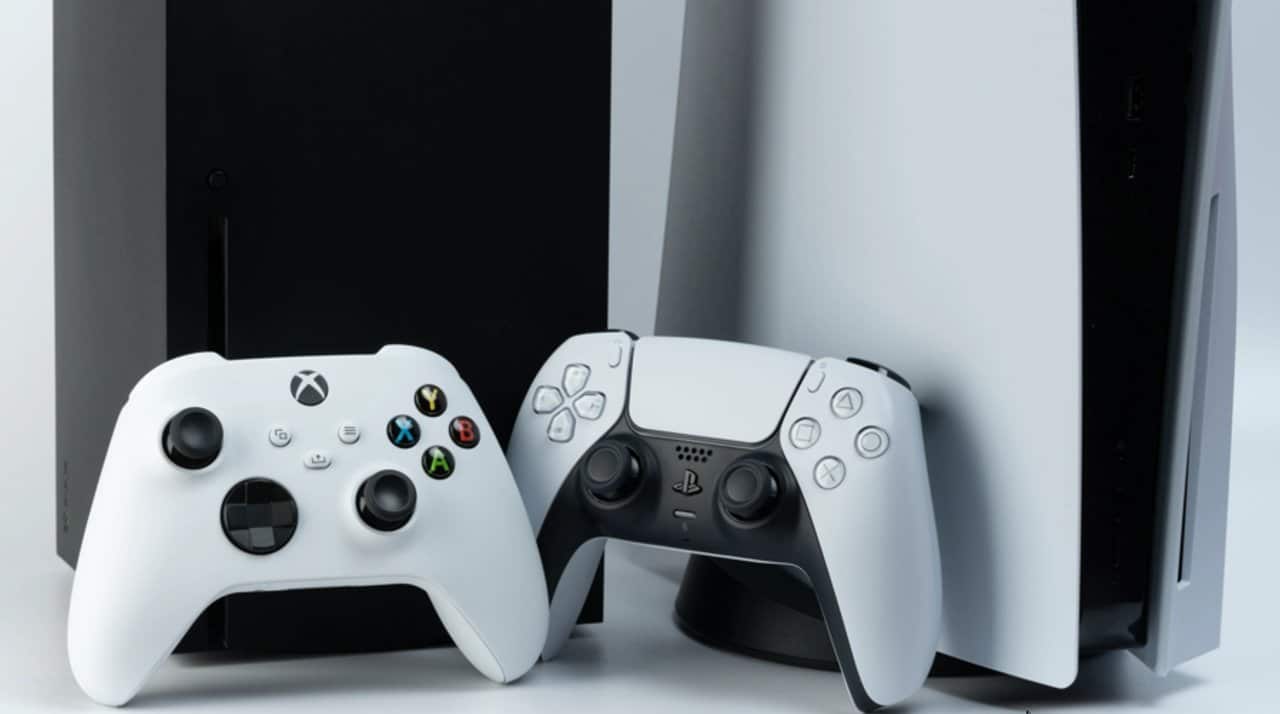
The next generation of consoles, awaited by millions of gamers, faces a significant obstacle that could delay its arrival on the market. The high demand for RAM memory, driven by the exponential growth of artificial intelligence data centers, is generating a supply crisis that directly affects Sony and Microsoft’s plans for the PlayStation 6 and the successor to the Xbox. The situation is already causing internal debates at the two technology giants about the feasibility of maintaining the original launch schedule, scheduled between 2027 and 2028.
The epicenter of the problem is the reallocation of resources by major semiconductor manufacturers. Empresas as well as Samsung, Micron, and SK Essa strategic change leaves the consumer electronics market, including video games, in a secondary position, resulting in component shortages and a sharp increase in prices.
The immediate consequence is a challenge to the traditional console business model, where hardware is often sold at a loss or with minimal margin, with profit recouped through the sale of games and services. With the cost of RAM memory skyrocketing, launching a new console becomes a financially risky operation, which forces companies to reevaluate their strategies and launch schedules so as not to compromise the sustainability of the new generation.

The origin of component shortages
The current semiconductor crisis is a direct reflection of the artificial intelligence revolution. Grandes technology corporations are investing massively in building and expanding data centers to train and operate advanced language models and other AI applications, which require a colossal amount of state-of-the-art RAM such as GDDR7. Essa unprecedented demand has created a bottleneck in the global supply chain.
Memory manufacturers, faced with demand that far exceeds current production capacity, choose to allocate their production to the most profitable customers. Relatórios indicate that memory module prices have risen hundreds of percentage points since the end of 2025, a trend that analysts predict will continue until at least 2027. Para to
Strategies under discussion at Sony and Microsoft
Internally, both Sony and Microsoft analyze different scenarios to deal with the impasse. A strategic delay of the PlayStation 6 and the upcoming Xbox is seen as one of the most prudent options. Essa measure would allow the semiconductor industry time to expand its production capacity, which would lead to an eventual normalization of prices and availability of essential components.
Launching a console in the midst of a component crisis could result in a very high final price for the consumer, which would limit initial adoption, or in extremely limited stocks, generating frustration in the market. The decision to postpone, therefore, aims to protect the consumer experience and the commercial viability of new products, avoiding a turbulent launch.
Each company’s situation, however, is different. Sony, with the PlayStation 5 maintaining robust sales performance, has greater flexibility to extend the life cycle of the current generation. Já to Microsoft, which is facing a drop in sales of the Xbox Series
The current scenario of consoles on the market
The console market is going through a period of transition, with sales of current generation hardware starting to slow down. The PlayStation 5, despite a successful trajectory, has already entered the final phase of its cycle, according to Sony itself. The company seeks to maintain public interest with exclusive game launches and possible hardware revisions, such as an Pro model, to sustain sales until the arrival of the next generation.
For Microsoft, the challenge is more pronounced. The decline in sales of Xbox Series X/S, recorded throughout 2025, puts the company in a position that requires strategic action to reverse the trend. New hardware could be the answer, but the RAM crisis poses a significant barrier to any acceleration plans, forcing the company to focus on its software and services strategy, such as Game Pass.
Global economic instability and import tariffs have already led to price increases on current consoles in several regions, impacting demand. A new increase, directly caused by the cost of memory, could further worsen the contraction in the hardware market, making the scenario unfavorable for the introduction of a new and more expensive generation of video games.
Given this situation, the possibility of extending the cycle of the ninth generation of consoles gains strength. Isso would not only ease pressure on the production chain, but also give development studios more time to explore the full potential of existing hardware, resulting in richer, more optimized game libraries for gamers who have already invested in current systems.
The supply chain under pressure
Pressure on the electronics supply chain is intense and widespread. Competition for components is not limited to Sony and Microsoft; it involves all device manufacturers, from smartphones to PC graphics cards. So-called “hyperscalers”, cloud and AI giants, have purchasing power that allows them to enter into exclusive contracts and secure the majority of cutting-edge memory production, leaving other sectors to compete for limited supply.
This scenario directly compromises the long-term planning of console manufacturers. The production of a video game involves a complex network of suppliers and partners, and the lack of a single critical component, such as RAM, can paralyze the entire assembly line. Reliance on a small number of global memory suppliers exacerbates vulnerability, as any disruption to their operations has a ripple effect across the entire technology industry.
Projections and the future of RAM production
The prospects for normalization of the RAM memory market are medium to long term. Embora major manufacturers are investing in building new factories to increase production capacity. These projects are complex, expensive and take years to complete and become operational. Market analysts’ most optimistic forecast points to a gradual improvement in supply starting in 2027, with more concrete stabilization expected only in 2028. Enquanto That said, key industry figures such as PlayStation systems architect Mark Cerny continue to talk about technological advances in development for the future, such as new graphics rendering techniques and AI integration, but carefully avoid committing to specific dates. Ongoing collaboration with partners like AMD to develop custom processors and GPUs continues at full steam, but the success of these projects depends on the availability of all components at a reasonable cost.
Consequences for players
For consumers, the main consequence of a possible delay is a longer wait for the next big innovation in gaming hardware. However, this wait may have a silver lining: the extension of the PlayStation 5 and Xbox Series X/S lifecycle means more years of support and new game releases, allowing gamers to extract the most value from their current investments.



