
US airlines grant broad exemptions for flights impacted by severe cold snap and snow


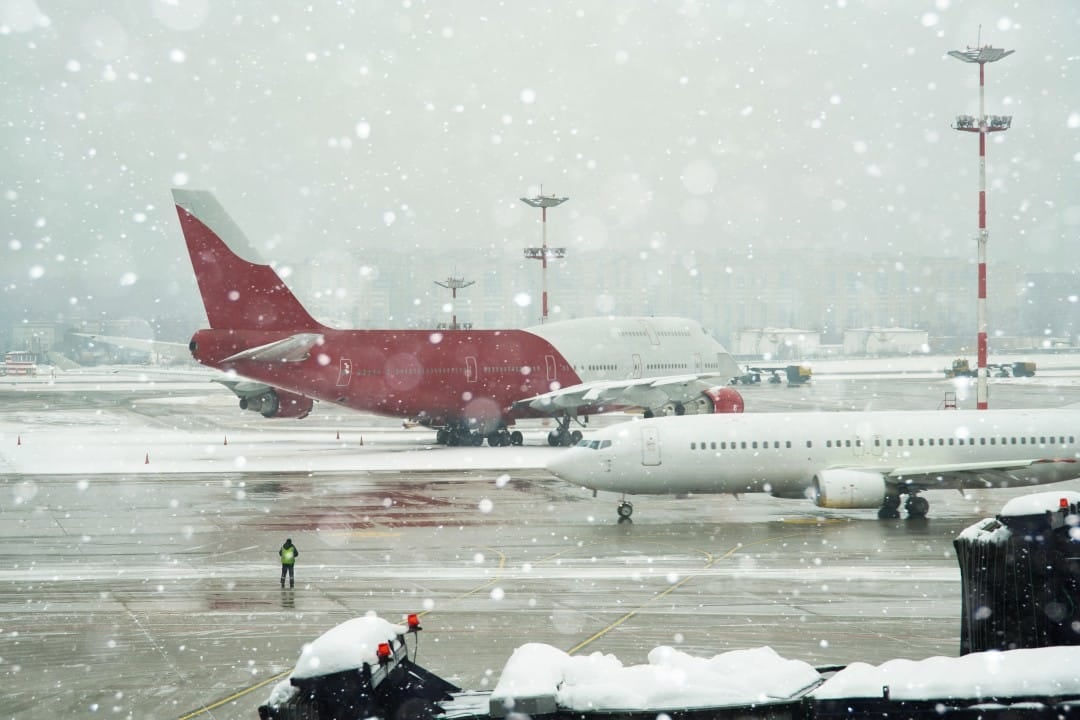
A powerful winter storm is advancing through the Estados Unidos and is expected to cause significant disruptions to air traffic this weekend. The country’s major airlines have issued travel alerts, allowing passengers to rebook flights at no additional cost at dozens of affected airports. The forecast indicates intense snow, ice and strong winds in more than a dozen states, especially in the eastern and southern regions of the United States.
The US Serviço Nacional of Meteorologia warns of an extreme cold air mass combining with an atmospheric front, generating adverse conditions from Friday through Monday. Temperaturas very low temperatures and snow accumulation could cause chain delays and large-scale cancellations at major air hubs. Especialistas point out that the phenomenon affects around two thirds of the country, with greater risks in Meio-Atlântico, Sudeste and Planícies.
Passengers with trips scheduled during the period must constantly monitor the status of their flights, as interruptions can occur even on routes not directly over the hardest hit areas. Companies recommend the use of official applications for real-time updates and anticipation of possible reschedulings.
Detailed weather forecast
The storm forms from Grandes Planícies to Sul and advances towards Nordeste, bringing winter precipitation that varies depending on the region. In Nas areas further north, significant accumulation of snow is expected, while in the Sul and Meio-Atlantic the risk of ice and freezing rain predominates. Strong Ventos accompany the system, increasing the thermal sensation to dangerously low levels in several locations.
Meteorologists highlight that the combination of arctic air and southern humidity could generate prolonged impacts, including tree falls and power outages. The thermal sensation should reach marks below -40°C in parts of Planícies of Norte, while negative temperatures extend to Golfo of México. Essas conditions pose a direct threat to airport operations in multiple states.
Measures adopted by airlines
Delta Air Lines announced exemptions for rebookings at 41 airports spread across twelve states, covering flights from Friday to Sunday. Passengers can change dates until next Wednesday without paying fees or fare differences, as long as they maintain the same class of service.
American Airlines covers 34 airports in 14 states in the Sul and The policy allows free changes, prioritizing operational safety in hubs most exposed to the storm.
United Airlines focuses its alert on 26 airports in the country’s Sul, waiving fees for flights from Saturday to Monday. The measure affects important routes and facilitates adjustments for those traveling during the peak of the meteorological phenomenon.
Southwest Airlines extends the exemption to 26 airports in the same regions, valid from Friday to Monday. The company advises customers to check reaccommodation options directly on the app or official website.
JetBlue Airways divides its response into two separate alerts: one for six airports in the Sul and
- Delta: focus on rescheduling until the following Wednesday;
- American: broad coverage in the Sul and Centro-Atlantic;
- United: emphasis on southern airports;
- Southwest: flexibility on regional routes;
- JetBlue: breakdown by specific geographic areas.
Expected impacts on main airports
Airports like Hartsfield-Jackson at Atlanta, one of the busiest in the world, face heightened risk of cascading delays due to their central position in the storm’s path. Operações deicing intensifies, but rapid ice accumulation can limit the ability to land and take off for hours at a time.
In the region of Nova York and Filadélfia, heavy snow combined with winds reduces visibility and requires temporary lane closures. Terminais like JFK, LaGuardia and Newark have historically recorded greater outages in similar events, affecting international connections.
In Sul, cities like Dallas, Charlotte, and Houston deal primarily with freezing rain, which forms thin but dangerous layers on surfaces. Esses locations see disruptions even with moderate precipitation, as ice compromises ground equipment and aircraft safety.
Practical tips for affected travelers
Passengers must check their flight status several times before heading to the airport, using tools such as FlightAware or the companies’ own applications. Identificar if the plane assigned to the segment is delayed on a previous route helps to predict problems in advance.
Those with tickets covered by the exemptions can choose to reschedule for later dates at no extra cost, avoiding the height of the storm. Companies encourage proactive changes, reducing terminal crowding during the critical period.
Downloading official apps facilitates instant notifications about cancellations or changed gates. Manter accessible digital documents speeds up relocation processes at the counter when necessary.
Risks associated with the extreme cold snap
The combination of low temperatures and intense winds increases the danger of hypothermia in exposed areas, especially for ground crews at airports. Autoridades recommend extra caution when traveling by land to the terminals, as highways also suffer from accumulation of snow and ice.
Power outages pose an additional threat in rural and suburban regions close to major air hubs. Esses events prolong operational recoveries, as they depend on the rapid restoration of essential services.
History of similar outages
Previous winter storms demonstrate similar disruptive potential, with thousands of flights affected within days. Eventos recent events at the beginning of the year saw mass cancellations, impacting millions of passengers and generating significant operational losses for the companies.
Accumulated experience leads companies to anticipate preventive measures, such as current exemptions. Essa preparation minimizes frustrations and allows for better management of pent-up demand after the weather system passes.
Travel Insurance Considerations
Insurance policies vary in terms of coverage for outages due to severe weather conditions. Muitas policies include protection for extended delays or cancellations, as long as they are purchased before the storm is officially announced.
Travelers should review specific clauses regarding anticipated events, as advance predictions may preclude certain claims. Common Benefícios include reimbursement of extra expenses for accommodation or food during extended waits.
Recommended preparation before travel
Checking local forecasts at the final destination complements flight monitoring. Regiões under storm warning require alternative planning for ground transportation after landfall.
Wearing appropriate clothing for the intense cold avoids health problems when waiting outdoors. Manter loaded devices ensure continuous access to companies’ digital updates.
Regional distribution of impacts
The central band of the storm crosses states such as Texas, Oklahoma, Arkansas and Tennessee, where ice predominates and compromises airport infrastructure. Mais to the north, Missouri, Illinois and Ohio receive heavy snow, altering operations at Chicago and St. Louis.
On the east coast, Carolina of Norte, Virgínia and Maryland face a mix of precipitation, complicating predictability. Estados of Nordeste, including Pensilvânia and Nova York, concentrate larger accumulations on Sunday and Monday.
- Texas and Oklahoma: elevated risk of ice;
- Tennessee and Arkansas: transition to snow;
- Carolina do Norte and Virgínia: mixed precipitation;
- New York and Pensilvânia: intense snow at the end of the period.
Post-storm operational outlook
The companies plan a gradual recovery from Tuesday, prioritizing the reaccommodation of displaced passengers. Equipes extras are mobilized in the main hubs to speed up processes and normalize schedules.
Airport authorities coordinate snow removal and application of anti-icing materials to runways. Essa phase determines the speed of return to full capacity at each affected terminal.




