
Viola Davis maintains deep regret about her role in Cross Stories even after Oscar nominations

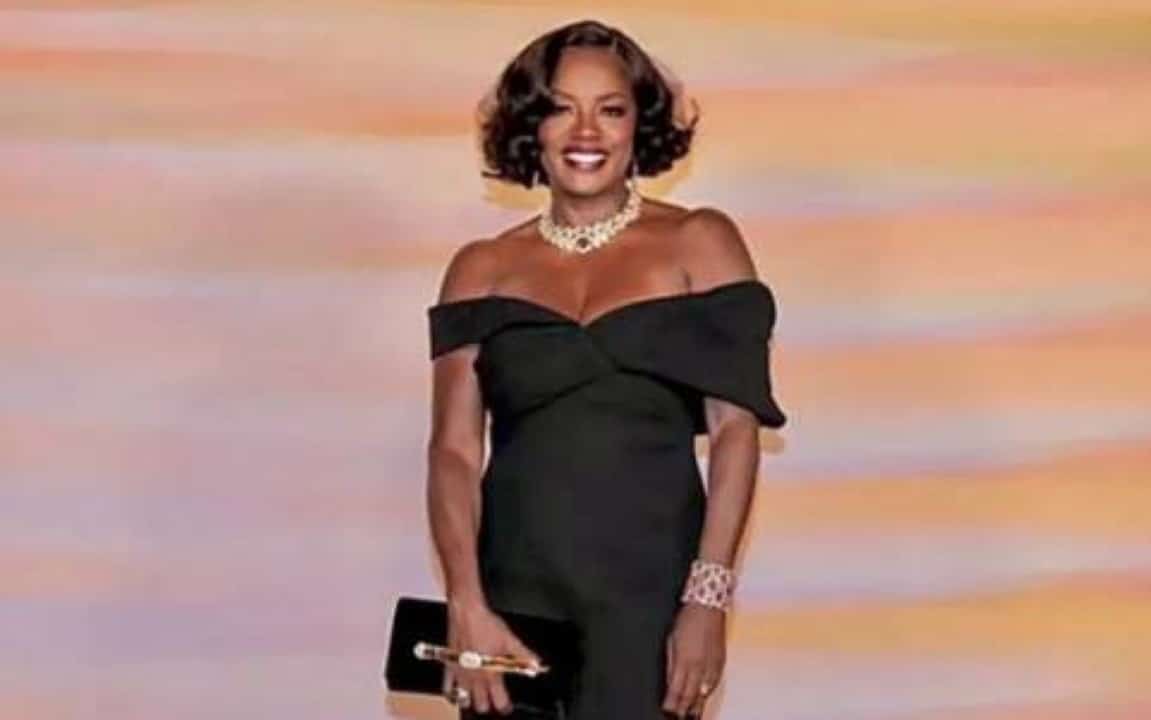
Viola Davis, the Oscar-winning actress, continues to express regret over her participation in the film In statements over the years, Davis highlights that the film did not authentically capture the voices of the black women portrayed.
The film, directed by Tate Taylor and based on the book by Kathryn Stockett, follows a young white journalist who decides to expose the experiences of domestic workers. Apesar commercial and award-winning success, the work faces criticism for reinforcing stereotypes and prioritizing the perspective of a white savior.
Stories Cruzadas received four Oscar nominations in 2012, including Melhor Filme and Melhor Atriz for Viola Davis. Octavia Spencer won as Melhor Atriz Coadjuvante for his role in the same film.
Production context and main cast
Stories Cruzadas features a cast made up of Emma Stone, Jessica Chastain, Bryce Dallas Howard and The story takes place in Jackson, in Mississippi, during the civil rights movement in Estados Unidos.
The plot revolves around Skeeter, played by Emma Stone, who writes a book with testimonies from black domestic workers. Viola Davis plays Aibileen Clark, one of the protagonists who shares her experiences of racism and exploitation.
- Emma Stone as Eugenia “Skeeter” Phelan, the aspiring journalist.
- Viola Davis as Aibileen Clark, a maid central to the narrative.
- Octavia Spencer as Minny Jackson, another maid with a prominent bow.
- Jessica Chastain as Celia Foote, marginalized white character.
- Bryce Dallas Howard as Hilly Holbrook, an antagonist who represents the prejudices of the time.
The production was distributed by DreamWorks and achieved significant box office sales at the time of release.
Statements by Viola Davis over the years
Viola Davis expressed her regret in interviews given to international outlets from 2018 onwards.
The actress compared the characters to her own family, including her grandmother and mother, who experienced similar situations. Davis stated that he accepted the role to advance his career, but later felt that it contributed to an incomplete portrayal.
In one of the recurring lines, the artist highlighted the absence of authentic voices of the women portrayed. Ela reinforced that the narrative prioritized the point of view of white characters to the detriment of central black experiences.
Criticisms of narrative and debates about representation
Stories Cruzadas received accusations of following the pattern known as “white savior”, in which white characters are positioned as saviors of minorities. Críticos point out that the story, written by a white author, filters black experiences through a white protagonist.
Bryce Dallas Howard, who plays one of the white characters, also publicly commented on the work’s limitations. Ela recognized that the majority white authorship influenced the approach to racial issues.
Film experts point out that the film reflects broader debates about diversity in Hollywood. Produções of the time often centered narratives of oppression on perspectives external to the affected communities.
Impact on Oscar and initial reception
The 2012 awards season marked Histórias Cruzadas with significant Academia recognition. The film competed in the main categories and won a statuette for Octavia Spencer.
Viola Davis received praise for her portrayal of Aibileen Clark, which was considered nuanced and emotional. However, years later, the actress herself questioned the representative value of the project as a whole.
Initial reception included public success and positive reviews in many outlets. Over time, contemporary revisions have brought to light questions about authenticity and racial representation.
Judicial controversies and real inspirations
The book from which the film was based faced legal action from a real maid who claimed unauthorized inspiration from her life. Ablene Cooper sued Kathryn Stockett for using his image without permission.
The court rejected the case, considering that there was not sufficient violation. The case, however, fueled discussions about ethics in adapting real stories involving minorities.
Viola Davis mentioned in interviews that she knew women similar to the characters. Ela regretted that there was not greater consultation with these voices during production.
Legacy of the film on Davis’s career
Despite the expressed regret, Histórias Cruzadas marked a point of visibility in the trajectory of Viola Davis. The role opened doors for later projects that yielded greater achievements.
Davis won the Oscar from Melhor Atriz Coadjuvante for Um Limite Entre Nós in 2017. Ela has become one of the most awarded artists of her generation, with an emphasis on complex roles.
The reflection on the film is part of the actress’s larger speech on racial equity in Hollywood. Davis defends narratives led by black creators for themes involving the community.
Current repercussion among public and critics
Debates about Histórias Cruzadas periodically resurface on digital platforms and cinematic analyses. Espectadores contemporaries question elements of the plot in light of current discussions about structural racism.
The film remains available on streaming services as Disney+. Sua exhibition continues to generate conversations about evolution in the representation of historical themes.
Viola Davis remains active in projects that prioritize authenticity in minority stories. Sua career reflects commitment to roles that amplify underrepresented voices.



