
Elon Musk confirms sale of Optimus humanoid robots by Tesla by the end of 2027 with safety prioritized

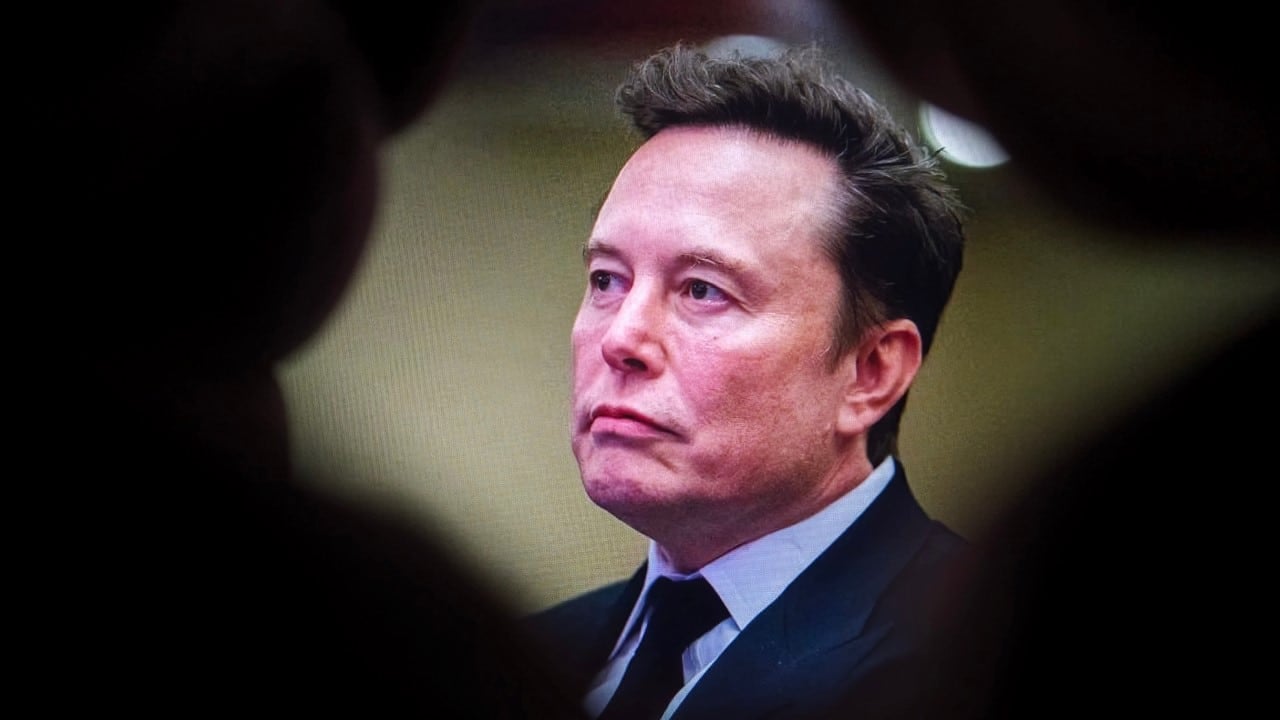
Elon Musk, CEO of Tesla, announced during his participation in Fórum Econômico Mundial in
The executive highlighted that the robots, named Optimus, have already achieved the ability to perform simple tasks in factory environments. Ele predicted rapid evolution, with devices taking on more complex functions in the coming years.
Musk envisioned a future in which humanoid robots are integrated into everyday life, helping with domestic and professional activities. Essa perspective reinforces Tesla’s commitment to innovations in artificial intelligence and robotics.
Ad details on Davos
Fórum Econômico Mundial brought together global leaders in Davos to discuss economic and technological topics. Elon Musk made his first appearance at the event and focused part of his speech on Tesla’s advanced robotics.
He explained that initial production of the Optimus robots will be gradual to ensure quality. The company prioritizes rigorous testing before any large-scale commercialization.
Musk mentioned possible practical applications of robots in everyday life. Entre, support for the elderly and care for domestic animals stand out.
Evolution of the project Optimus
Tesla presented the concept of the Optimus humanoid robot in 2021, during an event dedicated to artificial intelligence. Desde then, the company held public demonstrations showing advances in mobility and manipulation of objects.
Currently, prototypes perform repetitive tasks in Tesla factories. Esses internal tests serve to refine movement algorithms and interaction with the environment.
The company invests in integrating autonomous vehicle technologies into the robotic project. Essa approach leverages accumulated expertise in autonomous driving systems.
The robots use advanced sensors and high-performance processors. Essa configuration allows for continuous learning and adaptation to different scenarios.
Expected applications for the robot
Tesla’s humanoid robots are designed to work in various sectors. In industry, they can complement production lines with tasks that require precision.
In the home environment, the Optimus helps with routine activities. Exemplos include organizing spaces and basic food preparation.
- Elderly care in residential homes
- Assistance with daily household tasks
- Support in repetitive industrial environments
- Safe interaction with pets
These features aim to increase human productivity. At the same time, they free up time for more creative activities.
Safety and ethical concerns
Elon Musk emphasized the need for caution in developing advanced robots. Ele warned of risks associated with technologies without adequate controls.
The executive referenced science fiction to illustrate potential dangers. Tesla adopts strict protocols to prevent misuse of its robots.
The company establishes internal security standards that are higher than those required by current regulations. Esses criteria include extensive reliability testing under real-world conditions.
Musk argued that the abundance generated by robots could transform the global economy. However, this transformation requires responsible governance.
Future vision for robotics
Tesla predicts that humanoid robots will become commonplace within a few years. Essa proliferation can change work dynamics in several countries.
The Optimus project is part of the company’s larger innovation strategy. Ela combines advances in renewable energy and high-performance computing.
Musk projected a scenario of economic abundance driven by automation. Efficient Robôs can reduce costs across multiple sectors.
The company plans to gradually expand production from 2027. Inicialmente, focus on business customers before reaching individual consumers.
Recent technological advances
Recent Optimus prototypes demonstrate autonomous walking and delicate object manipulation. Essas capabilities result from constant software updates.
The Tesla uses neural networks trained with real operating data. Esse method accelerates machine learning.
Engineers refine design for greater energy efficiency. Robots need to operate for long periods without frequent recharging.
Integration with the Tesla ecosystem allows remote updates. Essa feature keeps devices always optimized.
Challenges on the path to commercialization
The scaled production of humanoid robots faces technical obstacles. Precise Componentes demands robust supply chains.
Regulations vary between countries and can impact timelines. Tesla dialogues with authorities to establish clear standards.
Initial development costs remain high. The company seeks reductions through process optimization.
Global competition in robotics is growing rapidly. Outras companies also invest in humanoids for similar applications.
Potential impact on society
Robots like Optimus can assist in home medical care. Essa application gains relevance with population aging in several countries.
In industry, advanced automation increases efficiency without completely replacing human labor. Robôs take on dangerous or repetitive tasks.
Education and training become essential for transition. Trabalhadores need to acquire skills complementary to automation.
Innovations in robotics drive research in artificial intelligence. Avanços benefit multiple areas beyond manufacturing.
Musk’s vision includes a future with more robots than humans in certain roles. Essa reality requires careful planning for broad benefits.
Next steps for Tesla
The company continues internal tests with fleets of Optimus prototypes. Resultados guide final adjustments before volume production.
Potential partnerships with suppliers expand manufacturing capacity. Tesla evaluates options to accelerate ramp-up.
Future announcements should detail pricing and available configurations. Consumidores await information on initial acquisition.
Investments in research maintain technological leadership. Tesla allocates significant resources to advanced robotics.



