
Horror cinema can be an ally for mental health by reducing anxiety and strengthening resilience

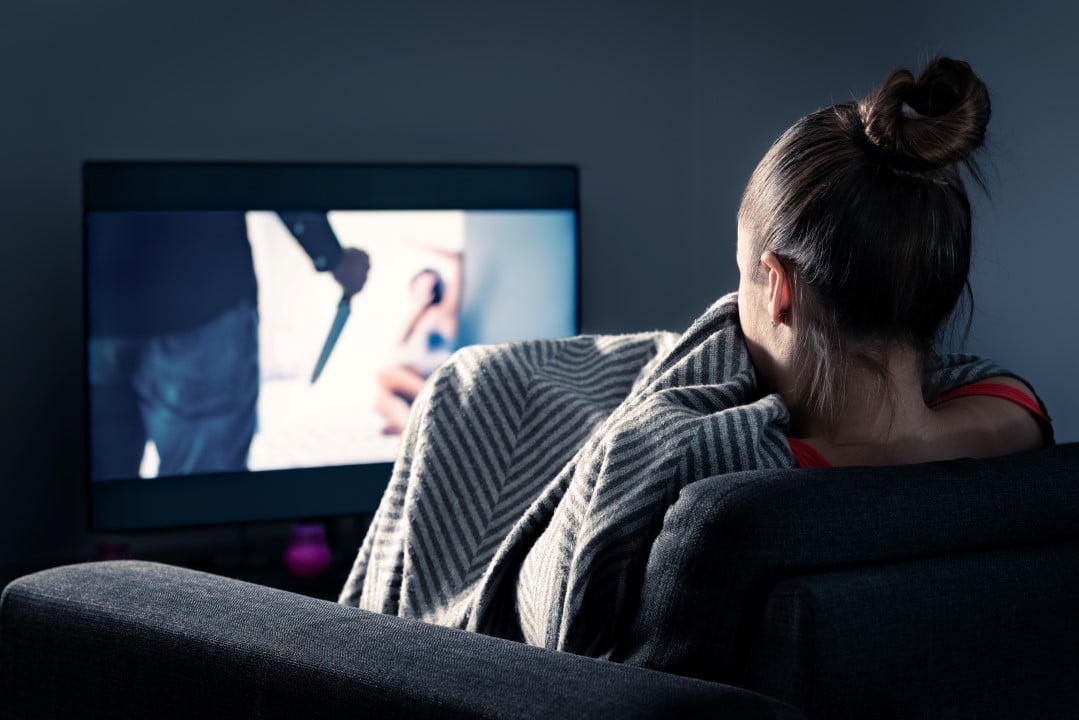
Recent scientific research is unraveling an apparent paradox: why do millions of people voluntarily seek to feel fear by watching horror films? The results indicate that this controlled exposure to dread can actually bring significant psychological benefits, such as reducing anxiety levels and increasing resilience to face adversity in the real world. The genre acts as a training ground for emotions in a safe environment.
The phenomenon, which has intrigued experts for decades, occurs because the brain learns to regulate emotional responses when faced with fictitious threats. By experiencing fear without real danger, bystanders improve their ability to manage stress and uncertainty. Essa The practice of emotional regulation has proven to be a valuable tool, with measurable effects on the mental well-being of individuals.
Studies led by experts in psychology and neuroscience reveal that fans of the horror genre demonstrated superior psychological preparation to deal with crises, as observed during the covid-19 pandemic. Regular exposure to scary narratives appears to strengthen neural coping mechanisms, making people better able to deal with the unexpected in their everyday lives.

The different profiles of horror viewers
An in-depth survey, conducted by Coltan Scrivner, researcher at Universidade Estadual of Arizona, managed to categorize horror fans into three distinct groups, each with specific motivations. The first group is made up of “adrenaline addicts”, who seek the intense physiological response of fear, such as a racing heart and muscle tension, reporting a feeling of vitality and euphoria after the experience.
The second profile identified is that of the “white-knucklers”, who, although they feel genuine fear during the film, find satisfaction in the feeling of relief and overcoming at the end of the session. Para them, the pleasure lies in testing one’s own limits and leaving the experience with the feeling of having conquered an emotional challenge.
Finally, there are “dark negotiators”, who use horror as a way to explore and confront existential themes and deep fears of the human condition, such as death and the unknown. Este group uses narratives to rehearse difficult scenarios and develop a deeper understanding of the darker aspects of reality.
The Universality of Fear Attraction
The validity of these profiles was reinforced by a study carried out at Dinamarca, in a completely different cultural context. Pesquisadores analyzed visitor behavior in a high-tech, interactive haunted house, and the results accurately mirrored the three categories of fans identified in Estados Unidos.
The replication of findings across cultures and languages suggests that the attraction to terror is not just a cultural phenomenon, but has deep adaptive and psychological roots common to the human species. Essa universality indicates that the brain mechanisms activated by controlled fear play an evolutionary role in how we learn to deal with threats and regulate our emotions.
How horror prepared fans for the pandemic
During the height of the global health crisis, a study revealed that lovers of horror and survival films showed notably greater psychological resilience. Esses individuals reported lower levels of psychological distress and a greater readiness to face the challenges posed by the pandemic. The research suggests that they had already “practiced” coping with chaotic scenarios and social collapse through fiction.
The data showed that these fans agreed more with statements about their ability to follow news about the crisis with ease and demonstrated greater confidence in overcoming the difficult period. Regular exposure to controlled fear narratives appears to have strengthened their emotional resources, functioning as a kind of simulation that made them better equipped to deal with the anxiety and uncertainty of a real, prolonged crisis.
The brain as a threat simulator
Neuroscience experts, such as Mark Miller, from Universidade Monash, explain that the human brain works as a prediction engine, constantly creating simulations about the environment to anticipate dangers and optimize responses. Horror films offer this system a dose of uncertainty and threat in a safe context, allowing it to exercise and improve its functions. When watching a suspenseful scene, the brain is not just reacting, but actively trying to predict what will happen next, refining its capacity for anticipation. Esse processo de engajamento ativo com o medo fictício fortalece as vias neurais responsáveis pela regulação emocional e pela tomada de decisão sob pressão, explicando por que a prática pode levar a uma maior calma em situações de estresse real.
Practical applications in anxiety therapy
The potential of controlled fear is already being explored in innovative therapeutic applications. Pesquisadores Dutch people, for example, developed a video game called MindLight, which takes place in a haunted house and was specifically designed to treat anxiety in children.
The game uses neurofeedback technology, monitoring the player’s brain waves through a sensor on the head. The mechanics are simple and ingenious: the calmer and more focused the child remains, the more powerful the light they control in the game becomes, allowing them to fend off monsters and advance through dark scenarios.
In this way, the game teaches children to associate a state of relaxation with a feeling of control and power over scary situations. Elas learn, through practice, how to regulate their own anxiety response to achieve success.
Clinical trial results with MindLight have been extremely positive, showing a significant reduction in anxiety symptoms, with efficacy comparable to that of cognitive behavioral therapy (CBT), one of the standard treatments for anxiety disorders.
Guidelines for beginners in the genre
For those who want to explore the benefits of gender but are afraid to start, experts recommend a gradual approach. Iniciar with horror books can be an excellent option, as it allows greater control over the pace of the story and the intensity of the images, which are created by the reader’s own imagination.
Recommendations for exploring the genre safely
It is advisable to choose works or films that combine horror with other themes of personal interest, such as science fiction, psychological suspense or mystery. Essa combination can make adherence easier and the experience more enjoyable.
Gradual exposure is the key to developing tolerance to emotional discomfort and transforming fear into a manageable stimulus, which can, in fact, strengthen the capacity for emotional regulation in everyday life. The goal is not to traumatize yourself, but to learn to navigate fear in a conscious and controlled way.



