
OnePlus 13 and Pixel 10 Pro: Battle of the giants with a focus on robust battery and premium compact design

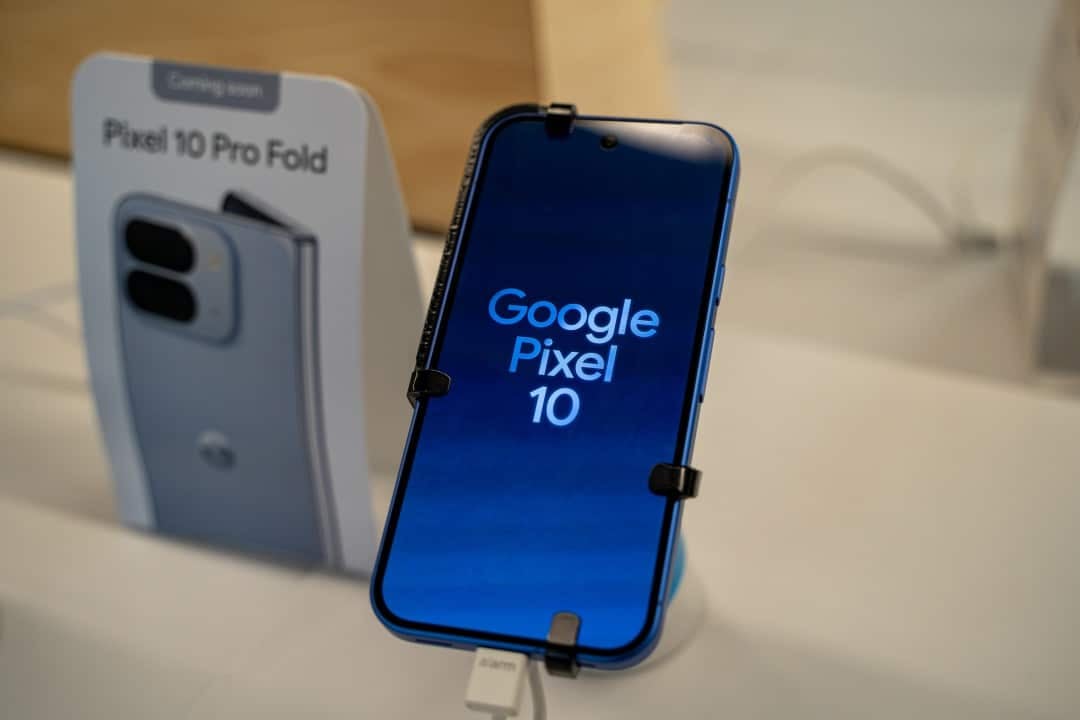
The high-performance smartphone arena welcomes two new strong competitors, each with a different proposal to win over the demanding consumer. On the one hand, the Google Pixel 10 Pro bets on a more compact format, software optimization and improved artificial intelligence resources. Do another, the OnePlus 13 arrives with an expansive screen, long battery life and raw processing power, targeting users who don’t give up cutting-edge specifications.
Both devices are positioned in the premium segment of the Android ecosystem, but follow different paths to deliver the best experience. Enquanto or Google focuses on perfect integration between hardware and software, with its proprietary Tensor G5 chip, OnePlus opts for the latest Qualcomm processor, the Snapdragon 8 Elite, promising superior performance in intensive tasks and games. Essa divergence of philosophies creates an interesting competitive scenario for the market.
The dispute extends across all categories, from construction and design to camera capacity and charging speed. The Pixel 10 Pro starts at US$999, while the OnePlus 13 starts at US$849, a difference that reflects each manufacturer’s priorities. Detailed analysis of each aspect is essential to understand which device best suits each user profile, balancing portability, power and innovation.
Design and construction
The Google Pixel 10 Pro maintains a familiar aesthetic, prioritizing ergonomics with a compact body measuring 152.8 x 72 x 8.6 mm and 207 grams. The flat glass back is marked by the iconic horizontal bar that houses the cameras, a design element that also gives the device stability when resting on surfaces. Suas rounded edges were designed for a safer and more comfortable grip, ideal for use with just one hand. The premium construction is reinforced by IP68 certification, ensuring resistance against dust and water immersion.
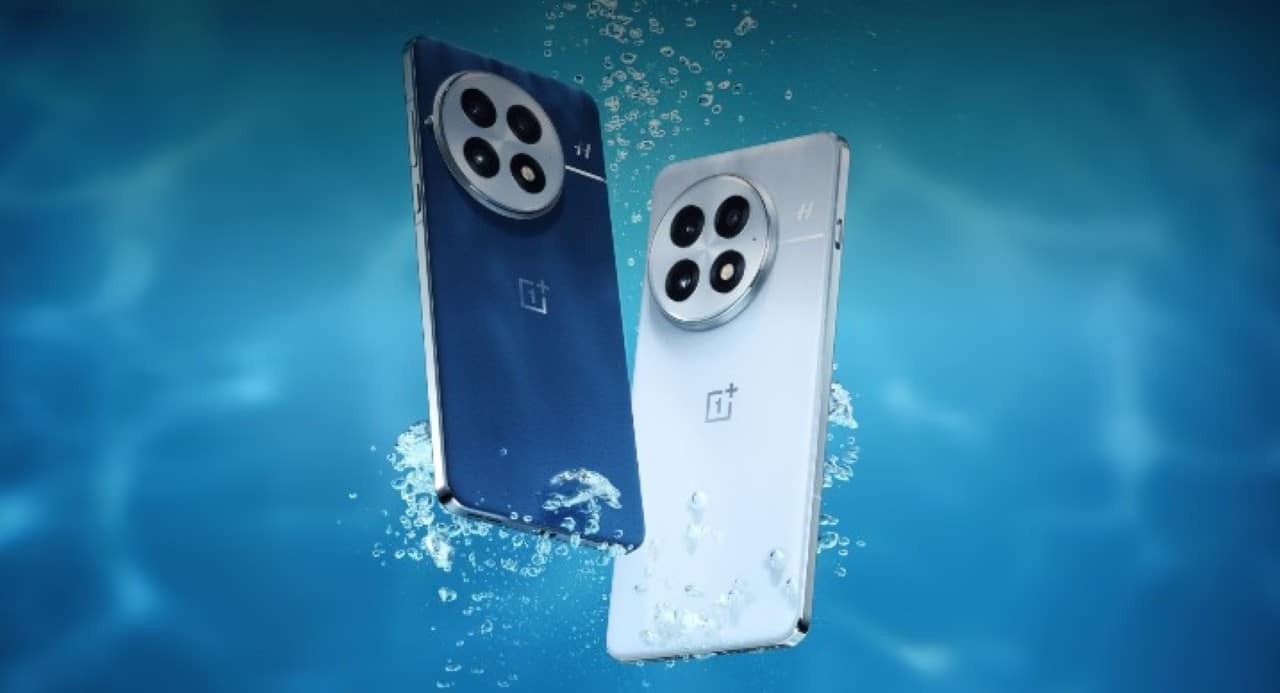
On the other hand, the OnePlus 13 is noticeably larger, with dimensions of 162.9 x 76.5 x 8.5 mm and a weight that varies between 210 and 213 grams. The model offers glass or eco-leather finishes, with a soft curvature on the edges that seeks to refine the footprint of a larger device. The camera module, located in the upper left corner, has a more discreet design with less protrusion. An important differentiator is its double resistance certification, IP68 and IP69, the latter offering protection against high pressure and temperature water jets, a level of robustness rarely seen in the segment.
Display quality
The screen is one of the points where the differences between the two devices become most evident. The Pixel 10 Pro uses a 6.3-inch LTPO OLED panel, a choice that favors portability. With a resolution of 2856 x 1280 pixels, the display reaches a maximum brightness of 3,300 nits, excellent for viewing in direct sunlight, and supports the HDR10+ standard.
The OnePlus 13, in turn, focuses on immersion with a 6.82-inch AMOLED LTPO panel and a higher resolution of 3168 x 1440 pixels. Maximum brightness is one of the highest on the market, reaching an impressive 4,500 nits, and support includes Dolby Vision and HDR Vivid, promising a superior media viewing experience. The thinner bezels result in a screen-to-body ratio of approximately 91%.
Both panels have an adaptive refresh rate of 1 to 120 Hz, ensuring fluid navigation and energy savings on static content. The Pixel is protected by the Gorilla Glass Victus 2, while OnePlus uses the Ceramic Guard, which promises extra durability against drops and scratches, offering users peace of mind on a daily basis.
Processing and daily performance
The heart of the Pixel 10 Pro is the Google Tensor G5 processor, manufactured by TSMC on a 3nm process. The Este chip was developed with a focus on energy efficiency and, in particular, the acceleration of artificial intelligence and machine learning tasks, which power the unique capabilities of the Android system of the Google. Apoiado with up to 16 GB of LPDDR5X RAM and UFS 4.0 storage, the device manages multitasking and application execution with extreme fluidity, ensuring a cohesive and intelligent user experience. Embora is not designed to lead raw performance benchmarks, it delivers consistent performance optimized for the features of the Google ecosystem, keeping temperatures under control even during prolonged use.
Autonomy and charging
Energy management is one of the most important battlegrounds. The Pixel 10 Pro is equipped with a 4,870 mAh battery, enough capacity for a full day of moderate use. Wired charging is limited to 30W, a modest number by today’s standards, and wireless charging tops out at 15W on the Qi2 standard.
In this regard, the OnePlus 13 takes a significant lead. The device incorporates a 6,000 mAh cell with silicon-carbon technology, which allows for greater energy density. Isso translates into autonomy that can exceed that of the competitor by up to 30%, ideal for intensive users.
Reload speed is another notable difference. The OnePlus 13 supports 100W fast wired charging, capable of taking the battery from 0 to 100% in less than 30 minutes. Wireless charging is also superior, with 50 W of power.
It is worth noting that the Google does not include the charger in the box in its global version, a practice that OnePlus has not yet adopted in all markets. Para For those who value the convenience of quick recharges and a battery that lasts longer, the OnePlus model has a clear advantage.
Photographic system
The Google Pixel 10 Pro features a triple set of rear cameras, led by a 50 MP main sensor with f/1.68 aperture. Ele is accompanied by a 48 MP ultra-wide lens with a 123-degree field of view and a 48 MP periscopic telephoto lens that offers an impressive 5x optical zoom. The real magic, however, lies in the Google’s image processing, which uses advanced algorithms to optimize contrast, color and detail, producing photos that look distinctive and ready to share.
The OnePlus 13 responds with three 50 MP sensors: a main one, an ultra-wide-angle one with a 120-degree field of view and a telephoto lens with 3x optical zoom. OnePlus’ approach seeks to deliver images with more natural colors and less processing, attracting photographers who prefer to have more control in post-production. Ambos devices record high-resolution videos with efficient stabilization systems, but the superior optical zoom capacity of the Pixel can be decisive for those who like to photograph distant objects.
Software experience and updates
The software is, without a doubt, Pixel 10 Pro’s greatest asset. Rodando a pure version of Android, the device offers a clean and intuitive interface, free from duplicate applications. Além In addition, it benefits from unique AI features built into the system, such as the Gemini assistant. The big difference is the Google update policy, which promises seven years of new versions of the Android and security updates, an industry record that guarantees longevity and resale value to the device.
The OnePlus 13 uses OxygenOS, an Android-based interface that is known for its extensive customization options and performance-oriented features, especially in gaming. Although the experience is not as “pure” as Pixel, many users appreciate the flexibility it offers. OnePlus’ update policy is also robust, guaranteeing four or five years of system updates, depending on the region, which places it among the best on the Android market, just behind the Google.
Market availability
The Pixel 10 Pro can now be found at the official Google store and at partner retailers in selected markets, with color options such as The OnePlus 13, in turn, is being launched globally in phases, available in colors such as Eclipse Negro and Aurora Ártica. Prices can vary significantly depending on region, taxes and the chosen storage configuration, which in both cases reaches up to 1 TB.
The final choice between the two models will depend on the consumer’s priorities. Aqueles Those looking for a more compact device, with a pure software experience, cutting-edge AI features and the largest update support on the market will find the Pixel 10 Pro the ideal option. Já users who prioritize a large, immersive screen, maximum gaming performance, exceptional battery life, and ultra-fast recharging will certainly lean toward the OnePlus 13.



