
Prince Harry faces harsh criticism for exposing children as he attacks media in legal case

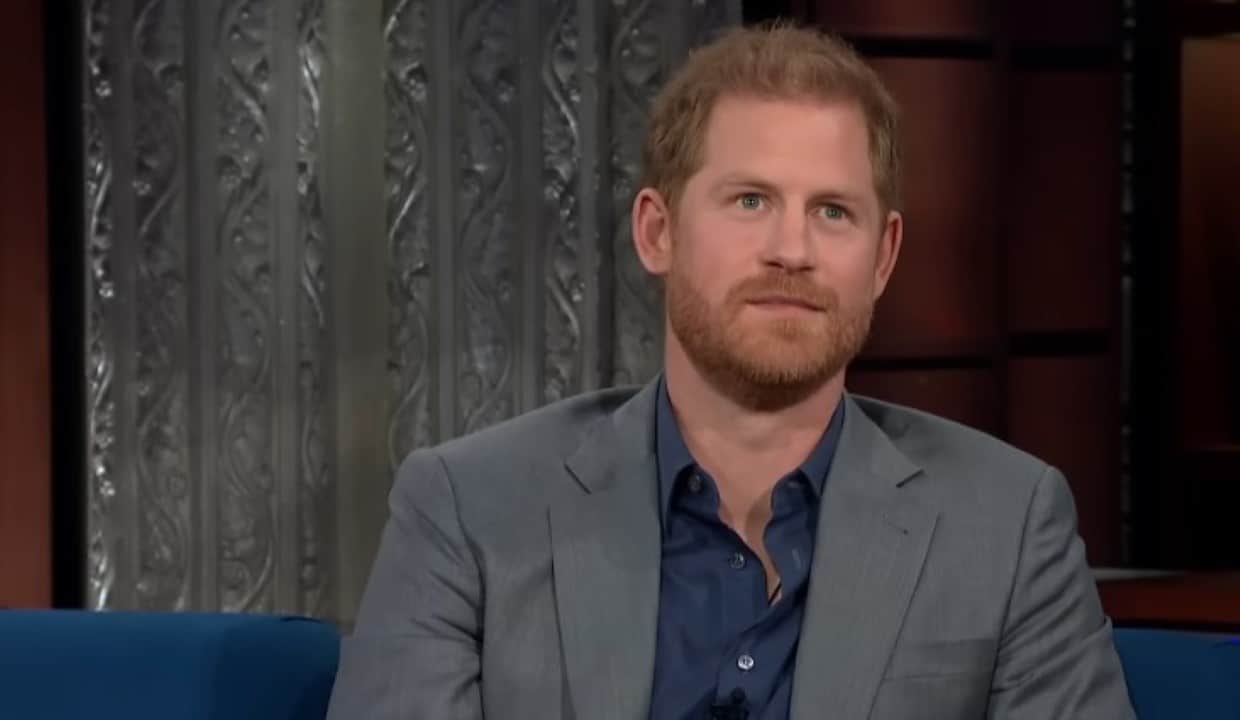
Prince Harry faces a new wave of public questioning after being branded a hypocrite by experts following his legal cases against media groups. The accusation comes at a sensitive time, where the Duke of Sussex claims that his life has been commercialized in a traumatic way since his adolescence by journalistic companies. Durante the hearings held this week, Harry described the experience of giving testimony as a repetition of past traumas, claiming that he never authorized the commercial exploitation of his privacy.
The negative repercussion gained strength with the analyzes of journalist Tom Sykes, who follows legal developments involving Daily Mail and Associated Newspapers on a daily basis. The central argument of the criticism lies in the contradiction between Harry’s speech in court and Meghan Markle’s recent actions on social media and in commercial projects. Especialistas point out that the couple made an active decision to include their children, Archie and Lilibet, in a highly visible and profitable public narrative for their own brands.
- Meghan Markle’s recent posts include children’s private moments in everyday activities.
- Archie was shown in videos feeding animals, while Lilibet appeared in leisure time with the family.
- The content is often associated with brands and projects developed by the couple at Califórnia.
- The court is analyzing whether the prince’s behavior outside of court invalidates his privacy protection arguments.
The strategic use of the image of royal heirs in commercial campaigns
The exposure of 6-year-old Archie and 4-year-old Lilibet became a key point of contention in discussions about the integrity of the Duke of Sussex’s speech. Enquanto Harry fights in the courts to condemn the intrusion of the press, his wife uses digital platforms to share records captured by the children themselves or close family members. Segundo royal watchers, these images are a key part of building a robust business brand that supports the couple’s Estados Unidos lifestyle.
The release of videos where Lilibet appears filming his parents dancing or recordings of Archie in family moments are seen as engagement tools for the family business. Críticos claim that the children are not old enough to consent to this global exposure, which would directly conflict with Harry’s complaints about the commercialization of his own image without authorization. Essa duality between privacy protection and controlled exposure generates an ethical debate about the limits of personal marketing using minors.

Conflicts between judicial discourse and the digital reality of Montecito
Prince Harry’s defense strategy focuses intensely on the psychological damage caused by media persecution over the past few decades. In his statements, he reinforces that the commercialization of his image is a recurring and traumatic process that severely impacts his mental health. However, the frequency with which Meghan Markle publishes stories on Instagram and other social networks creates a contrast that is difficult for judges and global public opinion to ignore.
The shared records show Lilibet swimming with her grandmother and moments of relaxation that, although they seem natural, serve to fuel the public’s interest in the Archewell brand. Para experts, this voluntary exposure weakens the argument that the family wants to live a life completely removed from the spotlight and commercial exploitation. The court must now assess whether Harry’s evidence about press intrusion remains valid given the active management of his public image by his own family.
Arguments about consent and global brand building
The legal discussion also extends to the issue of children’s consent, who are inserted into a marketing context without understanding the future implications. Tom Sykes highlights that, even when children’s faces are partially hidden or shown in side profiles, their presence is essential to the market value of Sussex. Essa approach is seen as a form of direct marketing, using public curiosity about the new generation of British royalty to generate traffic and digital relevance.
The fact that Harry allows these images to be used in associations with the couple’s brands is what supports the journalist’s accusation of hypocrisy. Existe a growing realization that the prince condemns the media for doing exactly what he and his wife do in a coordinated and profitable way. The couple’s defense, on the other hand, maintains that they have the right to control their own narrative, differentiating voluntary exposure from the aggressive invasion practiced by British tabloids.
Exhibition history and chronology of recent events
The royal family’s trajectory in Califórnia has been marked by a series of releases that use their personal lives as a backdrop for products and documentaries. Desde the move to Estados Unidos, the couple has alternated between requests for absolute privacy and selling exclusive content about their domestic behind-the-scenes. Essa oscillation creates an ambiguity that is now exploited by lawyers for communication companies in the lawsuits filed by the duke in Londres.
The couple’s behavior at international events, such as the celebrations in Nova York and official visits to other countries, reinforces the image of global celebrities in constant promotional activity. Harry, who described his life as “open season” to the media, faces the challenge of proving that the exposure orchestrated by his team is different from the one he is fighting legally. The lack of a clear distinction between the two types of commercialization has confused followers of the royal family and given ammunition to its most fervent opponents.
The structure of allegations against the international press
The case filed against Associated Newspapers involves serious allegations of illegal information gathering, including wiretapping and the use of private investigators. Harry maintains that these practices violated his fundamental rights and caused irreparable harm throughout his adult life. However, the focus of international media has shifted to the prince’s current behavior, suggesting that his outrage may be selective depending on who profits from the information.
Tension in the courtroom increased when Barrister David Sherborne questioned the prince about the traumatic nature of giving evidence against major media groups. Harry reiterated that he feels obligated to protect his family from a similar fate to that of his mother, Princess Diana, who was constantly hounded by the press. Contudo, for critics, the use of children in Instagram videos seems to contradict the desire for isolation and protection against commercial exploitation that the prince so defends.
Considerations on family dynamics and digital marketing
Meghan Markle’s image management has been described as professional and strategic, aimed at consolidating its influence in lifestyle and wellness sectors. The inclusion of Archie and Lilibet in these communications is not seen by experts as accidental, but as part of a structured business plan. Essa reality puts Prince Harry in an uncomfortable position, where he must reconcile his fight for privacy with his wife’s marketing strategy.
The perception that there is a “double standard” in the couple’s conduct has been widely discussed on news portals in several countries. Enquanto the prince seeks financial reparations and apologies in court, the publication of private content continues to feed the media machine that he claims to despise. Factual analysis of events shows that the Sussex family remains at the center of a battle of narratives, where the truth about their quest for privacy is constantly tested by their own public actions.
Impact on public opinion and ongoing processes
The accusation of hypocrisy not only affects the prince’s personal reputation, but could have direct implications for the outcome of his legal disputes. Juízes usually consider the behavior of the parties involved when evaluating compensation claims for privacy violations and moral damages. If it is proven that the plaintiff actively markets the same facts he wishes to protect, the value of his claim may be significantly reduced or even dismissed by higher courts.
The international repercussion of these criticisms shows that the public is increasingly aware of the contradictions of royal members who seek independent careers. The balance between being a public figure and demanding complete privacy is extremely delicate, especially when there are financial interests involved in every post or statement. Harry continues to be a polarizing figure whose actions in 2026 continue to challenge traditional conventions about what it means to be a prince in the digital age.



