
Professional Leica photography arrives on all Xiaomi cell phones with the new HyperOS system


A significant update is redefining the photography experience for Xiaomi smartphone users. The company announced the expansion of its camera features developed in partnership with the renowned brand Leica for all devices that operate with the HyperOS system. Anteriormente, this technology was an exclusive feature of the more expensive models, but will now be made available to a much wider audience, including devices from the Redmi and Poco sub-brands.
This initiative represents an important step in the democratization of advanced photographic tools. The collaboration with Leica, known worldwide for its lenses and image quality, allows users to capture photos with a professional aesthetic, adjusting parameters such as contrast, sharpness and tint directly in the system’s native camera application.
The novelty promises to strengthen Xiaomi’s position in the competitive smartphone market, offering considerable added value to its products. The update will be rolled out gradually, allowing millions of users, from entry-level to high-end models, to explore new creative possibilities in their daily photography.
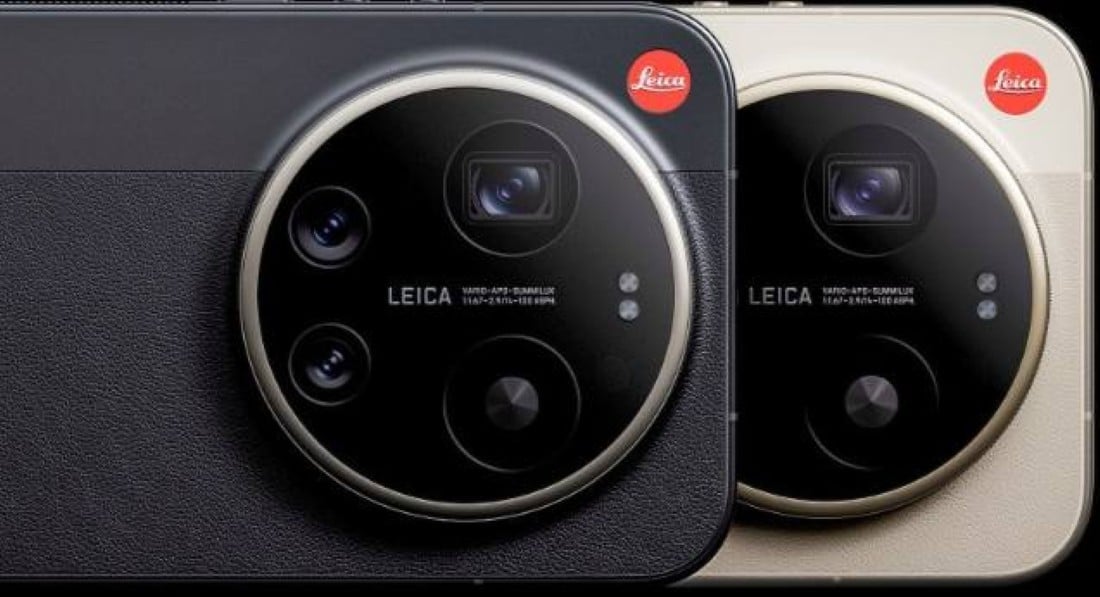
A collaboration that raises the bar in photography
The partnership between Xiaomi and Leica is not new, but the decision to extend its functionalities to the entire HyperOS ecosystem marks a new chapter. Originalmente, exclusive filters and camera modes such as “Leica Authentic” and “Leica Vibrant” were restricted to premium devices, such as the expected future Xiaomi 17 Ultra. Essa strategy created a strong appeal for more expensive models, associating them with a superior photographic experience.
With the new approach, the company seeks to consolidate the visual identity of its products and reinforce the perception of quality across all of its device lines. By making advanced camera software available, the Xiaomi not only satisfies current customers, but also attracts new consumers who value mobile photography but don’t necessarily want to invest in a high-end device.
How the new presets and filters work
The HyperOS update introduces a set of presets and fine-tuning that simulate the classic aesthetic of Leica photography. Esses features were designed to give users greater control over the final result of their images, going far beyond the conventional filters found in other operating systems. The implementation has been carefully thought out to be intuitive, even for amateur photographers.
Among the available options, specific modes stand out for different scenarios and artistic intentions. For example, “Sunset Glow” optimizes the warm colors of sunsets, while “Ink & Wash” creates a high-contrast monochromatic effect. Outras presets like “Fleeting Time” and “Clear Moon” enable creative compositions for night or long exposure photos by automatically adjusting complex parameters.
Users can adjust the intensity of each effect, combining them to create a unique style. Controls include parameters such as contrast (up to -25), sharpness (up to +7), and tone, allowing for detailed customization that was previously only possible with third-party editing applications such as Lightroom or Snapseed.
Installation and customization process
Getting the new Leica camera features on HyperOS has been simplified to ensure a smooth user experience. The initial process involves downloading the preset packs, which can be done directly via an official link or by scanning a QR code provided by the Xiaomi fan community, known as “Xiaomi Community”.
After installation, new filters and camera modes are integrated directly into the native app interface. Eles appear as additional options in the camera’s “Pro” mode, allowing the user to select them with a simple tap. Essa native integration is crucial as it ensures that image processing is optimized by the device hardware, resulting in greater quality and speed.
Customization is one of the update’s strengths. Users can save their favorite adjustment combinations as custom presets, labeled C1, C2, and C3. Isso streamlines the capture process, allowing you to apply a consistent visual style to a series of photos without having to reconfigure parameters with each click.
With the files properly installed, simply move the presets to the correct folder in your smartphone’s file manager so that they are recognized by the system. From there, the photographic experience is transformed, bringing the cell phone closer to a professional camera in terms of versatility and creative control.
Democratization of cutting-edge technology
The decision to bring the Leica technology to smartphones in the Redmi and Poco lines is a strategy that aims to drastically expand the brand’s reach in the intermediate segment. Popular Dispositivos series such as the Redmi Note and Poco
This expansion not only benefits users, who gain access to advanced tools at no additional cost, but also strengthens the entire Xiaomi ecosystem. By unifying the camera experience under the umbrella of Leica, the company creates a cohesive visual identity and raises the standard of quality perceived across its entire portfolio, from the most affordable models to the most sophisticated flagships. The measure also puts pressure on competition to offer more robust software solutions on their mid-range devices.
Technical adjustments and improved image quality
The implementation of Leica features in HyperOS goes beyond simple aesthetic filters. The update works in conjunction with the smartphone’s Processador of Sinal of Imagem (ISP), optimizing the processing of raw data captured by the camera’s sensor. Isso means that the resulting images not only have different colors and contrasts, but also have greater detail, lower noise in low light conditions and a wider dynamic range. The “Leica Essa deep integration between software and hardware is what allows a mid-range smartphone to produce results that, in many cases, come close to those obtained by dedicated equipment, offering a powerful tool for content creators and photography enthusiasts who want to explore their creative potential without technical barriers.
Availability and compatible models
The update will be distributed in phases, starting with the most recent models, such as the Xiaomi 15 and Xiaomi 14 series. Gradualmente, the new feature will be extended to a wide range of devices that already run or are eligible to receive HyperOS. The expectation is that the majority of devices launched in the last two years will be covered, ensuring that a massive user base can take advantage of the partnership with Leica.



