
Several Xiaomi, Redmi and Poco cell phones will have security and HyperOS updates interrupted


Xiaomi has officially announced that a significant number of its popular smartphones, including models from the Redmi and Poco lines, will no longer receive software support throughout 2026. The measure implies the end of HyperOS operating system updates and, more critically, monthly security patches. Essa decision affects a vast user base globally, who will now need to evaluate the risks of continuing to use the devices.
The closure policy follows the life cycle established by the company for devices launched between 2022 and early 2023. Esses models were marketed under a shorter support policy, generally limited to three or four years, which was not extended retroactively. The change comes at a time when the manufacturer adopts longer update cycles for its most recent releases, aligning itself with other giants in the sector.
The practical impact of the measure is the growing vulnerability to digital threats. Sem security fixes, flaws discovered in the Android operating system will not be fixed, leaving users’ data exposed to potential attacks. The decision forces millions of consumers to consider replacing their devices to ensure the protection of their personal and financial information.
Schedule defined for end of support
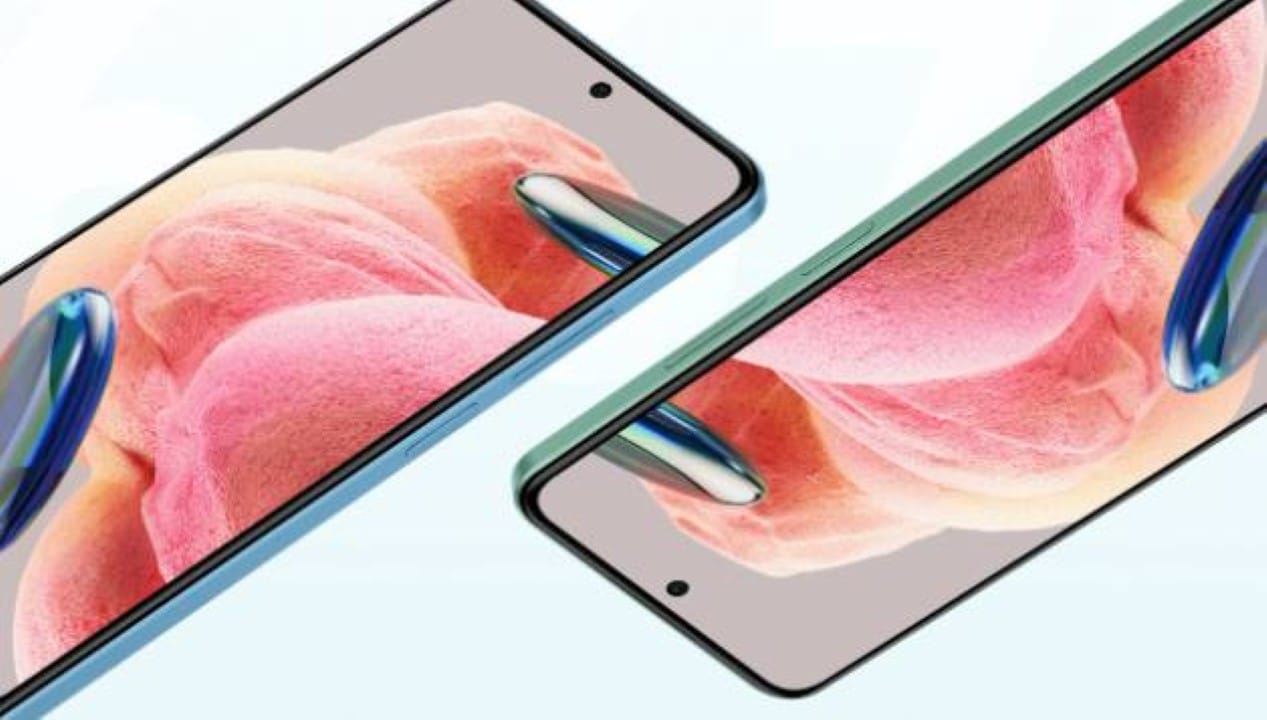
The list of affected devices is extensive and the shutdown timeline varies by model. The Xiaomi 12 series, which includes the 12 and 12 Pro models, will end support in the first quarter of 2026. The more affordable variants of the same family, such as the
The Xiaomi 12T line, launched in the second half of 2022, will receive an extra boost. Tanto the standard model and the Xiaomi 12T Pro will continue to receive updates until October 2026, completing their software life cycle a little later than their direct predecessors.
For the Poco sub-brand, the popular Poco F5 5G, known for its performance, will have its support ended in May 2026. these devices for cost-benefit.
Impact on the popular Redmi Note 12 line
The Redmi Note 12 series, one of the best-selling in the brand’s history in emerging markets such as the Brasil and Índia, will be one of the most impacted. Esses devices have successfully combined competitive specifications and affordable prices, resulting in millions of units sold worldwide. Agora, this huge user base enters the final phase of official support.
The most robust models in the family, the Redmi Note 12 Pro+ 5G and the Pro 5G, will receive security updates until October 2026, ending their cycle with the HyperOS 2 interface, based on the
On the other hand, entry-level versions, such as the Redmi Note 12 5G and its 4G variant, will have support stopped earlier. The 5G model will stop being updated in the first quarter, while the 4G version will receive its last patch in April. The end of support for such a widespread lineup exposes a large number of devices to security risks that will accumulate over time.
The risks of lack of security updates
Ending software support goes far beyond stopping you from receiving new visuals or functionality. The main consequence is exposure to security vulnerabilities. Hackers and malicious actors actively exploit flaws in outdated versions of the Android operating system to steal personal data, banking information, and access credentials. Sem the monthly security patches, which correct these holes, the smartphone becomes an easy target. Over time, essential applications, especially financial and digital payments applications, may stop working. Muitos Banks and payment platforms require a minimum level of operating system security to process transactions, and outdated devices can be locked out for not meeting these requirements. Da Likewise, in corporate environments, IT security policies often bar devices without the latest updates from accessing the company’s network, which can impact professionals who use cell phones for work.
The change in Xiaomi’s update policy
The decision to end support for these models is linked to a transition in Xiaomi’s update policy. Dispositivos launched from the end of 2023, especially those from the premium lines, now benefit from a considerably longer support cycle. The company began offering up to four major updates to the Android system and five years of security patches for its most recent flagships, a strategy to compete directly with giants such as Samsung and Google, which already adopted this practice.
This new policy, however, is not retroactive. The Xiaomi 12, Redmi Note 12 and Poco F5/X5 series devices were launched under the old rules, which provided for a shorter support period. Eles are therefore in a kind of limbo, not benefiting from the software longevity guaranteed for newer models. The manufacturer justifies the change as a way to optimize resources, focusing software development efforts on the latest hardware capable of supporting new technologies and features, including advanced artificial intelligence features integrated into HyperOS.
What to do with a cell phone without official support
For owners of affected models, the safest recommendation is to plan to migrate to a newer device that has an extended support policy. Essa is the only way to ensure continuous receipt of security updates directly from the manufacturer, keeping your device and data protected against the latest threats.
For users with advanced technical knowledge, there is the alternative of custom ROMs. Open source Projetos, like LineageOS, are developed by the community and may offer newer versions of Android and security patches for devices that have already lost official support. Contudo, installing a custom ROM is a complex process that can void the warranty, cause system instability and, in extreme cases, render the device unusable. Além Additionally, some banking applications may not function properly due to security verification mechanisms.
The functionality of the device in everyday life
It is important to highlight that smartphones will not stop working after support ends. Basic functions, such as making calls, sending messages, using the camera and browsing the internet, will continue to operate normally. Most apps available on the Google Play Store will also remain compatible for a long time. The problem lies in the invisible layer of security, which becomes progressively more fragile with each new vulnerability discovered and not fixed, making using the device a risky bet in the long term.



