
Ana Paula Renault identifies Matheus’s ‘hater-seeking’ strategy in BBB 26, comparing him to ex-housemate Pedro

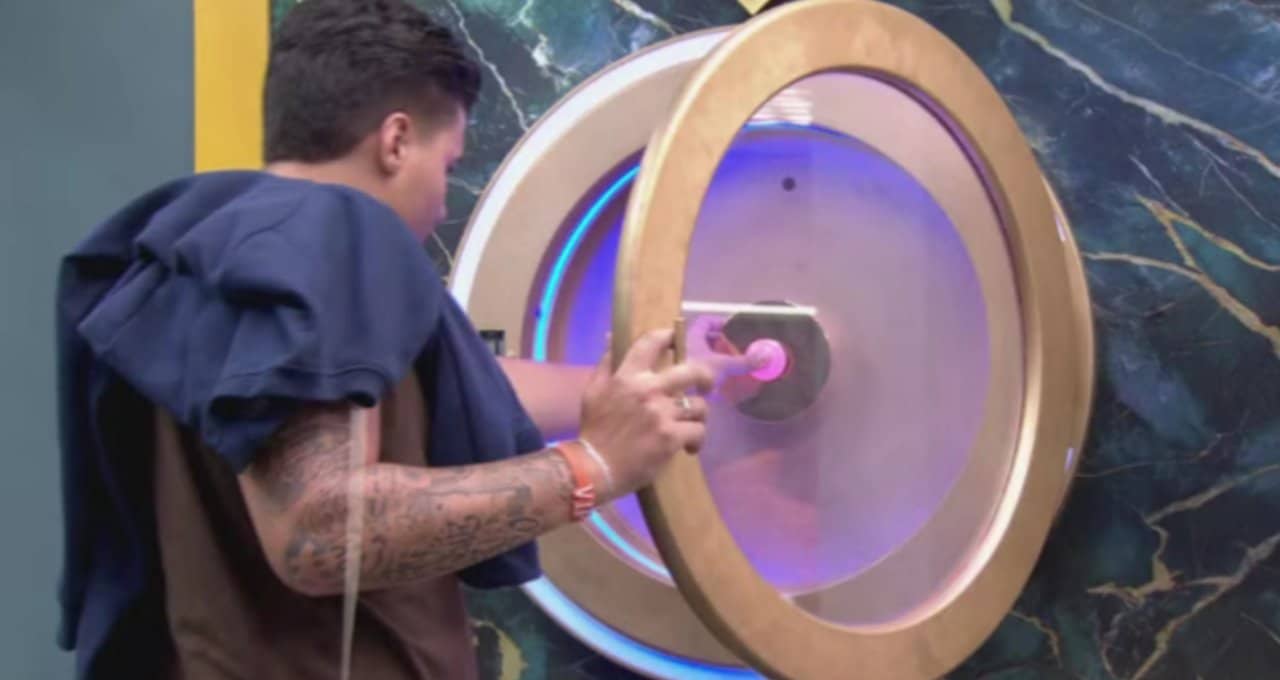
Inside the dynamic Big Brother Brasil 26 house, Ana Paula Renault has drawn a significant comparison between current housemate Matheus’s argumentative style and that of Pedro, who recently exited the competition. Renault articulated her observations following a heated discussion involving Matheus, suggesting a calculated approach to provoke external reactions.
Her analysis, shared with fellow contestants Marcelo, Milena, and Jonas, highlighted a specific pattern in Matheus’s discourse. This perceived strategy aims to garner support from viewers by intentionally creating contentious situations that resonate with external audiences.
The seasoned journalist expressed her concerns over what she interprets as a deliberate attempt to manipulate public sentiment. This tactic, according to Renault, mirrors the actions of Pedro, implying a pre-meditated method for gaining an advantage in the reality show.
Renault identifies familiar game tactics
Ana Paula Renault voiced her distinct view on Matheus’s recent behavior, particularly noting his arguments during a late-night discussion. She observed a striking resemblance in his rhetoric to that previously employed by Pedro, who voluntarily left the BBB 26 house just last week. The former participant highlighted specific phrases and argumentative structures, pointing to a strategic similarity.
During a conversation with housemates, Renault elaborated on her perspective. She indicated that Matheus’s approach seemed designed to appeal to public opinion outside the house, specifically targeting those who might be inclined to react negatively to certain issues.
Matheus’s controversial remarks scrutinized
Matheus’s recent statements, particularly those directed at Ana Paula Renault, came under close scrutiny from the journalist. She recounted his comments regarding her relationship with “Tia Milena,” alleging that he implied this connection was “against her flags,” leading to her irritation. This line of argument struck Renault as intentionally vague and ultimately aimed at a broader, external audience rather than a genuine in-house resolution.
Renault characterized Matheus’s contributions to the debate as “saying nothing with nothing,” a tactic she found peculiar and indicative of a deeper motive. Her reflection centered on the notion that such ambiguous yet provocative statements serve mainly to “seek the haters” from outside the confined environment of the Big Brother house. The strategy appeared to be an attempt to manufacture controversy that would generate strong reactions and engagement from the viewing public, a common, albeit often criticized, approach in reality television.
External strategies and house dynamics
The strategic parallels between Matheus and Pedro raise questions about the influence of external factors on house dynamics. Renault explicitly pondered why “Pedro had the same thing as this other one,” suggesting a pattern of behavior designed to appeal beyond the immediate interactions within the house. She speculated that Brigido might be orchestrating or influencing these specific argumentative approaches from outside.
This belief points to a deeper layer of gameplay, where contestants might be receiving or inferring advice from external sources or previous seasons’ strategies. The constant awareness of the external audience and its potential impact on nominations and eliminations often shapes how housemates engage in conflicts, aiming to project a certain image or provoke specific reactions from viewers.
Ana Paula’s personal boundaries highlighted
Ana Paula Renault also shed light on her personal vulnerabilities within the game, particularly regarding arguments involving her family and friends. She articulated a clear boundary, stating that any housemate who uses her family against her would effectively end any possibility of dialogue or rational debate. Such a move, she affirmed, would immediately shut down her ability to respond coherently.
Renault emphasized that the use of personal relationships as a weapon in disagreements crosses a line for her, indicating a significant emotional trigger. She lamented what she perceived as a shift among housemates, suggesting they are “forgetting what we came here to do” and instead “using weapons they imagine,” implying a departure from genuine engagement to manipulative tactics. This candid admission reveals her emotional core and the specific areas where she feels most exposed in the competitive environment.
The ongoing psychological warfare in BBB 26
The BBB 26 house continues to be a crucible of psychological strategies, where contestants navigate complex social dynamics and intense emotional pressures. Discussions often transcend simple disagreements, evolving into carefully calculated maneuvers designed to influence alliances, manipulate perceptions, and sway the public vote. The comparison between Matheus and Pedro underscores the constant mental chess match being played.
Housemates are perpetually aware of the cameras and the millions of eyes watching their every move, leading many to adopt personas or strategies they believe will resonate with viewers. This can manifest as heroic victimhood, aggressive truth-telling, or, as Ana Paula suggests, a deliberate provocation of “haters” for engagement. The line between authentic emotion and strategic performance often blurs.
The game necessitates a high level of self-awareness and cunning, as every word and action can be dissected and reinterpreted, both inside the house and by the audience. Surviving requires not only navigating relationships but also anticipating public reaction and adapting one’s game accordingly. The constant pressure of eviction fuels these intricate psychological battles, pushing contestants to their limits.
This strategic depth ensures that every season brings new layers of complexity to human interaction under intense scrutiny. The debates and alliances are rarely as straightforward as they appear, often concealing layers of calculated intent beneath the surface of everyday interactions, making the viewing experience perpetually engaging.
Housemates adapt to public perception
In the high-stakes environment of Big Brother Brasil 26, housemates are constantly adapting their strategies based on perceived public perception and the reactions of their peers. This fluid game often requires a delicate balance between authenticity and strategic positioning, as contestants strive to maintain popular support while advancing their own interests within the competition.
Reality competition behavioral patterns
The behavioral patterns observed in reality competitions like Big Brother Brasil frequently reveal common human responses to isolation, competition, and public scrutiny. These shows often highlight recurring archetypes and strategies, as contestants instinctively seek ways to gain advantage, whether through forming alliances, creating narratives, or, as discussed, appealing to external audiences for support. The intense pressure tends to amplify certain traits and reveal the strategic depth individuals are willing to employ to win.


