
IPhone 18 Pro could revolutionize with 2nm chip and mechanical iris camera, new rumors indicate


New rumors about the Apple iPhone 18 Pro line indicate that the devices could bring one of the most significant updates in recent years. Detalhes leaks suggest profound innovations in the processor, a new camera system and a change in screen design, promising to redefine the user experience for the brand’s consumers.
In addition to hardware improvements, information points to a possible change in the company’s launch strategy. Apple would be evaluating a split schedule, with the Pro models hitting the market before the more basic versions, which could change sales dynamics and product availability globally.
This differentiated approach, if confirmed, could be a response to challenges in the supply chain or a tactic to segment the public more efficiently. Especialistas in the sector are already analyzing the possible consequences of this new strategy for the technology giant’s launch cycle.
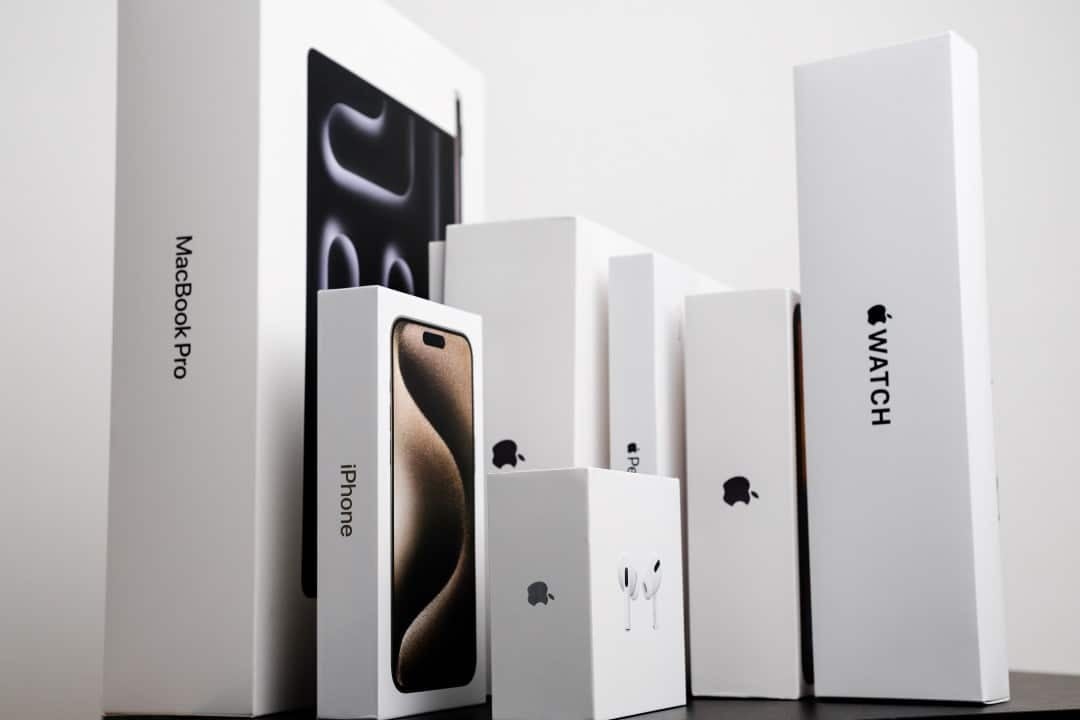
A new front design without the Dynamic Island
Despite maintaining the screen dimensions of the previous generation, with 6.27 inches for the iPhone 18 Pro and 6.86 inches for the Pro Max, both with 120Hz, the main visual change would be on the front. Recent Vazamentos suggests that the Apple plans to replace the Dynamic Island with fully integrated under-display camera and sensor technology.
This transition would result in a cleaner and more immersive design, eliminating any type of cutout or notch. The change would not only optimize the usable screen area for viewing content, but would also represent an important aesthetic advance, delivering a continuous and uninterrupted visual experience.
The power of the unprecedented A20 Pro processor
As usual, the Apple must present a new processor for its premium line, and the A20 Pro chip, intended for the iPhone 18 Pro, promises a leap in performance. Fontes indicate that this will be the company’s first processor manufactured with 2 nanometer (nm) technology, a milestone for the semiconductor industry.
The 2nm architecture allows for a dramatic increase in transistor density, which translates into superior performance and greater energy efficiency. Isso means that devices will be able to perform complex tasks faster while offering improved battery life.
The chip must also incorporate WMCM (Wafer-Level Multi-Chip Module) packaging technology. Essa advanced technique allows the integration of multiple components in a more compact way, improving communication between them and the thermal management of the device, consolidating Apple’s leadership in the development of mobile processors.
Elevated mobile photography with mechanical iris
The iPhone 18 Pro camera system will also undergo a revolution, with the introduction of a mechanical iris in at least one of the rear lenses, a feature previously restricted to professional cameras. Essa technology allows for physical and variable control of the lens aperture, adjusting the amount of light that reaches the sensor much more precisely than software-based solutions. The practical result is superior exposure control in different lighting conditions, from bright sunlight to nighttime scenes. The main benefit for users will be the ability to capture photos with a natural and authentic depth of field, creating a more organic and aesthetically pleasing background blur (bokeh), reducing reliance on portrait mode algorithms. With this innovation, image quality will come even closer to that obtained with DSLR cameras, offering greater creative freedom for amateur and professional photographers.
Changes to Apple launch strategy
Traditionally, Apple launches all models of a new generation of iPhone simultaneously in September. Contudo, for the iPhone 18 line, the company may adopt a new approach. The Pro and Pro Max models are expected for September 2026, maintaining the usual calendar.
However, the other variants in the line may have a different schedule. Fontes experts suggest that the standard iPhone 18, iPhone 18e and a possible new model called the iPhone Air would only launch in early 2027.
This division in the launch calendar can be motivated by several factors. Entre them include optimizing the production chain, creating longer demand cycles or a strategy to give exclusive prominence to premium models during the most important sales period.
The move would allow Apple to focus its marketing efforts on the most expensive devices initially, maximizing impact and value perception before introducing more affordable options to the market a few months later.
Price projections for advanced models
Although there is still no official confirmation, the first leaks already provide price estimates for the new devices. The iPhone 18 Pro could reach the Indian market for approximately 134,900 rupees, while the iPhone 18 Esses numbers align the devices to the ultra-premium segment, following Apple’s pricing policy for its high-end products.
It is crucial to note that these values can vary significantly based on factors such as internal storage capacity and other configurations that the Apple may offer. The company has historically made multiple memory options available, which directly impacts the final cost for the consumer, offering some flexibility within the high price range.
Expectations for the official announcement
The technology community and consumers await official confirmation from Apple on all these innovations with great interest. If the rumors are confirmed, the iPhone 18 Pro will represent one of the biggest technological advances in smartphone history, consolidating the company’s position as an innovation leader in the market.



