
Second phase of testing of Xiaomi’s HyperOS 3 is released for 17 new devices in China

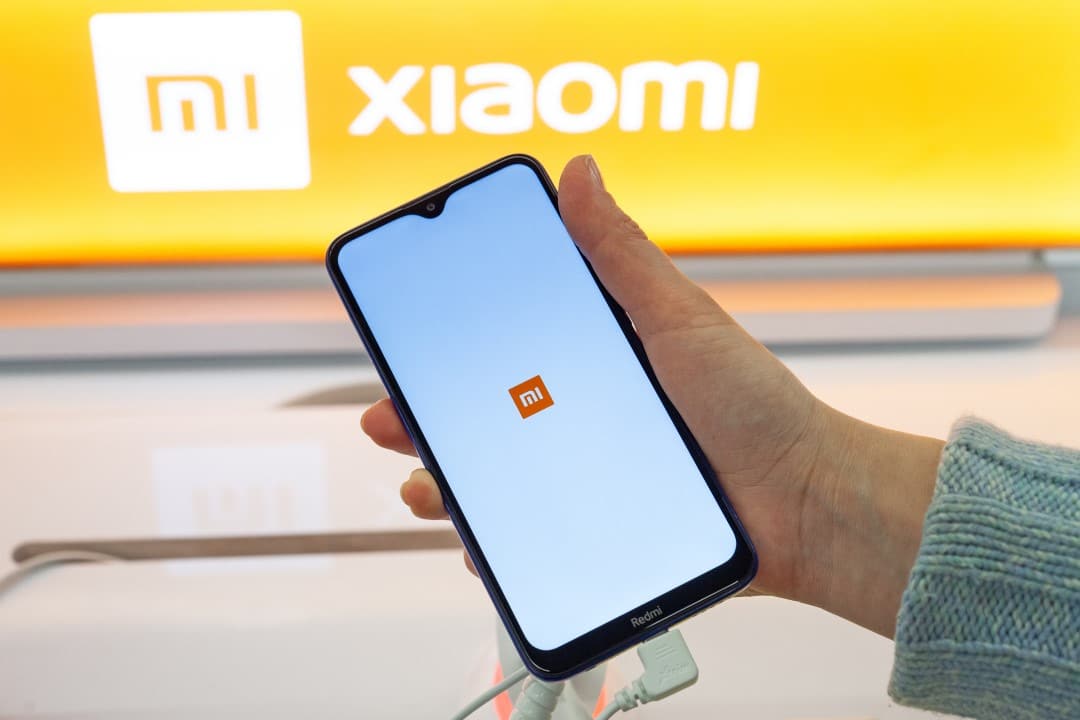
Xiaomi intensified the development of its new operating system by starting the second phase of recruiting users for the HyperOS 3 beta tests. The program, restricted to the Chinese market, was structured in two distinct waves throughout the month of January, demonstrating the continuous advancement of the platform that replaced the old MIUI interface. The initiative focuses on collecting crucial data and feedback to improve the system before its stable release.
The update distributed at this stage is classified as an early engineering version, which means it still has instability and bugs. For this reason, the manufacturer itself strongly advises against its installation on devices for daily use. The main objective is to allow experienced developers and enthusiasts to evaluate new features and report bugs, directly contributing to the quality of the final version.
The selection process prioritizes owners of recent high-end devices from the brand and its subsidiary Redmi. The strategy allows Xiaomi to test the software on cutting-edge hardware, evaluating maximum performance and compatibility with the latest technologies embedded in its smartphones and tablets. Participation is voluntary and carried out through the official channels of the Mi community at China.

First wave devices
The first wave of testing, which began on January 22, focused on the latest and most powerful Xiaomi releases. Modelos as well as the Xiaomi 17 series, including its variants Ultra and Pro Max, were the first to receive the beta build. The choice of these devices is strategic, as their advanced hardware allows the company’s engineers to evaluate the raw performance of HyperOS 3 without the limitations of older components, thoroughly testing new animations, system response and resource management.
The inclusion of high-performance tablets, such as the Xiaomi Pad 8 Pro, from this early stage signals the company’s strong commitment to creating a cohesive and unified user experience across different device formats. Chinese testers who gained early access shared initial impressions that highlight significant improvements in the fluidity of the interface and, especially, in the multitasking capabilities, which become increasingly essential on larger screens. Optimization for these devices is a central pillar of the HyperOS philosophy.
Second wave of access
The expansion of the beta program takes place in the second half of January, extending access to a broader group of devices. Essa strategy is critical to ensuring that the system is compatible and stable across a wider variety of hardware configurations before being released to the general public.
At this stage, foldable models such as the Xiaomi MIX Flip 2 are included, allowing the development team to perform specific optimization tests for flexible screens and the adaptive user interface. Software durability in bending mechanisms and usability in different modes are rigorously evaluated.
In addition to foldables, flagships from previous cycles and models from the Redmi, such as the K80 series variants, are also on the list. The inclusion of these devices ensures more diverse data collection, helping to identify and fix bugs that could go unnoticed if testing was limited to only the most recent releases.
Features expected in HyperOS 3
HyperOS 3 promises to bring a series of important refinements compared to its previous versions, with a special focus on animations, graphical stability and energy efficiency. According to preliminary information released by Xiaomi, the system was designed to offer a smoother navigation flow, with transitions between applications and menus that consume less resources, as well as an improved haptic response that makes interaction faster and more intuitive. Optimizing battery consumption is another pillar, aiming to extend the autonomy of devices even under intense use, a constant feedback from the user community. The integration of advanced artificial intelligence features is one of the most anticipated highlights, with more proactive virtual assistants capable of facilitating everyday tasks, as well as automatic performance optimizations based on the owner’s usage patterns. Connectivity within the Xiaomi product ecosystem has also been reinforced, promising file transfer and task continuity between smartphones, tablets and notebooks almost instantly. Visualmente, the HyperIsland design introduces new graphics and customization options for the lock screen and notification center, while security has been strengthened with additional layers of encryption to protect sensitive data.
Risks and recommendations for testers
Xiaomi has been transparent about the risks associated with participating in the beta program. Engineering versions, by their nature, contain instabilities and flaws that can compromise the user experience. The company explicitly warns users not to install the software on their main devices, recommending the use of a secondary device dedicated exclusively to testing.
Among the most common problems reported in early testing phases are accelerated battery consumption, unexpected application closures and even random system restarts. Essas occurrences are expected and are part of the development process, serving as a basis for future corrections.
It is essential that participants perform a complete backup of all their data before proceeding with the installation of the beta update. Losing personal information is a real risk, and precaution is the best way to avoid inconvenience. The collaboration of testers, through detailed reports, is what allows the software team to accelerate the resolution of the most critical problems.
Despite the challenges, early access to new features and the opportunity to contribute to the development of the system attract many brand enthusiasts, who value the chance to experience the innovations first-hand.
Full list of eligible models
The program covers a total of 17 device variants, a number that reflects Xiaomi’s commitment to keeping a wide range of its portfolio up to date. The selection includes everything from the latest releases to devices from previous generations, ensuring comprehensive coverage. Entre smartphones include the Xiaomi 17, Xiaomi 15 and Xiaomi 14 series, including their respective versions Pro and Ultra. The Redmi line is also well represented, with the K90 models, Pro Max, K90 and the K80 family, which offer high performance to a diverse audience. Tablets, such as the Xiaomi Pad 8 Pro and the Pad 7 Ultra, are also part of the list, reinforcing the vision of an integrated operating system.
Context of HyperOS evolution
Officially launched in 2023 to succeed the renowned MIUI interface, HyperOS represents a paradigm shift for the Xiaomi. The proposal of the new system is to go beyond a simple layer of customization of the Android, functioning as a central platform to connect the company’s entire product ecosystem, which includes not only smartphones and tablets, but also wearables, smart home devices and even vehicles. With each new version, the company improves the integration between these devices, seeking a fluid and continuous user experience. Previous updates have already brought significant advances in connectivity and functionality sharing, and HyperOS 3 aims to further consolidate this vision.
Participation in the beta program
The sign-up process for the beta program is restricted to users on China and managed through the official Xiaomi community app. Interested parties must have an active Mi account and one of the eligible devices on the list published by the company. The selection is not automatic; Candidates undergo analysis and are chosen in limited batches, a measure that allows the development team to manage the feedback flow in a more efficient and controlled way. Once approved, participants receive instructions for downloading and manually installing the build, a procedure that, in some cases, may require unlocking the device’s bootloader, something recommended only for users with advanced technical knowledge.



