
WhisperPair flaw exposes Sony, JBL and Anker headphones to tracking and silent eavesdropping

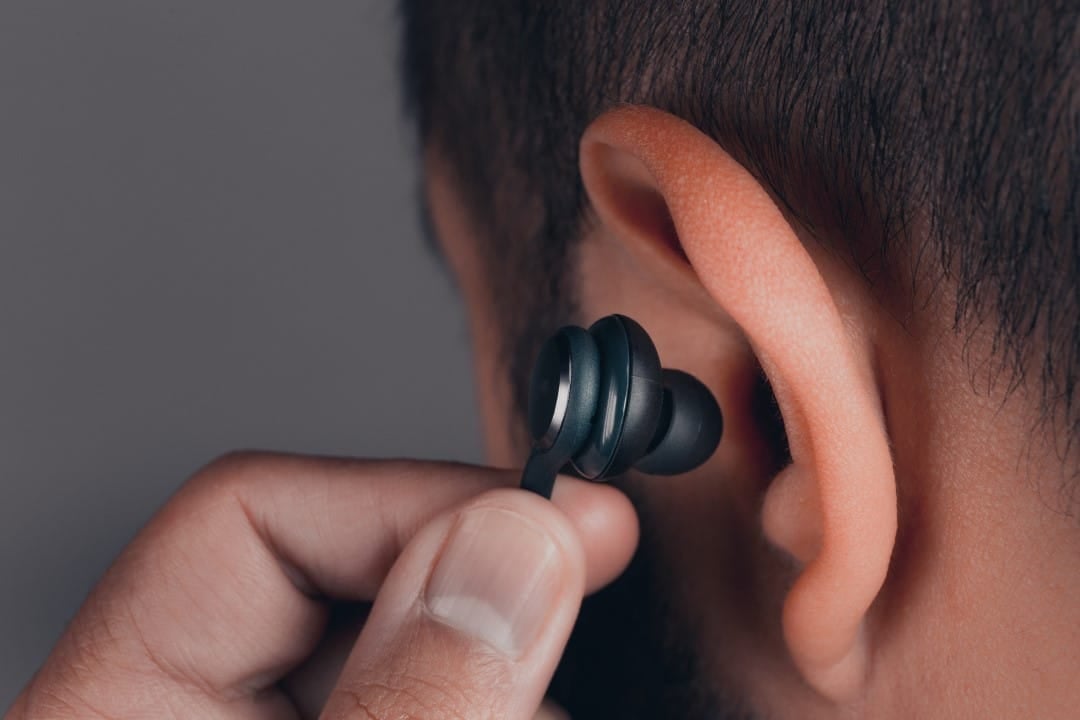
A series of vulnerabilities, dubbed WhisperPair, were discovered in the Fast Pair and Google protocol, exposing millions of brand-name wireless headphones and speakers to significant security and privacy risks. The flaw allows attackers to secretly connect to devices within seconds, even if they are already paired with the user’s smartphone, opening the door to spying and location tracking.
The research, conducted by experts from Universidade KU Leuven, at Bélgica, revealed that the problem lies in the incorrect implementation of the protocol by several manufacturers. The Fast Pair, designed to simplify and speed up the connection of Bluetooth accessories with Android devices, has paradoxically become an attack vector that can be exploited by anyone nearby.
The attack can be carried out without any visible interaction or warning notification to the victim, making it particularly dangerous in public places. The forced connection allows the attacker to take control of critical functionality of the accessory, directly compromising the user’s security.
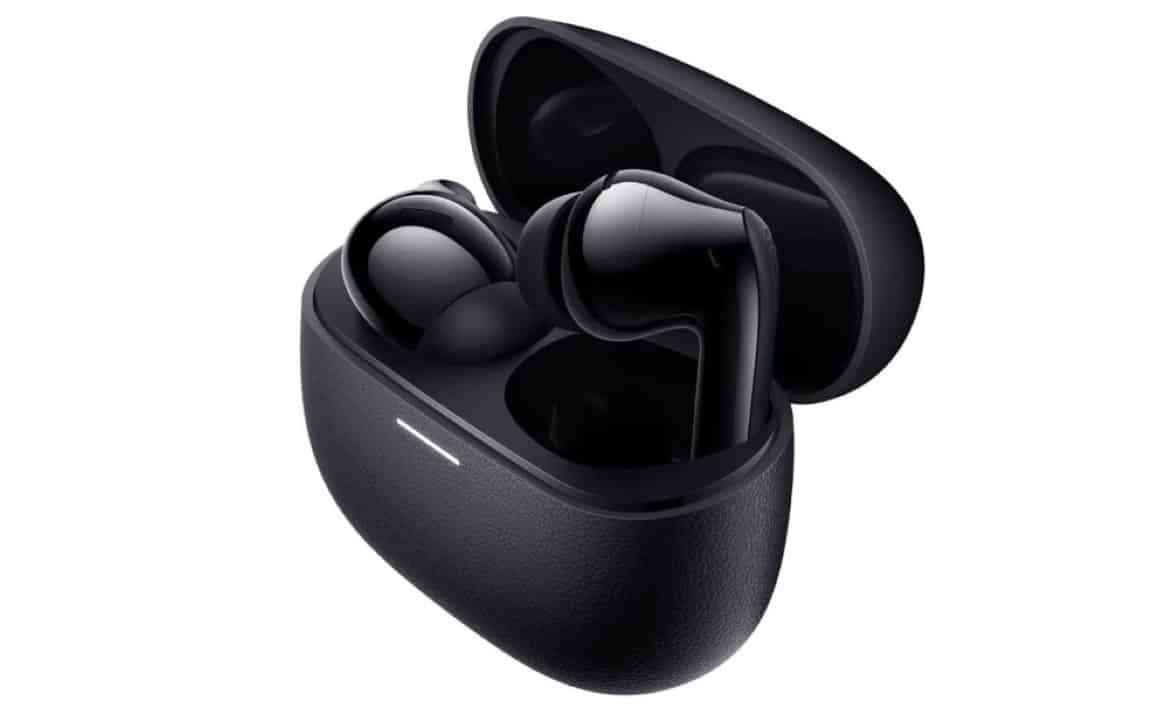
How the WhisperPair vulnerability works
The Fast Pair protocol was created by Google to facilitate the pairing of Bluetooth accessories. When you bring a compatible headset close to an Android cell phone, the system displays a notification that allows connection with just one touch, eliminating the need for manual searches in the Bluetooth settings. However, the WhisperPair flaw exploits a loophole in this communication process.
A nearby attacker can use specific equipment to intercept and manipulate transmission signals, forcing a connection with the victim’s accessory. Testes carried out by researchers demonstrated that the hijacking of the device occurs in less than 15 seconds within the standard range of the Bluetooth, which can reach approximately 15 meters in ideal conditions, without physical barriers.
Brands and models impacted by the failure
The investigation confirmed that several market-leading companies have products vulnerable to the WhisperPair flaw. Entre The main brands affected are Sony, JBL, Anker (through its line Soundcore), Google, Jabra and Marshall. The scope of the problem highlights a systemic flaw that affects different chipset implementations, even on devices certified by Google.
The list of specific models includes popular lines of in-ear and over-ear headphones. Exemplos confirmed series include highly successful commercial series such as the WH-1000XM line from Sony and the Liberty headphones from Soundcore, as well as other devices such as the Google Pixel Buds Pro 2, JBL Tune Beam, The complete list includes at least 17 tested models from ten different manufacturers.
It is important to note that other accessories that support Fast Pair may also be vulnerable, even if they have not been explicitly tested. The experts’ recommendation is that users check the individual status of each product they own, seeking information directly from the manufacturers about the application of security fixes.
Risks to user privacy
Once the malicious connection is established, the attacker gains control over essential device functions, posing a serious threat to privacy. The main risk is access to the microphone, which can be used to listen to conversations in the environment or intercept telephone calls without the victim’s knowledge. Essa capability turns a simple headset into a spying tool.
In addition to eavesdropping, the attacker can inject audio into the speakers at any volume. Essa action allows the reproduction of unwanted sounds, the interruption of audio in progress or even the transmission of misinformation directly into the user’s ear. Control over audio can be used to cause distraction, disruption, or for more malicious purposes.
In more serious cases, the vulnerability allows precise tracking of the user’s location. Dispositivos compatible with Google’s “Find Meu Dispositivo” network can be linked to the attacker’s account. Isso allows the location of the accessory, and consequently its wearer, to be continuously monitored.
The tracking works persistently, even if the primary user uses an iPhone after the initial headphone hijacking. Location is obtained through anonymous connections to nearby Android devices that are part of the Google location network, creating a surveillance system that is difficult to detect and disable.
Response from manufacturers and available updates
After the responsible disclosure of the flaw by researchers, several companies began distributing fixes through firmware updates. Esse process usually requires the user to manually install the new version of the software through each brand’s dedicated applications. JBL, for example, has started sending over-the-air (OTA) updates for affected models, and users need to access the brand’s official app to check availability and install the fix.
Anker is also developing patches for its Soundcore line, with distribution planned through its application. Logitech, in turn, integrated the fixes directly into future production units of its devices. Google has applied mitigations to its own products and the “Find Meu Dispositivo” network, although researchers have identified specific scenarios where some of these protections can still be bypassed. Outras brands, such as Sony, Nothing, and OnePlus, are investigating the issue, and new updates are expected in the coming weeks to fully protect their customers.
Consumer protection measures
Para protect yourself, the main recommendation is to keep the devices’ firmware always up to date. Users should download the official app from their headphone or speaker manufacturer and regularly check to see if new software versions are available for installation. Esta is the most effective way to ensure that security fixes are applied. For those who want to check whether their specific model is on the vulnerable list, researchers have created dedicated websites with detailed information where you can search by manufacturer and product name. Caso an immediate update is not available, a temporary measure is to perform a factory reset of the accessory. Embora this action removes existing pairings, it does not permanently eliminate the vulnerability. Como It is not possible to disable the Fast Pair function directly on the Android system, an additional precaution is to keep the Bluetooth turned off in public places whenever it is not in use, reducing the attack surface. It is also advisable to avoid leaving the accessory in visible pairing mode for long periods and monitor any strange pairing notifications on your cell phone.
Current flaw exploitation scenario
To date, there are no confirmed records that the WhisperPair vulnerability has been exploited by criminals in real attacks outside of controlled research environments. Coordinated disclosure between researchers and companies allowed for the development of fixes before the flaw could be used on a large scale, minimizing the immediate risk to the general public.



