
Apple prepares 120 Hz screen and superior camera for the iPhone 17, distancing it from the 16e model

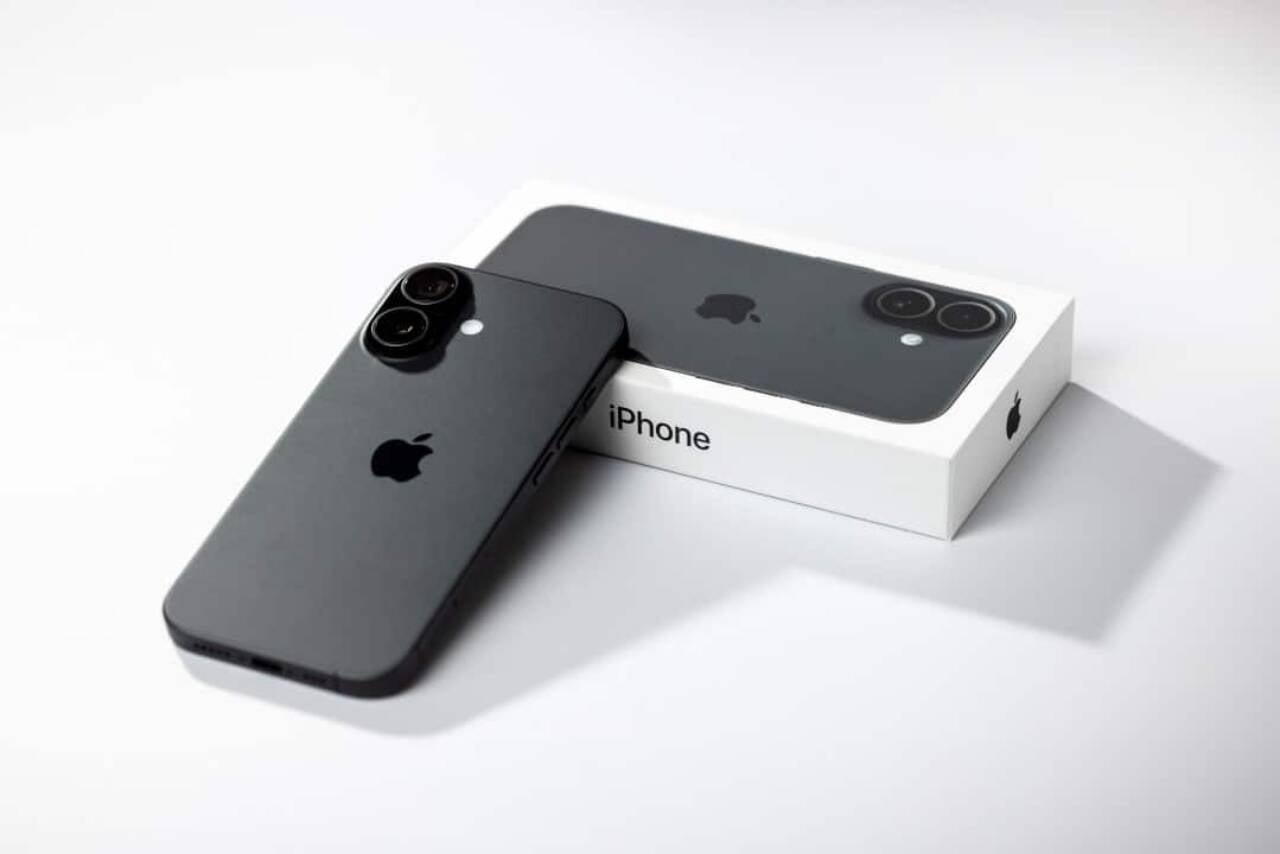
Apple is redefining its strategy for the non-Pro smartphone line with the planning of two distinct models for the next launch cycle. Fontes from the industry indicate that the company intends to launch the iPhone 17 with significant screen and camera upgrades, while a new model, called the iPhone 16e, will serve as a more affordable entry-level option, creating a clearer market segmentation.
This approach seeks to justify a more pronounced price difference between devices, offering consumers a more defined choice. The iPhone 17 will inherit technologies that were previously exclusive to the Pro models, such as the 120 Hz refresh rate screen, while the iPhone 16e will maintain more conservative specifications to attract an audience that seeks the Apple ecosystem with greater cost-benefit.
The decision reflects a change in the way the company positions its products, preventing base models from becoming just slightly inferior versions of their more expensive brothers. With the new duo, the Apple aims to serve both users who want advanced features without the full cost of an Pro, and those who prioritize essential functionality and integration with the Apple Intelligence.

The ProMotion screen as a big differentiator of the iPhone 17
The main technological advancement that will position the iPhone 17 above the 16e will be the adoption of a display with ProMotion technology, allowing a variable refresh rate of up to 120Hz. The Esse feature, previously restricted to the Pro versions, provides a noticeably more fluid user experience, with smooth animations and screen scrolling, in addition to optimizing energy consumption by reducing the frequency of static content. The panel is expected to be 6.3 inches, offering an immersive experience for media consumption and gaming. In contrast, the iPhone 16e will be equipped with a 6.1-inch screen and will maintain the standard refresh rate of 60Hz, a specification that, although competent for everyday use, represents a clear category and cost distinction. Essa differentiation is crucial to the Apple strategy, as screen quality is one of the first aspects consumers notice, making the iPhone 17 experience immediately superior and justifying its higher price positioning.
Photographic evolution to justify the investment
The camera system will be another pillar in the differentiation strategy between the new models. The iPhone 17 is tipped to receive a dual system, with an improved 48-megapixel main sensor and, for the first time in a base model, a telephoto lens, which will allow high-quality optical zoom. The Essa addition represents a significant leap forward, offering users the ability to capture detailed photos and videos from a distance, a much-requested feature that brings it closer to the Pro line.

On the other hand, the iPhone 16e should feature a simpler camera system, possibly with a single 48-megapixel main sensor. Although this camera is capable of producing excellent quality images for everyday use and social media, the absence of additional lenses, such as ultra-wide or telephoto, will limit its versatility. Essa configuration positions the 16e as a device focused on simplicity and efficiency, ideal for users who do not require a professional photography suite but still desire the image quality characteristic of the Apple.
Performance and processing under the hood
Both devices will be equipped with the new generation of Apple processors, probably from the A18 or A19 series, guaranteeing cutting-edge performance for everyday tasks and full support for the Apple Intelligence features.
However, the iPhone 17 chip is expected to come with a more robust graphics processing unit (GPU), with more cores, optimizing performance in games and video editing applications.
This small but important difference in hardware ensures that the more expensive model offers a superior experience in graphically intensive tasks, attracting gamers and content creators.
The iPhone 16e, in turn, will have a chip configured to maximize energy efficiency and deliver solid and reliable performance, suitable for the vast majority of users, without focusing on peaks in graphics performance.
Storage strategy and new price levels
Initial storage capacity will also be a key distinguishing factor. The iPhone 17 should start at 256 GB, a move that aligns it with the expectations of users who produce more high-resolution content, such as 4K videos, and use many applications.
This more generous initial configuration reinforces its status as a premium device within the non-Pro segment.
The iPhone 16e will start with 128 GB of storage, a capacity considered adequate for the average user, but which could become a limitation for those who store a large volume of media on the device. The Apple will likely offer a 256GB version of the 16e, but at a price that will be closer to the base iPhone 17 model, encouraging consumers to analyze which feature set offers the best value for their needs.
Design and other possible news
In addition to the screen and camera updates, the iPhone 17 can incorporate a refined design, with superior finishing materials and a longer battery life, with estimates pointing to up to 30 hours of video playback, a considerable increase that meets one of the main demands of consumers.
Both models should maintain the general design introduced in recent generations, including the Dynamic Island, but the iPhone 17 could feature thinner edges and unique color options to solidify its identity as the top choice for those looking for innovation without moving to the Pro line.
The role of the iPhone 16e in the Apple portfolio
The launch of the iPhone 16e marks a clear attempt by Apple to consolidate its presence in the mid-premium segment, offering a more affordable entry point to its ecosystem without compromising the core iOS and Apple Intelligence experience.




