
HyperOS leak reveals details of the new Xiaomi Pad 9 with cutting-edge Snapdragon processors


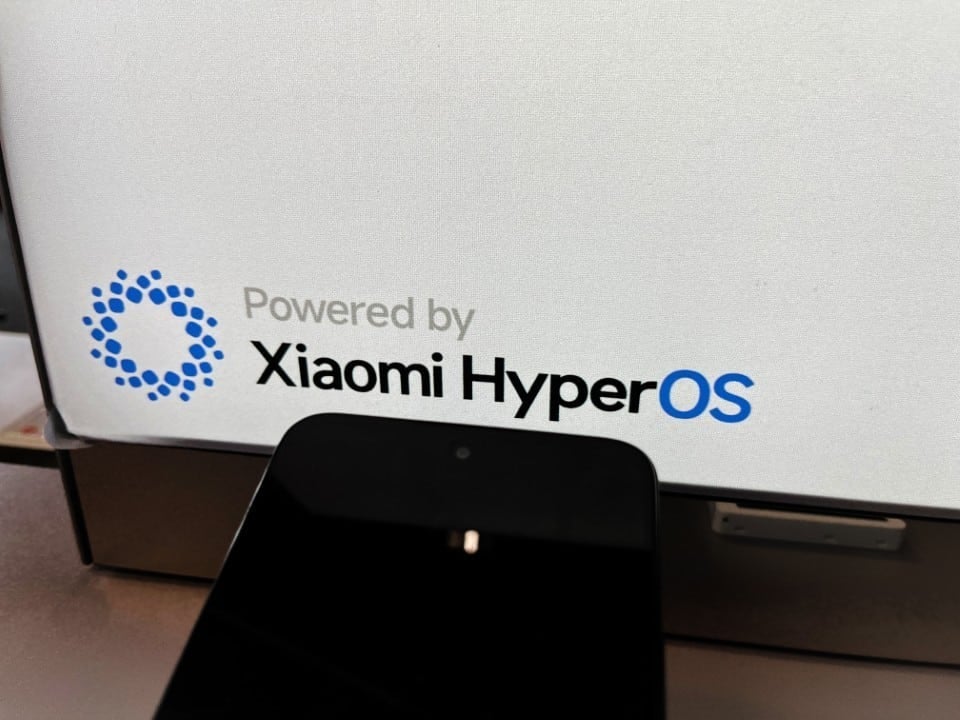
The development of the next generation of Xiaomi tablets, the Pad 9 line, is progressing at a rapid pace, as indicated by new information discovered in the source code of the HyperOS operating system. Crucial Detalhes over the standard models and Pro have been exposed, confirming the Qualcomm’s use of high-performance processors and signaling that an official announcement may be closer than expected. The appearance of the devices on the brand’s internal interface servers is a strong indication that the prototyping phase is advanced, paving the way for the start of mass production. Essa move reinforces the Chinese company’s aggressive strategy to consolidate its position in an increasingly competitive market, seeking to offer robust alternatives to products from giants such as Apple and Samsung.
The early discovery in the HyperOS files not only confirms the existence of the tablets, but also offers a glimpse of the hardware architecture that will power them. Para consumers, this translates into an expectation of a significant leap in performance compared to previous models.
Industry experts see this anticipation as a tactic to generate interest and prepare the ground for a launch that should occur in 2026, keeping Xiaomi relevant in the cycle of technological updates.
The power behind the new devices
The heart of the new Xiaomi tablet line will be formed by the latest generation Qualcomm chipsets, a choice that positions the devices squarely in the high-performance segment. The standard Xiaomi Pad 9 model will come equipped with the Snapdragon 8s Gen 4 processor, a platform designed to offer an ideal balance between processing power and energy efficiency. Esse component is capable of handling intensive tasks such as video editing and games with complex graphics, while also optimizing battery consumption for everyday activities such as web browsing and content streaming. The chip’s modern architecture also ensures support for advanced connectivity and enhanced artificial intelligence capabilities, improving the overall user experience.
The most robust version, the Xiaomi Pad 9 Pro, will receive the powerful Snapdragon 8 Gen 5. Improved graphics performance and high processing speed make the Pad 9 Pro an ideal tool for creative professionals and gamers who don’t compromise on fluidity. The inclusion of these chips represents a substantial upgrade compared to the Pad 8 series, promising a faster, more responsive and future-proof user experience.
Codenames and numbering confirm the development
The information extracted from HyperOS servers also revealed the internal identifiers of the new tablets, a crucial step that confirms the advanced stage of the project. The standard model was identified by the codename “Donghai” and the number Q82.
In turn, the Pro variant was codenamed “Shuntian” and model number Q81. Essa clear distinction between devices is fundamental to the internal organization of Xiaomi, facilitating software testing processes and production line logistics.
The presence of this data in the official databases of the company’s operating system gives high credibility to the leak, indicating that the devices are already being tested with preliminary versions of the software that will run from the factory.
State-of-the-art software with HyperOS 4
One of the biggest differentiators of the Xiaomi Pad 9 line will be the presence of the HyperOS 4 operating system, based on the Android 17, installed natively. Essa’s combination of cutting-edge software ensures that users will have immediate access to the latest security, privacy and usability features offered by Google, in addition to the exclusive optimizations developed by Xiaomi. HyperOS was designed to create a cohesive ecosystem between the brand’s different products, and its version 4 deepens this integration, especially on large-screen devices. Recursos like improved split screen, floating windows functionality and seamless connectivity with Xiaomi smartphones enable a fluid and efficient multitasking experience, transforming the tablet into a true portable workstation. Choosing Android 17 as a base also ensures greater software longevity, with guaranteed compatibility for future applications and services, in addition to a more agile update schedule.
A significant leap compared to the previous generation
Xiaomi’s strategy for the Pad 9 line demonstrates an aggressive approach as the company focuses on the successor while the Pad 8 series still completes its expansion into all global markets.
This anticipation signals the brand’s intention to not only compete, but to dictate the pace of innovation in the Android tablet segment, always offering the latest hardware.
The upgrade in processors, in itself, already represents the most significant improvement, promising significant gains in graphics capacity and energy efficiency, which should result in better battery life.
Consumers can expect a more fluid experience in heavy games and productivity applications, consolidating the Pad line as a viable alternative to notebooks for many tasks.
Featured screen and battery specs
While final details have yet to be confirmed, consistent rumors point to screen and battery specs that will put the Pad 9 line on par with the best on the market. Espera The standard model has an 11.2-inch display with 3.2K resolution and a refresh rate of 144 Hz, providing clear images and extremely fluid movements. The Pro version can go further, with a superior technology panel for even more accurate colors and greater brightness.
To support this hardware, the batteries must have a capacity greater than 9,000 mAh, ensuring long hours of continuous use, whether for work, study or entertainment. Support for fast charging technologies is also expected, minimizing the time that devices need to spend plugged in and maximizing the productivity of users who depend on the tablet throughout the day.
Strategic positioning in the market
With the Pad 9 line, Xiaomi seeks to strengthen its position in the global tablet market, a sector historically dominated by Apple and with a strong presence of Samsung. The Chinese company’s strategy continues to focus on offering premium specifications at more competitive prices, attracting consumers who seek the best value for money without compromising on performance and construction quality. The combination of cutting-edge processors, updated software and high-quality displays makes the new series a direct threat to the Galaxy Tab and iPad models.
The global launch of the devices will depend on obtaining certifications in different regions, but the robust technical basis is already defined. The debut should first take place on China, with international markets receiving the products in the following months. The Xiaomi is expected to offer multiple storage configurations and connectivity options, including advanced Wi-Fi and, possibly, versions with support for 5G networks, catering to a wide range of user profiles.
Current prototype and testing stage
Currently, the Pad 9 series tablets remain in the prototype phase, which means that some hardware details, such as camera configuration, storage options and final design, may still undergo adjustments before mass production. Xiaomi is conducting rigorous testing to ensure the stability and performance of HyperOS 4 on the new chipsets, a process essential to ensuring a flawless user experience from launch. The fact that so much information has already appeared on the company’s servers suggests that the engineering teams’ progress is ahead of schedule. Essa advance planning practice was also observed in other product lines, such as the Redmi K100 series, indicating a well-structured launch schedule for the second half of 2026.
What to expect from the design and accessories
The expectation is that the Xiaomi will maintain the line’s visual identity, with a premium design that uses a metal unibody construction. Esse type of finish not only provides durability and a sophisticated appearance, but also helps in heat dissipation during heavy use, maintaining stable performance. Além In addition, compatibility with productivity accessories should be one of the focuses. The return of an improved stylus and an official magnetic keyboard is virtually certain, reinforcing the appeal of tablets as versatile tools for work and study. Esses peripherals transform the device into a lightweight and portable alternative to traditional notebooks, something increasingly valued by professionals and students.



