
Xiaomi’s Poco F8 Pro arrives in Japan with cutting-edge Amoled screen and ultra-fast charging


Xiaomi confirmed the arrival of its newest high-performance smartphone, the Poco F8 Pro, to the competitive Japanese market. The device was designed to serve a demanding audience that seeks robust performance for gaming and productivity, maintaining the brand’s philosophy of offering advanced technology with an aggressive cost-benefit ratio.
The device integrates a cutting-edge chipset, focused on high processing capacity and energy efficiency. With an operating system interface adapted for the local audience, the smartphone promises a fluid and optimized user experience for the most popular services and applications on the Japão, reinforcing the expansion of the Poco line on the Asian continent.
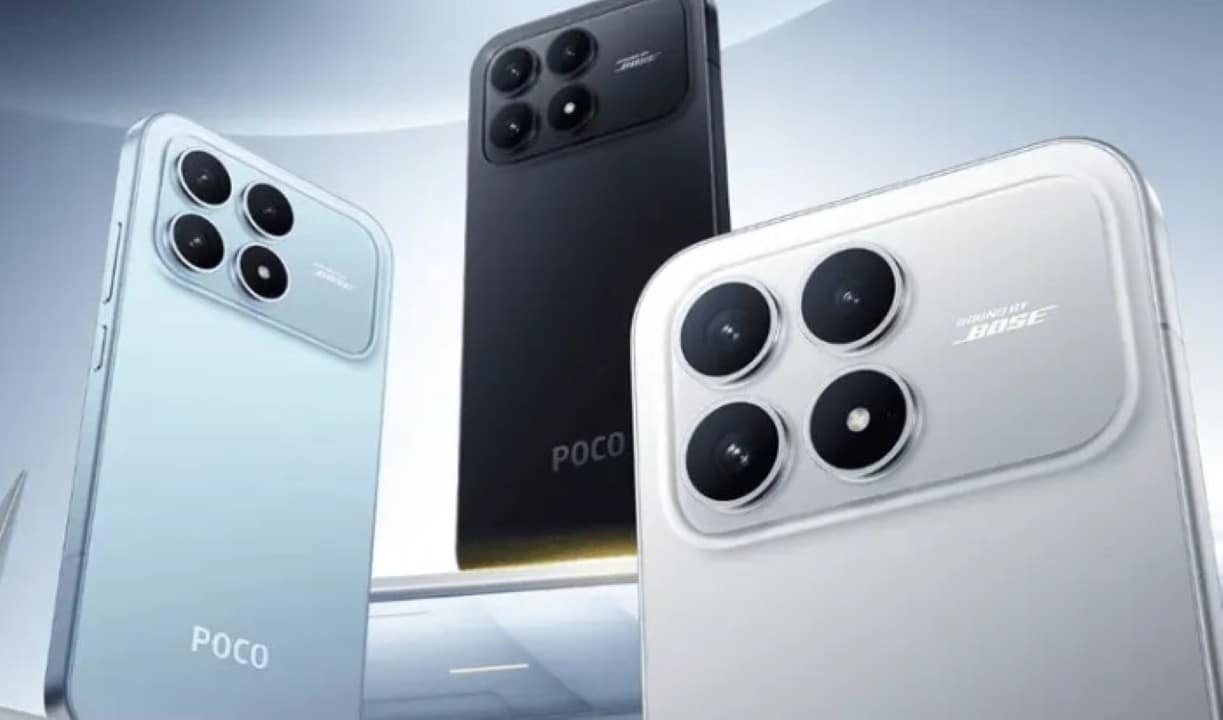
The launch strategy targets consumers who demand constant connectivity and support for generative artificial intelligence applications, a rapidly expanding field. The design of the Poco F8 Pro maintains the series’ visual identity, with a distinctive camera module and a finish that favors heat dissipation, essential for intense use sessions.
Screen specifications and visual performance
One of the main attractions of the Poco F8 Pro is its visual experience. The device is equipped with a high-resolution Amoled panel, which offers a higher pixel density, resulting in extremely sharp texts and images. The screen supports millions of colors and is professionally calibrated, ensuring exceptional color fidelity for media consumption and photo editing. Além In addition, the variable refresh rate, which can switch between 120Hz and 144Hz, ensures maximum fluidity in animations and games, dynamically adapting to the content displayed to optimize energy consumption.
The display protection technology has been updated with the most resistant versions of glass available, minimizing the risk of scratches and damage from accidental drops. The screen brightness is intelligently adjusted by 360-degree brightness sensors, which adapt the intensity to protect the user’s vision, especially during nighttime use. With significantly reduced edges, the device’s frontal usability is one of the largest in its category, providing complete immersion in videos, games and browsing.
Processing power and focus on games
At the heart of the Poco F8 Esse chipset is designed to offer not only speed but also optimized energy management, extending battery life even under stress.
To complement the processor, the smartphone has state-of-the-art RAM memory and high-speed internal storage. Essa combination allows heavy applications and files to be opened almost instantly, in addition to enabling fluid switching between multiple tasks without the need to reload background processes.
With gamers in mind, the device incorporates an advanced cooling system to prevent overheating during long gaming sessions. The experience is enhanced by a dedicated software mode that accelerates performance and optimizes touch response, ensuring maximum frame rates in competitive titles.
Set of cameras with advanced processing
The Poco F8 Pro’s photography system has been refined to deliver high-quality results in a variety of lighting conditions. The high-resolution main sensor is capable of capturing minute details and producing clear images even in low-light environments, minimizing the occurrence of digital noise.
Image processing software uses artificial intelligence algorithms to automatically identify scenarios. With this, the system adjusts parameters such as exposure, contrast and white balance in real time, allowing even users without technical knowledge to obtain professional-looking photographs.
The ultra-wide lens offers an expanded field of view, ideal for capturing wide landscapes, urban architecture and large groups of people without causing distortions at the edges of the image. The front camera has also been improved, focusing on high-definition video calls and beautification features that are very popular in the Asian market.
For content creators, the device supports video recording in 4K and 8K resolutions with optical image stabilization activated. Esse feature is key to ensuring footage remains smooth and shake-free even when the user is on the move, delivering a high-quality end result.
Energy autonomy and fast charging
The energy autonomy of the Poco F8 The Xiaomi has implemented an intelligent management system that learns the owner’s usage patterns, optimizing the power consumption of background applications to extend the component’s durability over time. The device also has extreme economy modes that keep essential functions active for several additional hours, a crucial feature for the dynamic routine of the Japanese market. The high-power charger included in the package allows the battery to reach 100% capacity in just a few minutes, while wireless charging compatibility offers extra convenience. Sistemas safety monitors the temperature during recharging to avoid any risk of overheating.
Connectivity adapted to the Japanese market
The version of Poco F8 Pro intended for Japão has been carefully adapted to local needs. The smartphone includes support for contactless payment technologies (NFC) widely used in public transport and retail in the country, facilitating daily transactions.
The communication antennas were optimized to operate with maximum efficiency in the frequency bands of the main Japanese operators, ensuring a stable 5G signal even in areas of high urban density or in underground locations, such as subway stations.
Device design and construction
The design of the Poco F8 Pro follows a minimalist line, but with the series’ striking visual identity. The construction uses premium materials that not only give it a sophisticated feel, but also aid in thermal dissipation, a critical factor in maintaining stable performance during processor-intensive tasks like heavy gaming or high-resolution video recording.
Availability and placement on Japão
The launch of the Poco F8 The device will be sold in large retail chains and on the country’s main e-commerce platforms.
Color options and storage configurations were selected based on local audience preferences, including sober tones and finishes that resist fingerprints. The packaging has also been redesigned to be more environmentally friendly, using recycled materials in line with the company’s sustainability goals.



