
Brazil intensifies surveillance against Nipah virus amid warnings from India; experts act

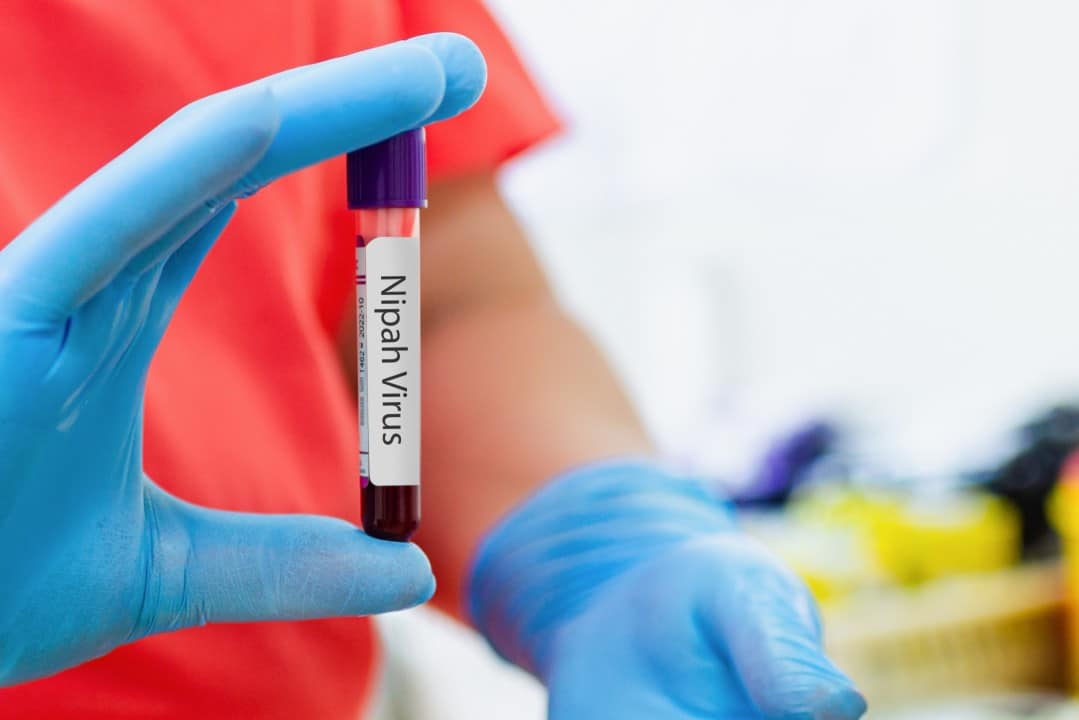
Global concern about the emergence of zoonoses led Brazilian health authorities to reinforce epidemiological surveillance protocols. Entre The pathogens that demand extra attention is the Nipah virus, a highly lethal infectious agent, originating from Sudeste Asiático and which periodically causes significant outbreaks, especially in Índia.
The international scenario, with recent outbreaks of the disease, drives the continuous review of detection and response strategies in the country. Especialistas from the public health area and researchers are engaged in assessing the risk of introducing the virus into the national territory, considering factors such as the flow of travel and the presence of potential hosts.
The severity of the disease, which can cause severe encephalitis, requires that planning include proactive and informative measures. The disease, transmitted from animals to humans, mainly by fruit bats, is characterized by:
- High mortality rate in humans.
- Variable incubation period, making initial tracking difficult.
- Potential for person-to-person transmission, especially in healthcare settings.
Given this panorama, Ministério of Saúde, together with research institutions such as Fundação Oswaldo Cruz (Fiocruz), remains on alert. Efforts focus on strengthening laboratory capacity and preparing teams to act in possible risk scenarios, aiming to protect the population and prevent the spread of such a lethal disease.
Understanding nipah virus
The Nipah virus (NiV) is a paramyxovirus that causes a serious infection, known as nipah encephalitis, in humans and animals. Sua discovery dates back to 1998, during an outbreak in pig farmers in Malásia and Singapura. Initial symptoms in humans include fever, headache, drowsiness, disorientation and mental confusion, which can quickly progress to coma and death. The fatality rate varies between 40% and 75%, depending on the outbreak and medical care capacity. The incubation period for the disease is generally 4 to 14 days, but cases have been documented with incubation of up to 45 days, which makes early detection and control of transmission difficult.
Global threat and recent outbreaks in India
Concern about the Nipah virus transcends borders due to its high virulence and the absence of a vaccine or specific treatment. Historicamente, to Índia and Bangladesh have been the countries most affected by recurrent outbreaks, with the state of family Pteropodidae, which are the natural reservoirs of the virus, or the consumption of food contaminated with their secretions.
The geographic location of the Indian outbreaks, combined with the intense movement of people between continents, raises questions about the possibility of importing the virus to other regions. Embora bats of the genus Pteropus are not found in
Brazilian surveillance: protocols and action
Ministério of Saúde of Brasil maintains close monitoring for emerging infectious diseases, and Nipah is no exception. Planos contingency and epidemiological surveillance protocols are in place, aiming for the early detection of any suspected case. The main strategy involves training health professionals in hospitals and emergency care units to identify compatible symptoms and immediately notify authorities.
Additionally, actions include border and airport control, with screening and information systems for travelers coming from regions with active outbreaks. Agility in response is crucial, and therefore, coordination between federal, state and municipal levels is constantly improved to ensure integrated and effective action if the virus is detected in the national territory.
The role of research and fiocruz
Science plays a key role in preparing against viral threats like Nipah. No Brasil, Fundação Oswaldo Cruz (Fiocruz) is at the forefront of research, dedicated to studying emerging viruses and training teams. Fiocruz’s high biosafety laboratories are equipped to perform complex diagnoses and develop new viral identification tools, essential for rapid response in outbreak situations.
Researchers at the institution are also dedicated to understanding the ecology of zoonotic viruses and the dynamics of transmission in different contexts, including analyzing bats and other wild animals in Brasil to identify potential risks. Esta preventive approach, based on scientific evidence, is vital to anticipate possible scenarios and develop mitigation strategies even before any case occurs. Collaboration with international research centers also allows the exchange of information and the continuous improvement of study and prevention methodologies.
In addition, Fiocruz works to train professionals and disseminate knowledge, ensuring that healthcare teams are updated on the latest information and practices related to the Nipah virus. Investment in research and development is a priority for public health security.
Prevention and public awareness
Preventing infection by the Nipah virus involves a series of measures that, although focused on endemic regions, serve as a general warning. Organização Mundial of Saúde (WHO) and Ministério of Saúde recommend avoiding contact with sick bats and their body fluids. In risk areas, the consumption of fruit fallen from trees, which may have been contaminated by bat saliva or urine, should be avoided or the fruit should be carefully washed and peeled before eating.
It is also crucial to avoid contact with pigs or other animals that may have been infected by the virus, especially in regions with outbreaks. Handling sick animals must be done with appropriate personal protective equipment, and meat from these animals must not be consumed. Community education about risks and safe practices is a powerful tool for minimizing exposure.
Strict personal hygiene, including frequent hand washing with soap and water, is a basic and effective measure to prevent the transmission of various infectious diseases. In healthcare settings, the use of standard infection control practices is essential to protect staff and patients against person-to-person transmission.
Public awareness of the symptoms of Nipah and the importance of seeking immediate medical attention if suspected are also critical components of the prevention strategy. An early diagnosis allows the patient to be isolated and control measures to prevent the spread of the virus, protecting the community in general.
International collaboration and scientific advancement
Combating emerging diseases like Nipah requires a global and collaborative approach. Diversos countries and international organizations work together to share epidemiological data, develop diagnostic technologies, and seek effective treatments and vaccines. WHO plays a central role in coordinating these efforts, facilitating information exchange and support for countries with limited resources.
The development of a vaccine against Nipah is a priority for the scientific community. Embora research is ongoing, there is still no vaccine available for use in humans. Advances in this field are slow due to the complexity of the virus and the need for rigorous testing to ensure safety and effectiveness. Antiviral research also seeks to identify compounds that can inhibit viral replication, offering future therapeutic options.
Continuous monitoring of the disease
Brasil’s ability to respond to future threats like Nipah fundamentally depends on continued investment in health surveillance, research and education. Manter Robust detection and reporting systems are crucial to protecting public health. Collaboration between different sectors and rapid communication of information are key elements to face the challenges posed by emerging viruses.




