
Rumors about the sale of Leica to a Chinese group do not affect secondary camera prices

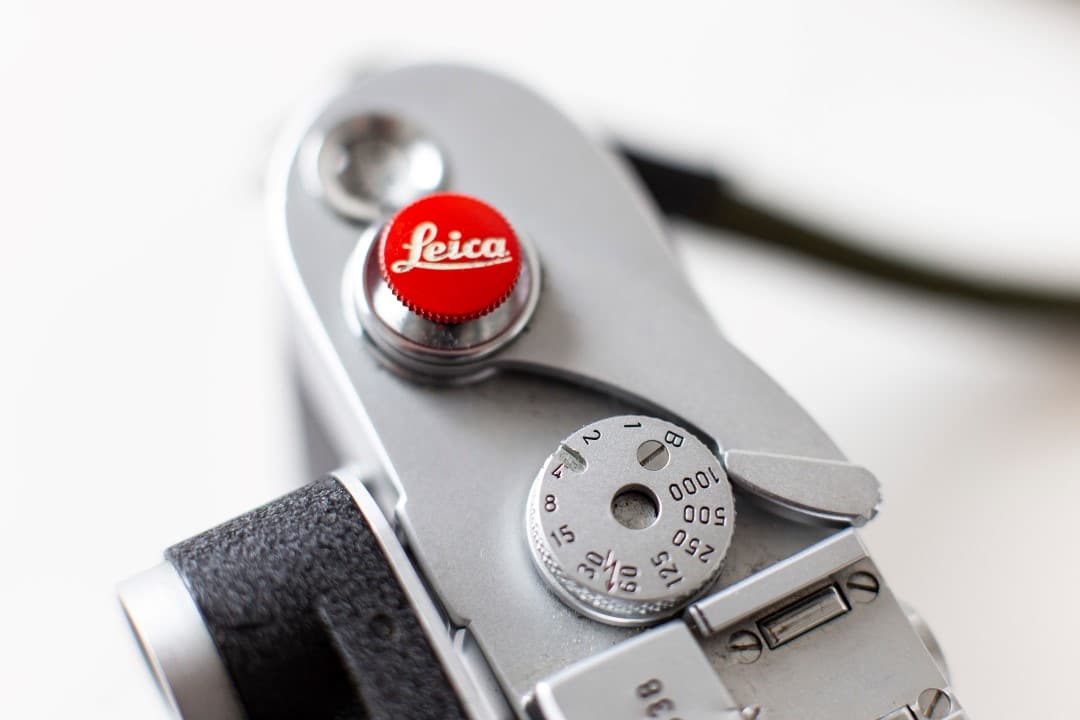
Rumors about the possible sale of control of Leica to a Chinese group have generated concerns among collectors and professional photographers. The transaction, which could reach around 1 billion euros, involves the Kaufmann family and the Blackstone fund, current controllers of the German company. Especialistas of the market state that the brand identity and its reputation for durability should maintain the resale value of the equipment.
Leica maintains technical support for old models, such as the M9, launched more than a decade ago. Outras manufacturers, such as Canon and Nikon, have already discontinued repairs for cameras from the same era. Essa policy reinforces the perception of long-term investment among users.
The Leica used camera market sees stable or rising prices for well-maintained items. Modelos classics, such as the M series, continue to be valued regardless of corporate changes.
Leica Ownership History
The Kaufmann family acquired a majority stake in Leica in 2004, saving the company from financial difficulties. At the time, the investment was around 85 million dollars to control almost the entire company. Desde then, the brand regained prestige and expanded its global presence.
In 2011, the Blackstone fund purchased 44% of Leica for approximately 130 million euros. Essa partnership helped with international expansion, especially in Ásia. The possible current sale represents a significant return for the investors involved.
Durability as a brand differentiator
Leica cameras receive official maintenance even decades after launch. The German company carries out complete repairs on equipment such as the M6 and M9, maintaining original functionality. Usuários report that revised models operate like new after technical interventions.
Unlike competitors, the Leica preserves parts and know-how for older generations. Canon, for example, no longer supports the 5D Mark II. Nikon follows a similar trend with the D700, limiting options for owners.
This approach ensures that Leica cameras maintain value on the secondary market. Fotógrafos see equipment as durable goods, similar to classic luxury items.
Existing partnerships with Asian companies
Leica already collaborates with Chinese manufacturers on several products. Modelos of smartphones from brands such as Huawei and Xiaomi incorporate optics certified by the German company. Essas partnerships demonstrate successful integration into the Asian ecosystem.
The production of optical components has been taking place in factories at Ásia for years. Muitas lenses and accessories Leica are manufactured in countries such as China and Japão. Final quality remains under strict control at the German headquarters.
These relationships prove that changes in control do not necessarily alter patterns. The brand preserves its visual and technical identity regardless of the origin of the investors.
Reasons for maintaining resale value
- Analog models such as M6 and MP maintain high prices at international auctions.
- SL series digital cameras record high demand for robustness and image quality.
- The official review (CLA) renews equipment, prolonging its useful life and attractiveness.
- Collectors value the Leica’s unique history and mechanical precision.
The secondary market responds more to scarcity and condition than to societal changes. Equipamentos well cared for rarely loses significant value.
Used camera market in perspective
The Leica resale segment is growing with interest in analog photography. Jovens photographers look to classic models for a tactile experience and unique results. Plataformas specialists show firm prices for reviewed items.
Demand for APO and Summilux lenses exceeds supply in many cases. Itens rare ones reach higher values than the original release. Essa dynamics are independent of who controls the company.
Professionals maintain Leica equipment for decades without the need for constant replacement. The lifetime purchase philosophy reinforces the perception of a safe investment.
Brand identity as a main asset
The Leica has built a centuries-old reputation based on German optical precision. Qualquer new controller would need to preserve these elements to maintain profitability. Mudanças radicals would compromise the company’s premium positioning.
The target audience values tradition and quality above rapid technological innovations. Concorrentes offers more features for lower prices, but does not replicate the Leica experience. Essa differentiation protects the value of existing products.
Investors recognize that a brand’s strength lies in its history. Alterações drastic changes would reduce appeal among collectors and professionals.
Comparison with other acquisitions in the sector
Previous cases show that brands maintain their identity after changes in control. Sony acquired division of Minolta without destroying optical legacy. Elementos classics remain present in current lines.
Changes in editing software have also not eliminated the value of older equipment. Fotógrafos continue to use classic cameras regardless of updates. The same principle applies to Leica.
Factors that support high prices
The production limit maintains artificial scarcity in the market. Leica manufactures controlled quantities of each model. Essa strategy preserves exclusivity and constant demand.
The global assistance network guarantees support in several countries. Proprietários have authorized service even on old equipment. Esse differential increases confidence in resale.
User communities exchange experiences and maintain interest in the brand. Fóruns and specialized groups reinforce the perceived value of the equipment.
The possible transaction involves experienced investors in the luxury sector. Grupos like HongShan Capital and Altor Equity Partners know premium brand dynamics. Eles would prioritize preserving the essence of Leica to maximize returns.
The premium photography market responds slowly to societal changes. Preços of used cameras reflect more physical condition and rarity. Iconic Modelos remain valued regardless of new controllers.



