
SUV sales in Spain show MG ZS leadership with Hyundai Tucson and Seat Arona close behind on the podium

The Spanish automotive market ended 2025 with a clear consumer preference, consolidating the SUV segment as the dominant force. Nesse competitive scenario, the MG ZS emerged as the best-selling sports utility vehicle in the country, reaching 23,731 registered units. Este volume represents a significant growth of 16.4% compared to the numbers recorded in the previous year.
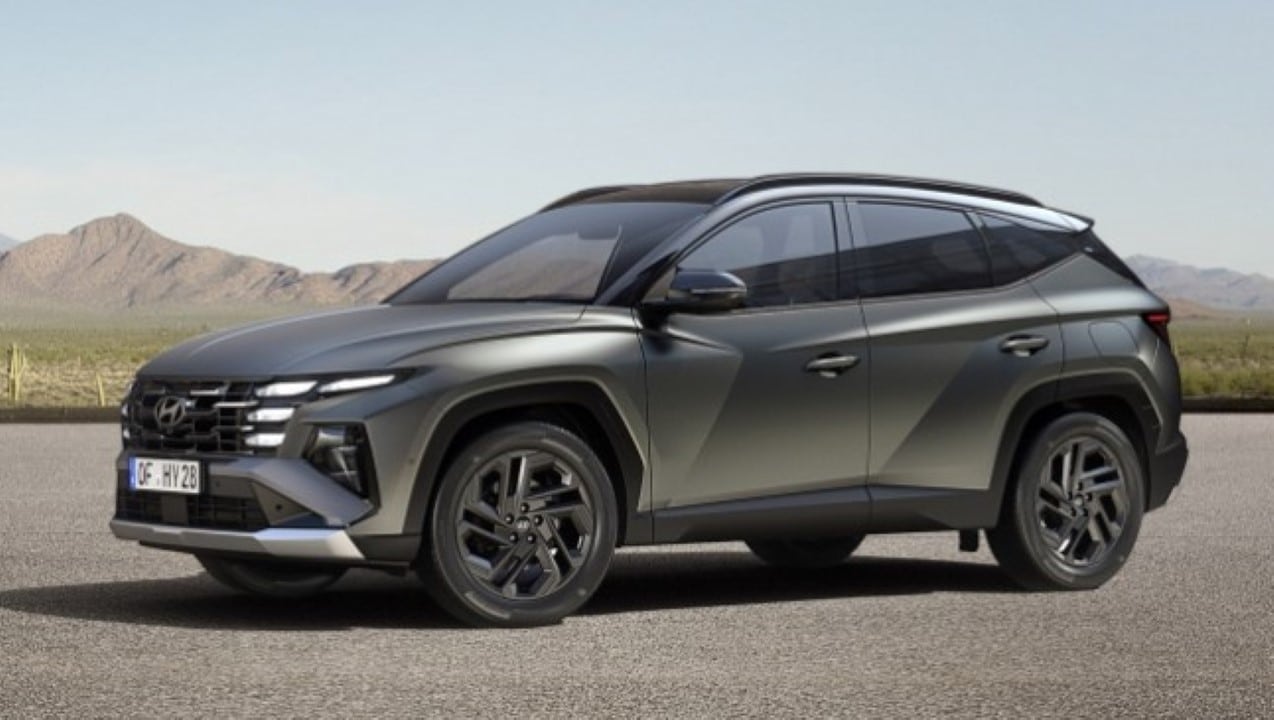
The competition for the top positions was fierce, with traditional models maintaining a strong presence. The Hyundai Tucson secured second place, closely followed by the Seat Arona, which completed the best-selling podium. Ambos the vehicles stood out for their value propositions, combining design, technology and efficient engines to attract a diverse audience.
The performance of SUVs was one of the main drivers of the sector, accounting for 62% of all passenger vehicle registrations in Espanha. The segment as a whole registered an expansion of 18%, surpassing the general growth of the market, which closed the year with an increase of 12.9%, totaling 1,148,650 units sold.

The consolidation of the MG ZS at the top
For the second year in a row, the MG ZS has asserted its leading position in the competitive SUV segment. The success of the model of Chinese origin can be attributed to a well-defined strategy, which combines an affordable purchase price with a complete equipment package, factors that resonated strongly with private buyers. The perception of excellent value for money was crucial to overcoming competitors from already established European and Asian brands. The popularity of the model is even more evident when analyzing the preference for its engines: the Hybrid+ version, which does not require external recharging, was responsible for 51.4% of total sales, totaling 12,191 units. Esse data reflects a broader trend among Spanish consumers, who seek cleaner and more economical technologies without the need to drastically change their usage and supply habits. The rise of the ZS demonstrates not only the strength of the model itself, but also the growing impact of new brands on the European market.
Hyundai Tucson and Seat Arona complete the podium
Hyundai Tucson took second place in the ranking with a total of 21,974 registrations. The South Korean model stood out for its modern and bold design, in addition to offering a wide range of engines, including hybrid options that contributed significantly to its sales volume. The Tucson attracted mainly families, who value the large interior space, onboard technology and advanced security systems.

Closing the podium, the Seat Arona registered 20,294 units sold, guaranteeing third place. Como a locally produced compact SUV, the Arona has maintained its strong appeal with urban consumers, who seek an agile, practical and stylish vehicle. The Spanish brand knew how to take advantage of its familiarity with the market to promote the model through commercial campaigns and specific updates that kept it relevant.
The performance of both models highlights the importance of different strategies. Enquanto o Tucson competes in a superior segment with a focus on technology and space, the Arona consolidates itself as an affordable and versatile option within the Grupo Volkswagen portfolio, attracting a younger audience and small families looking for a first SUV.
The performance of the main competitors
Just below the podium, the competition remained intense. The 2008 Peugeot was very close to third place, with 20,272 units sold, showing the strength of French models in the Spanish market. Sua combination of bold design and technological interior continues to attract many buyers.
The Nissan Qashqai, one of the pioneers in the segment, maintained its relevance by securing fifth position with 19,556 registrations. The Japanese model relies on its reputation for reliability and efficient hybrid powertrains to remain a popular choice among families.
Other vehicles also performed remarkably well. The Toyota C-HR, with around 18,000 units sold, and the Kia Sportage reinforced its presence in the medium SUV segment. Ambos the models benefit from their brands’ strong commitment to electrification and differentiated design.
Completing the list of models with significant sales are the Volkswagen T-Roc, which maintained a stable volume, the Renault Captur, popular among compacts, and the Toyota Yaris Cross, which stood out as one of the main options among small hybrids, reinforcing the Toyota’s leadership in low-emission technologies.
The dominance of the SUV segment in the market
Spanish consumers’ preference for SUVs reached a new level in 2025. With 714,318 units registered, the category now represents 62% of all passenger vehicles sold in the country. Esse number not only consolidates the segment’s leadership, but also indicates a structural change in the consumption profile, where versatility, a high driving position and the perception of greater safety are decisive factors when purchasing.
The 18% growth in SUV sales easily surpassed the general market average, which increased 12.9%. Esse dynamism was driven mainly by sales to private customers, which registered an increase of 18.1% and accounted for approximately 47% of total volume. Esse The public has prioritized practical, efficient models with a good equipment package, features often found in modern sports utility vehicles.
The growing trend of hybrid vehicles
Sales analysis reveals a strong market bias towards non-rechargeable hybrid (HEV) powertrains. Essa technology has become the preferred choice for many consumers as it offers an ideal balance between energy efficiency and practicality, reducing fuel consumption and emissions without requiring changes to the fueling routine or the installation of charging infrastructure.
The success of the MG ZS Hybrid+ is the clearest example of this trend, but it is repeated in several other models in the ranking, such as the Hyundai Tucson, the The appreciation of the ECO environmental label, which grants benefits such as tax exemptions and access to low-emission zones, has also been a crucial factor in driving demand for these vehicles.
General scenario of the Spanish automotive sector
The total tourism market in Espanha demonstrated a sustained recovery, closing the year with 1,148,650 registrations. The 12.9% growth compared to the previous year signals the overcoming of the challenges faced in post-pandemic periods, such as the semiconductor crisis and economic instability, indicating a return in confidence from both consumers and companies.
The strategy of the most accessible brands
The impressive performance of brands like MG highlights the success of a strategy focused on offering high added value. Essas manufacturers have conquered an important share of the market by offering well-equipped vehicles, with current technology and modern design at prices considerably lower than those of traditional European and Asian competitors.
This approach has proven particularly effective in attracting the private buyer, who is more sensitive to price, but does not compromise on comfort and safety equipment. MG’s 46.7% year-to-date growth is a testament to the power of this value proposition, which is challenging market structure and forcing established brands to re-evaluate their own pricing and product offering strategies.



