
Xiaomi reveals list of Redmi and POCO cell phones that will no longer receive security updates soon
Xiaomi has officially announced the end of its support policy (EOL – End of Life) for a wide range of smartphones from its popular brands, which include the Xiaomi itself, in addition to Redmi and POCO. The measure, which will be implemented gradually, will end the provision of operating system updates and, more critically, security packages for millions of devices sold globally in recent years, exposing them to potential vulnerabilities.
This strategic decision is part of a broader move by the company to optimize its resources and focus on developing and improving its new operating system, HyperOS. The change realigns the technology giant’s portfolio, focusing engineering efforts on the latest devices and the integration of its product ecosystem, which goes beyond cell phones.
For consumers, news demands immediate attention. The absence of security updates can leave devices unprotected against new digital threats. The change mainly affects devices launched between 2022 and 2023, which during their launch period represented a great sales success due to their aggressive cost-benefit ratio, attracting a massive user base.
Which models will be affected by the decision
The list of devices that will no longer receive support is extensive and covers entry-level, mid-range and even some high-end models from past generations. Entre devices from the main brand, the Xiaomi 12 line is one of the most notable, including the Xiaomi 12, Xiaomi 12 Pro, Xiaomi 12X and the Xiaomi 12 Lite.
In the Redmi universe, the very popular Redmi Note 12 family is the most impacted, which generates concern among a vast user base. Modelos like Redmi Note 12, Redmi Note 12 Pro and their variants are among those that will be discontinued from support.
Understand the case: Xiaomi sets 2026 as the end date for software updates on several Redmi and POCO models
The practical meaning of end of support
The end of official support means that the smartphones listed will no longer receive new versions of the Android operating system or the Xiaomi HyperOS interface. Isso implies that users will not have access to new features, performance improvements and interface optimizations that are released in the future.
The interruption of security updates is the most critical point. Sem these packages, which are released periodically to fix newly discovered flaws and loopholes, devices become progressively more vulnerable to attacks from malware, viruses and other cyber threats.
The implications for user security
The lack of security fixes makes smartphones an easy target for digital criminals. Unpatched Vulnerabilidades can be exploited to steal personal data, such as social media passwords, banking information and contacts, without the user realizing it.
Over time, the absence of system updates can also lead to compatibility issues. Novos apps or updates to existing apps may require newer versions of Android to function properly, which may prevent you from using important services and tools on a daily basis.
Learn more: End of support for six Xiaomi and Redmi cell phones has schedule and dates defined by the manufacturer
This situation can limit the functional useful life of the device, even if the hardware is still in perfect condition. The inability to run essential applications, such as banking or communication, may force the user to change devices sooner than expected.
The strategy behind the Xiaomi change
Xiaomi’s decision to end support for older models is not an isolated case in the technology sector, but rather a standard industry practice. Manter development teams dedicated to adapting and testing new software for old hardware consume significant resources, both financial and human. By establishing a clear life cycle for its products, the company is able to direct its investments towards innovation in new devices.
The main objective is to consolidate HyperOS as a unified and robust platform. The new system is the centerpiece of Xiaomi’s strategy to create a smart, connected ecosystem that encompasses not just smartphones, but also electric cars, home devices and wearables. The transition seeks to ensure that the latest products offer the best experience possible.
The focus is on ensuring that releases deliver optimized performance and cutting-edge security, which inevitably requires phasing out support for older technologies. The company seeks to encourage consumers to migrate to devices that already operate natively with the new integrated platform, strengthening its ecosystem.
This approach also simplifies software development, allowing teams to focus on a smaller number of hardware and software configurations. Isso results in faster, more stable updates for devices that continue to be supported, improving the overall experience for customers who invest in the brand’s latest technology.
More on this story: Millions of Xiaomi, Redmi and POCO cell phone users will be without official support from 2026
Schedule for the end of updates
The end of support process will not occur at once for all models. Ele is gradual and follows the life cycle of each device, which typically includes two to three major operating system updates and an additional period of security updates. Para most of the devices on the list, the major updates for Android have already finished or are in their final stages. What will continue for a while longer, until the deadline, is the provision of essential security patches for the most critical vulnerabilities.
It’s important to note that there may be slight timeline differences depending on region and device variant. For example, within the Redmi Note 12 lineup, the 4G and 5G versions may have slightly different update schedules, with the 5G version generally receiving support for a slightly longer period of time. Xiaomi maintains an official “End of Life” (EOL) page where users can view the complete and up-to-date list of devices. Owners are encouraged to check this source for accurate information about their specific model and plan their next steps.
Recommendations for affected users
Para owners of one of the cell phones whose support will be terminated, the first and most important recommendation is to check the official Xiaomi list to confirm the status of your device. Embora the device continues to function normally after the end date, it is crucial to be aware of the increasing security risks. Manter Regular backups of personal data, such as photos, contacts and documents, become an even more vital practice to prevent losses in the event of failures or security incidents. Além Additionally, users should exercise extreme caution when downloading applications from unofficial sources and clicking on suspicious links, as the system will no longer have the latest defenses against threats. In the long term, the safest option is to plan to replace the device with a newer model that receives regular updates. Isso not only guarantees data security, but also access to the latest technologies and features. For users with advanced technical knowledge, there is the alternative of installing custom ROMs, such as LineageOS, which can offer newer versions of Android. Contudo, this process is complex, can void the warranty, cause system instability and is not recommended for the general public due to the risks involved.
Comparison with other manufacturers on the market
Xiaomi’s software lifecycle policy is aligned with that of many other Android manufacturers. Tradicionalmente, most companies offered around two years of system updates and three years of security updates, especially for mid-range devices, but the market has evolved and giants like Samsung and Google have raised the bar, promising up to seven years of updates for their latest models, putting pressure on other brands to expand their support periods.
More news in News (EN)
See more → Samsung releases new system update with new features for Galaxy Watch 4 users
 Digital retail reduces the value of the Galaxy S25 5G smartphone with bank bonuses and device exchange
 Amazon’s wireless CarPlay adapter has a 50% discount and high approval ratings from drivers
 Zach Cregger’s new Resident Evil ignores games and focuses on an unprecedented story with new characters
 Rumor suggests that Nintendo is preparing a special edition of the Switch 2 with a remake of Ocarina of Time
 Apple accelerates production of the iPhone 17e and develops new Air model with dual camera system
 Epic Games platform releases twelve high-budget games at no permanent cost for PC users
 PlayStation 5 Pro price drop accelerates digital retail sales and eliminates global stocks
 New Galaxy Watch 9 firmware appears on server and confirms progress in software development
 Apple’s commemorative project tests cell phone with 1.1 millimeter edge and curved screen for 2027
 New Apple system update optimizes urgent task management for iPhone users
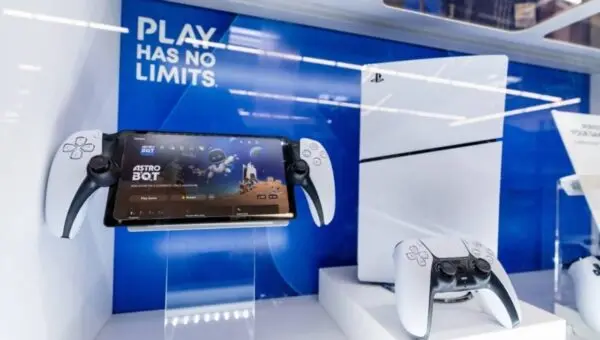 Leak details hardware of the new portable PlayStation with superior graphics to the Xbox Series S
More news on Mix Vale
- 1Colby Minifie confirms Ashley Barrett’s powers in The Boys season five
- 2Napoli x Milan in Serie A with confirmed lineups and where to watch live
- 3New battery test puts Galaxy S26 Ultra ahead of iPhone 17 Pro Max in global ranking
- 4Research reveals that parents are unaware of how their children use artificial intelligence
- 5Oppo officially launches the Find X9 Ultra worldwide with Hasselblad lenses and robust battery
- 6Tim Cook reveals new iPhone and iPod prototypes in celebration of Apple’s fiftieth anniversary
- 7New edition of foldable smartphone brings gold finish to Winter Games competitors
- 8Android system receives native Gemini Nano 4 integration for offline processing on smartphones
- 9Samsung updates QuickStar module and expands visual control of the panel in the One UI 8.5 interface
- 10Leak reveals Lords of the Fallen and Sword Art Online in April’s PS Plus Essential catalog