
Apple bets on a 120 Hz screen and improved camera to differentiate the iPhone 17 from the 16e model

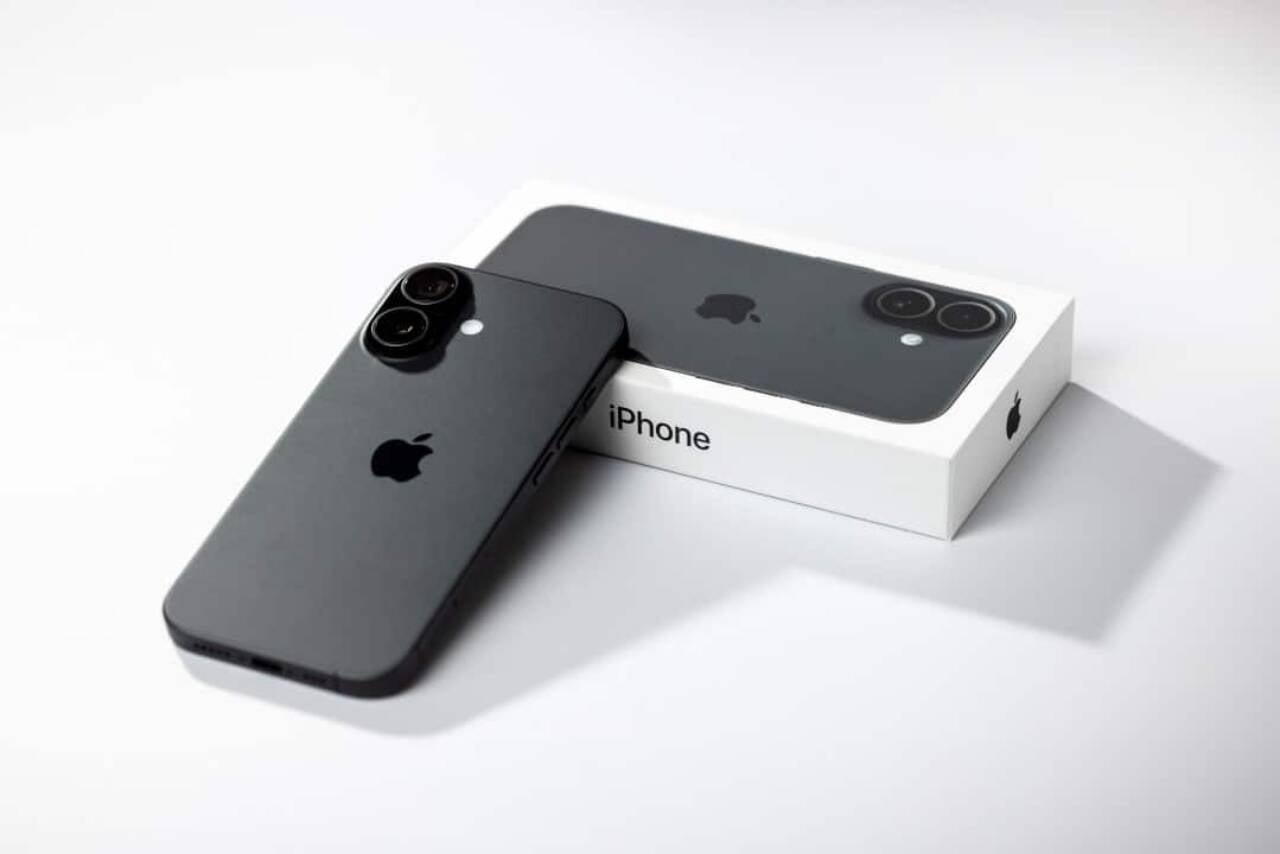
Apple plans to redefine its smartphone strategy with the launch of the iPhone 17 and iPhone 16e models, scheduled for next year. The main change lies in creating a clear differentiation between the two devices, with the iPhone 17 incorporating technologies previously exclusive to the Pro models, such as the 120 Hz ProMotion screen and a more advanced camera system. Essa approach aims to justify a significant price difference and better segment consumers.
While the iPhone 17 will be positioned as a premium option, with an estimated starting price of 129,800 yen for the 256GB version, the iPhone 16e will serve as a more affordable entry point into the Apple ecosystem. Starting at 99,800 yen for 128GB, the model will focus on maintaining solid performance for everyday tasks and full support for software features like Apple Intelligence, but with more restrained hardware.
The company’s decision seeks to serve different user profiles more effectively. The segmented strategy allows consumers who want cutting-edge technology, but not necessarily all the features of the Pro line, to find the iPhone 17 an ideal option, while the iPhone 16e is consolidated as a robust and cost-effective alternative that is attractive to a wider audience.

Technical differences between the models
The main technological evolution of the iPhone 17 will be on its screen. The device must have a 6.3-inch display with ProMotion technology, which allows a variable refresh rate of up to 120 Hz. Isso results in smoother animations, smoother scrolling, and an overall more responsive visual experience, especially in games and app navigation.
In contrast, the iPhone 16e will maintain a 6.1-inch screen with the traditional refresh rate of 60 Hz. Embora the panel offers the image quality and colors expected from the Apple, the fluidity of movement will be visibly inferior to that of its more expensive brother, becoming one of the main points of distinction for the consumer when choosing.

The leap in photographic capacity
The camera system will also be a decisive factor in the new line. The iPhone 17 is designed to feature a 48-megapixel main sensor with improved light capture and image processing capabilities. Espera This setting is expected to allow for more detailed photos, especially in low-light conditions, and improve performance in modes such as night and portrait.
The inclusion of a superior ultra-wide lens and software optimizations will ensure that the device offers versatility and image quality close to the Pro models. Isso represents a significant advancement for the standard line of iPhones, which historically inherit camera technologies with a certain lag.
On the other hand, the iPhone 16e, although it can also use a 48 megapixel main sensor, will have a simpler set. The absence of an advanced ultra-wide lens and some software modes will limit its photographic capabilities, being sufficient for everyday recordings, but without the same level of detail and flexibility as the iPhone 17.
Performance and processing capacity
Under the hood, the two models will follow different paths. The iPhone 17 should be equipped with an A19 series chip, offering a leap in performance in both the CPU and GPU. Esse additional processing power will be crucial to managing the 120 Hz screen and running more demanding apps and games with maximum efficiency.
The more robust GPU in the iPhone 17 will also ensure a superior experience in video editing and graphics rendering tasks. The expectation is that performance will be very close to what is offered in the Pro line, making the device a powerful tool for content creators and game enthusiasts.
The iPhone 16e will probably use an A18 series chip, an improved version of the previous generation processor. While the Embora offers excellent performance for most everyday tasks and full support for the Apple application ecosystem, it won’t have the same graphics and multitasking capabilities as its more expensive counterpart.
This hardware differentiation is strategic for Apple. The company guarantees that both devices run the operating system and its artificial intelligence features without problems, but reserves the peak performance for the model that carries the most recent innovations, thus justifying the additional investment on the part of the consumer.
Storage and pricing strategy
Apple will also adjust storage options to reinforce targeting. The iPhone 17 will have its entry-level version with 256 GB, a space more suitable for users who produce a large volume of high-resolution photos and videos, in addition to installing many applications and games. Essa initial capacity eliminates concerns about lack of space for most consumers, aligning the model with a more intense use profile.
The iPhone 16e, in turn, will start with 128 GB of storage, a capacity considered sufficient for a moderate user. The Apple will offer a 256 GB version for an additional price, positioning it close to the entry price of the iPhone 17, which may lead consumers to consider the cost-benefit of investing a little more to obtain the superior technologies of the more advanced model.
Exclusive design and features
In addition to the internal specifications, the iPhone 17 may bring new features in its design and features to stand out. Rumores point to the possible inclusion of a customizable Ação button, similar to the one found on the most recent Pro models. Esse feature would allow users to set up shortcuts for functions like activating the camera, flashlight or starting a voice recording, adding an extra layer of convenience and customization. Outra expected improvement is in the haptic feedback system, which can become more precise and immersive, improving the gaming experience and general interaction with the operating system. Essas small but significant hardware additions serve to solidify the perception of the iPhone 17 as a truly premium device within the standard lineup, offering a more refined and complete user experience that goes beyond simply increasing processing power or screen quality.
Improved battery life
The new chip’s energy efficiency, combined with possible software optimizations and a slightly larger battery component, should ensure that the iPhone 17 offers superior autonomy. The expectation is that the device will support a full day of intense use without difficulties, a crucial point for users who depend on their smartphone for work and continuous entertainment.



