
Cell phone comparison reveals that Moto G86 and Galaxy A56 surpass rivals in cost-benefit

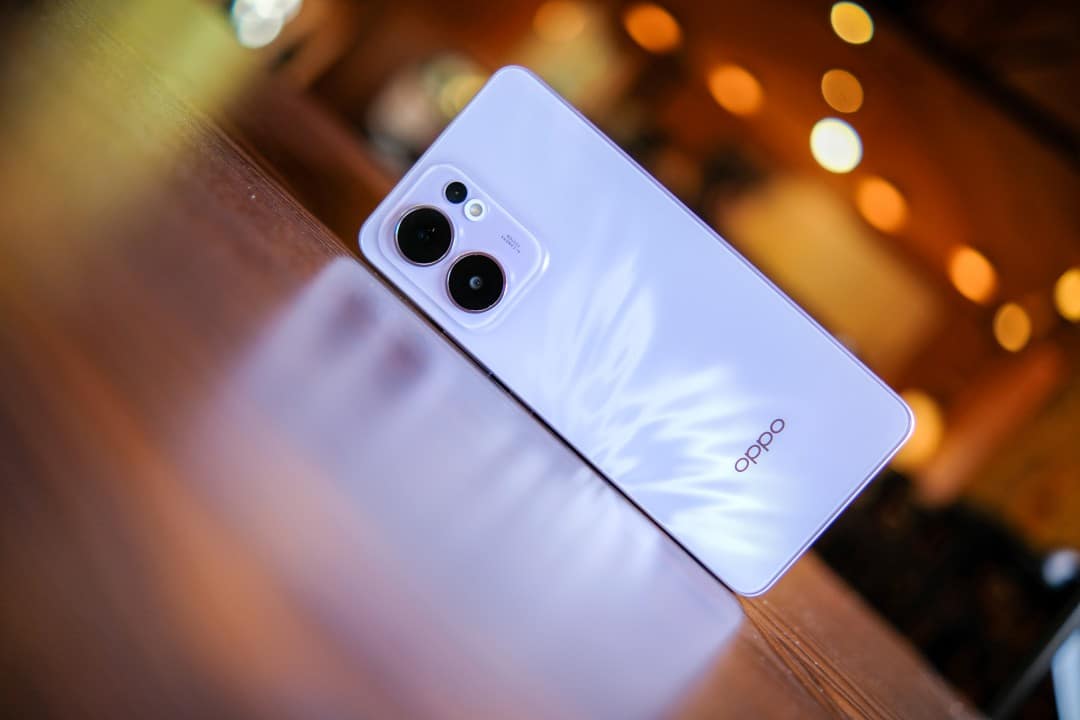
An in-depth analysis of five of the main mid-range cell phones recently launched puts the Moto G86 and Galaxy A56 models in a prominent position. The evaluation, which included devices from the brands Motorola, Samsung, Oppo, Jovi and
The comparative test evaluated multiple criteria, from the design and quality of the screen to performance in everyday tasks and games, including battery life and the quality of the camera set. Enquanto all devices demonstrated competence in their respective areas, the balance between affordable price and high performance was the decisive factor that placed the Motorola and Samsung models ahead of direct competitors such as the Oppo Reno 13F.
The competition in the intermediate segment is increasingly fierce, with manufacturers seeking to offer features that were previously exclusive to top-of-the-line models. The prices of the devices tested varied considerably, ranging from R$2,000, in the case of the Moto G86, to R$4,600 for the Redmi Note 14 Pro, showing the diversity of proposals within the same category.
Detailed design and screen analysis
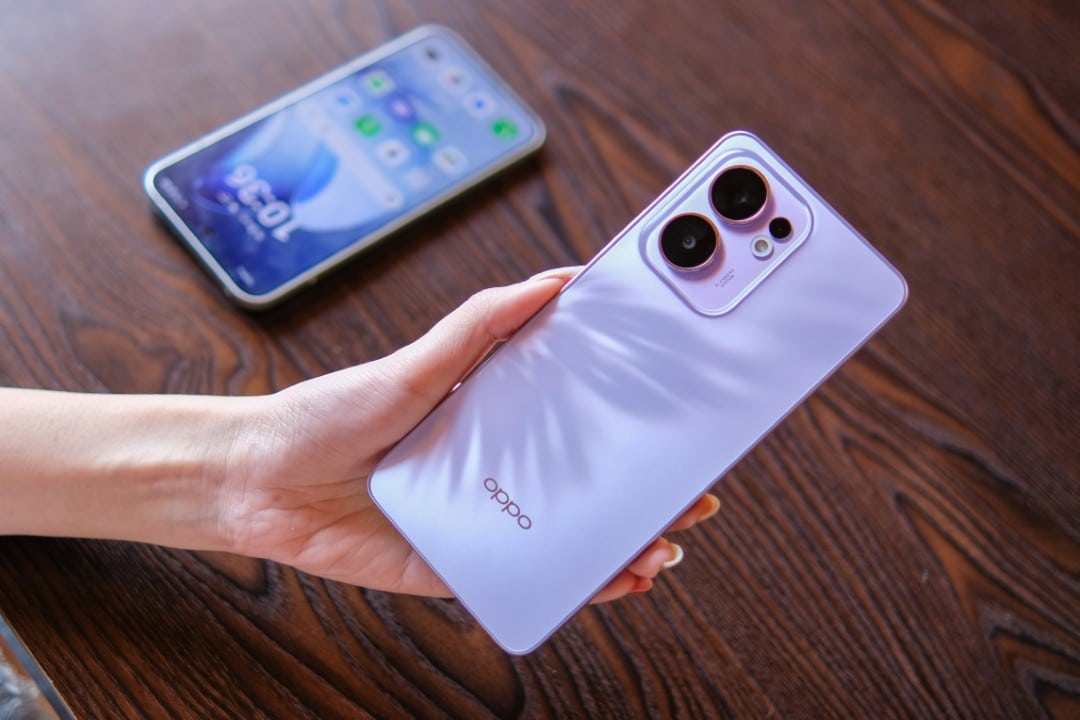
In terms of construction and visual appeal, all smartphones evaluated converge to a consolidated market standard, with large screens measuring approximately 6.7 inches and refresh rates reaching 120 Hz, ensuring fluid navigation and a more pleasant user experience. The choice of materials, however, reveals the different strategies brands use to attract consumers. Opções finishes range from practical plastic, sophisticated glass and even imitation leather for a more premium touch. The Oppo Reno 13F, for example, stands out with a lavender color version that features a different texture on the back, while the Samsung Galaxy A56 relies on a construction reminiscent of its more expensive brothers, with a glass back and aluminum edges, available in four different colors. Esses details not only influence aesthetics, but also the footprint and durability of devices in daily use.
Performance under the hood: processors and memory
When it comes to raw performance, the Moto G86 took the lead in general performance tests, known as benchmarks, which measure the device’s ability to handle several tasks simultaneously. The Galaxy A56 and the Redmi Note 14 Pro followed closely, with very close results, indicating that they are all more than capable of running demanding applications and games without difficulty. Essa performance is supported by modern processors, most manufactured with 4 nanometer technology, which offers more energy efficiency and less heating.
In the evaluation of graphic performance, essential for games, the Galaxy A56 came out on top, positioning itself as an excellent option for the gaming public. The Oppo Reno 13F came in fourth overall. Para guarantee fluidity in daily use and the ability to keep multiple applications open, all models come equipped with 8 GB or 12 GB of RAM and a standard internal storage of 256 GB. An important difference for some users is that the Motorola and Xiaomi models still have a microSD memory card slot, allowing storage space to be expanded in a cheap and practical way.
All-day battery life and plug-in speed
Battery life is one of the most important points for users, and in this regard, the Jovi V50 Lite was the undisputed champion.
Equipped with a 6,500 mAh battery, the device achieved an impressive 17 hours and 48 minutes of continuous use, leading the ranking with a wide advantage.
The Oppo Reno 13F, with its 5,800 mAh battery, recorded 12 hours and 40 minutes, a solid result and enough for a full day of intense use.
The Galaxy A56 was very close, at 12 hours and 30 minutes, demonstrating excellent software optimization to manage power consumption.
The clash of cameras: sensors and image quality
In the photography department, the competition is fierce, with four of the five models using a 50-megapixel main sensor. The exception is the Redmi Note 14 Pro, which uses an impressive 200 megapixel camera. Apesar the difference in resolution, photos taken during the day presented very similar results between all devices, with a good level of detail and vibrant colors.
The real differences appeared in low light conditions. In night photos, the Jovi V50 Lite and the Galaxy A56 stood out, offering better control of light and dark areas and keeping noise under control. Todos devices feature ultra-wide-angle lenses for photos with a wider field of view and a macro mode to capture details of nearby objects.
For selfies, the resolution varies from 12 megapixels in the Samsung model to 32 megapixels in the others, with all delivering high quality images. The zoom capabilities, both optical and digital, also proved to be competent, producing usable images even at close-up.
Long-term software durability and support
Resistance to elements such as water and dust is an increasingly valued durability factor. The Oppo Reno 13F and Moto G86 stand out by offering IP68 and IP69 certifications, the highest levels of protection available on consumer smartphones. The Galaxy A56 is not far behind, with IP67 certification, which guarantees protection against immersion in water for up to 30 minutes.
When it comes to software, long-term support is crucial to the security and life of the device. The Samsung leads the way in this regard, promising up to six major Android system upgrades for the A56. The Oppo also offers good support, with five guaranteed upgrades to the Reno 13F. Motorola reports four years of security updates for the G86, while Jovi and Xiaomi commit to three and four years, respectively.
Artificial intelligence as a differentiator
A common and increasingly relevant point among the devices tested is the integration of artificial intelligence resources. With native support for more powerful processors and pre-installation of Gemini, Google AI, the devices offer enhanced functionality, from automatic photo optimization and battery management to smarter and more proactive virtual assistants, adding value to the everyday user experience.
Comparison of prices and cost-benefit
In the final analysis of retail prices, the Moto G86 is positioned as the most affordable option, with an average value of R$2,000. Logo is followed by the Galaxy A56, costing approximately R$2,200. The Oppo Reno 13F and Jovi V50 Lite models are in the R$2,500 range, while the Redmi Note 14
The combination of solid performance, competent cameras, good battery life and a competitive price makes the Moto G86 and the Galaxy A56 the most balanced choices in the comparison. Ambos deliver a complete and satisfactory user experience for the vast majority of consumers looking for a new mid-range smartphone.



