
Sony’s new Xperia 1 VIII could arrive with 200 MP Exmor T camera and Snapdragon 8 Elite Gen 5 chip

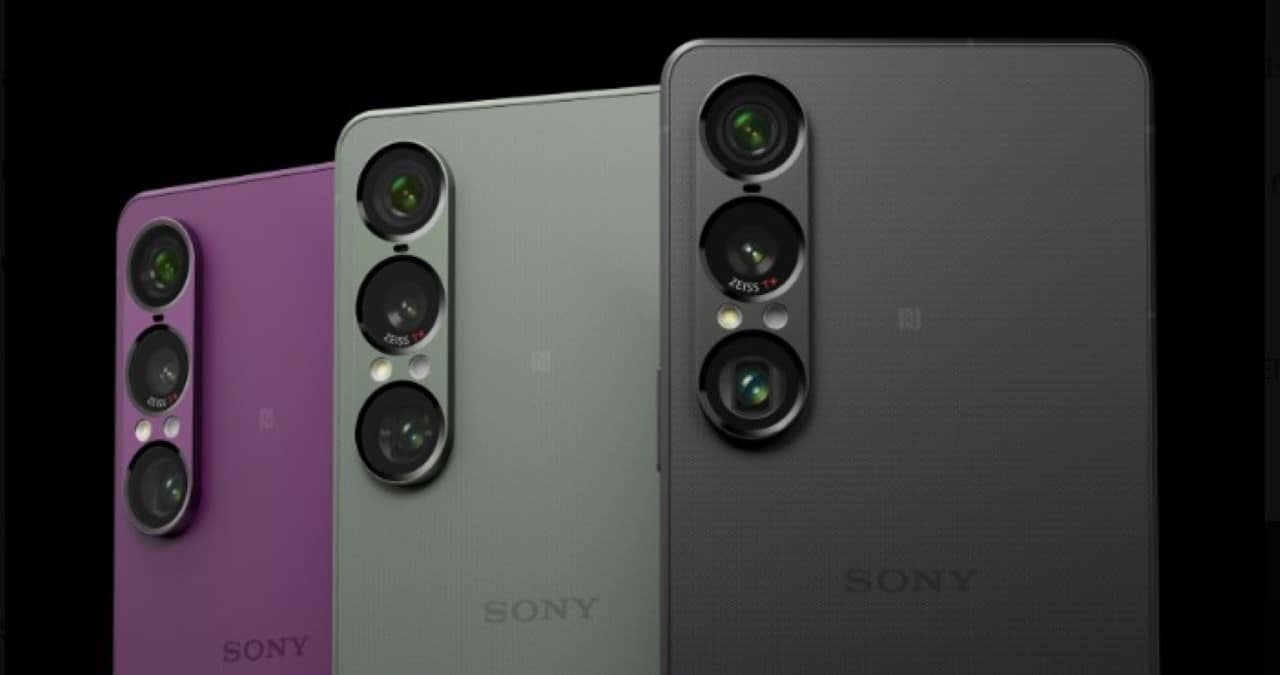
New rumors are stirring the technology market with the disclosure of possible specifications of the Sony Xperia 1 VIII, the Japanese giant’s next high-end smartphone. The information, circulating on specialized forums, points to the integration of a powerful proprietary photographic sensor and the latest generation of Qualcomm processors, signaling the company’s strong commitment to the high-performance mobile device segment.
The main highlight of the device must be a main camera with a 200 megapixel Exmor T sensor, a monumental leap compared to the 48 megapixels of its predecessor, the Xperia 1 VII. Essa change reinforces Sony’s strategy of using exclusive components developed internally, seeking to differentiate its products in a highly competitive market focused on photographic capabilities.
In addition to the camera, the device would come equipped with the Qualcomm Snapdragon 8 Elite Gen 5 chipset, promising exceptional performance not only for everyday tasks, but mainly for advanced image and video processing. The official launch is expected to take place in May 2026, maintaining the traditional annual schedule of the Xperia line.
When will Sony Xperia 1 VIII come out?
Sony Xperia 1 Lineup Track Record• Sony Xperia 1 I
Unveiled: 25 Feb 2019
Released: 30 May 2019• Sony Xperia 1 II
Unveiled: 24 Feb 2020
Released: 22 May 2020• Sony Xperia 1 III
Unveiled: 14 Apr 2021
Released: 25 Aug 2021• Sony…pic.twitter.com/AlqzBRewME
— ADOA SONY (@ADOASONY)December 2, 2025
A technological leap with the Exmor T sensor
The 200MP Exmor T sensor represents the pinnacle of Sony imaging technology for smartphones, employing a stacked pixel transistor architecture that significantly improves light capture and noise reduction, especially in dark environments. Essa technology allows photodiodes and transistors to be arranged in separate layers, optimizing space to capture more light and deliver cleaner, more detailed images. The sensor will support recording in 8K resolution at 30 frames per second and 4K at an impressive 120 frames per second, offering unprecedented flexibility for content creators and videographers. Additionally, the high native resolution allows lossless digital zooming of up to 4x, using sensor cutouts (in-sensor zoom) to maintain maximum quality, and offers pixel binning modes to generate 50 MP or 12.5 MP photos, adapting to different storage and speed needs.
Performance driven by Snapdragon 8
The heart of the Xperia 1 VIII will be the Snapdragon 8 Elite Gen 5 processor, a platform that promises to redefine the standards of speed and efficiency in mobile devices. Este chipset was designed with a focus on artificial intelligence and machine learning, which should dramatically accelerate real-time image processing, optimize battery consumption and improve the device’s thermal management during intensive tasks, such as long high-resolution video recording sessions or gaming. The chip’s advanced architecture should provide gains of up to 30% in multitasking performance compared to the previous generation, ensuring a fluid and interruption-free user experience.
While the main model receives the most advanced features, rumors indicate that the Sony will maintain a segmented strategy for its line. The mid-range model, the Xperia 10 VIII, is expected to adopt a mid-range variant of the Snapdragon series, ensuring advanced 5G connectivity and solid performance at a more affordable price. Essa approach allows Sony to compete in different market segments, offering cutting-edge technology in the flagship model and a balanced option for consumers looking for good value for money, without giving up modern features and the brand’s characteristic construction quality.
Sony’s exclusive photography strategy
The decision to use the Exmor T sensor instead of the recently announced LYTIA 901, also from Sony, is a strategic move. Enquanto LYTIA 901 will be supplied to competing manufacturers, such as Oppo and Vivo, Exmor T remains an exclusive technology of the Xperia line, creating an important competitive differentiator.
This approach allows Sony to optimize hardware and software in an integrated way, extracting the maximum potential from its components. The company prioritizes full control over the image pipeline, from sensor capture to final processing, ensuring a unique visual signature for your photos and videos.
By reserving its most advanced technology for its own devices, Sony positions itself as a brand that not only manufactures sensors for the market, but innovates for its own consumers. Isso contrasts with the approach of other companies that rely on third-party components to equip their flagships.
Secondary cameras also receive improvements
The photographic evolution of the Xperia 1 VIII will not be limited to the main sensor. The telephoto camera, responsible for zoom, should also receive a significant upgrade, abandoning the 12 MP sensor of the previous model for a new 200 MP unit with dual-layer technology.
This change will allow for a longer-range optical zoom and a higher-quality digital zoom, reducing distortions and preserving details even at high magnifications. Dual-layer technology will help deliver sharper, more stable images over long distances.
The ultrawide camera, in turn, should maintain the 12 MP resolution, but with adjustments to the software and optics to capture wider angles with less distortion at the edges. Já the front camera should be upgraded to 32 MP, improving the quality of selfies and video calls.
The set of cameras will work cohesively, with smooth transitions between lenses and consistency of colors and processing, consolidating the device as a versatile and powerful photographic tool for any situation.
Design, screen and construction of the new flagship
When it comes to design, Sony must maintain its minimalist and elegant visual identity. The Xperia 1 VIII is expected to feature a straight-sided body constructed from aluminum and glass, offering a premium and comfortable grip. IP68 certification against water and dust must also be maintained, ensuring durability and protection against accidents.
The screen will continue to be one of its strong points, with an OLED HDR panel with 4K resolution and a cinematic aspect ratio of 21:9, ideal for consuming films and series. The refresh rate of 120 Hz will ensure fluidity in games and when navigating the interface, providing an immersive, high-quality visual experience.
Launch, price and target audience
Following the brand’s traditional calendar, the official announcement of the Sony Xperia 1 VIII is expected at the spring 2026 technology events, with initial availability in the Ásia and Europa markets. The global launch should take place in the following weeks, depending on the company’s production and logistics capacity.
Industry analysts predict the flagship model’s starting price to be around US$1,200, a value that reflects the advanced hardware components and premium positioning of the product. The target audience continues to be technology enthusiasts, photographers, videographers and professionals looking for a device focused on content creation.
Commitment to software longevity
To increase the added value of the device, Sony must reinforce its commitment to software longevity. Espera The company is promising up to five years of Android operating system and security updates, extending the life of the device and ensuring that users have access to the latest features and protection against vulnerabilities for longer.



