
The conclusion of the ambitious trilogy of Final Fantasy 7
Confidence in the schedule is reinforced by significant progress confirmed by project directors. The production team has already overcome crucial steps, including defining the main script and implementing gameplay mechanics. The current focus is on polishing and optimization, phases that guarantee the final quality expected by fans of the franchise.
At the same time, Square Enix prepares the ground to maximize the range of the final launch. Informações of the market indicate that Final Fantasy 7 Rebirth, the second part, will reach other platforms like Xbox in 2026.
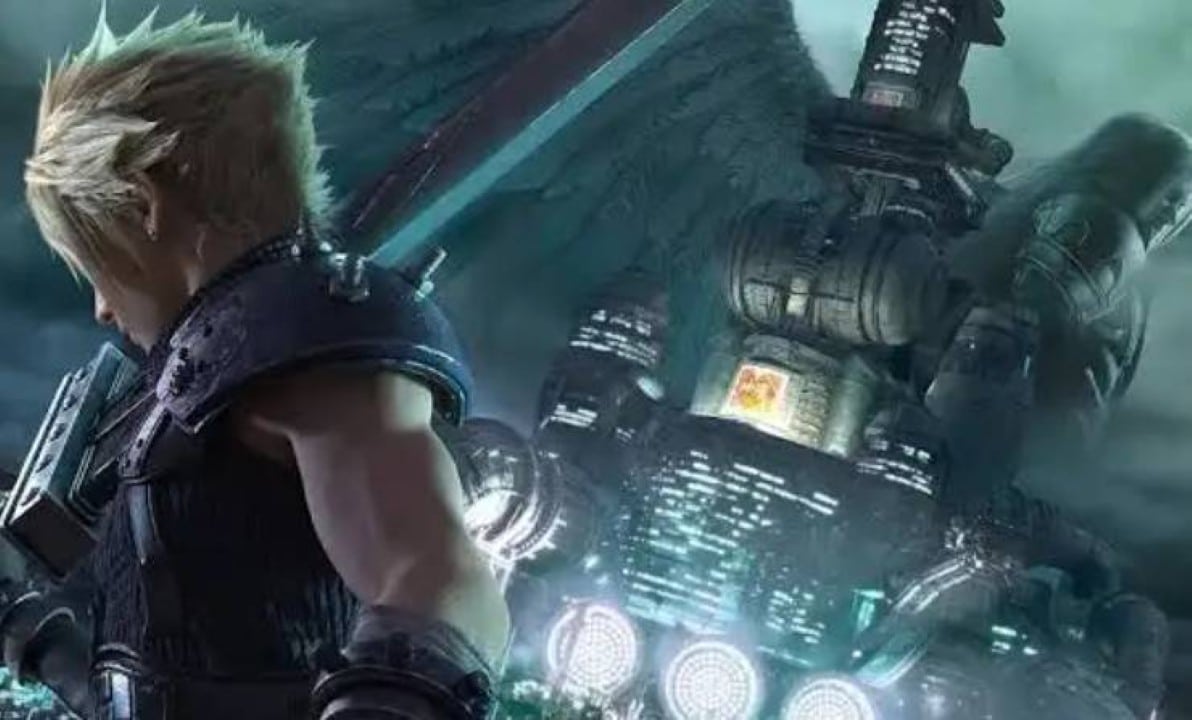
Development details and current progress
Naoki Hamaguchi, director of the trilogy, stated that work on the third part is progressing consistently and faster than previous titles. The decision to maintain Unreal Engine 4, the graphics engine used in Remake and Rebirth, was fundamental to speed up the process. The team’s familiarity with the tool avoided the learning curve that a migration to Unreal Engine 5 would require, optimizing the workflow.
Another factor that contributes to speed is the reuse of digital resources (assets) developed for Final Fantasy 7 Rebirth. Modelos of existing characters, environments and combat systems are being adapted and improved, which considerably reduces the time needed to produce new content. Essa continuity allows developers to focus on creating new areas and refining the gameplay experience.
The main gameplay is already close to completion, allowing the team to now focus on refining each aspect of the game in detail. Essa step, known as polishing, is essential for correcting flaws, adjusting balance, and ensuring that all systems work cohesively. The game’s official title has already been decided internally by Tetsuya Nomura, the project’s creative director.
The development team has also strived to avoid “crunch”, a practice of excessive overtime common in the games industry. The official statements highlight smooth, planned progress, reflecting a cultural shift within the studio to prioritize employee health without compromising the quality and creative vision of the final product.
Square Enix’s cross-platform strategy
Square Enix is taking a more aggressive multiplatform approach to the trilogy. Fontes from the industry, like insider NateTheHate, reinforce that Final Fantasy 7
This expansion is not limited to the Microsoft console. Há indicates that both parts of the trilogy could also reach the successor to Nintendo Switch, further expanding the potential audience. By making the first two games available on more consoles during the same year, the company ensures that new players can experience the complete saga before the arrival of the final chapter, which can significantly boost launch sales.
What to expect from gameplay and content
The third part promises to expand the mechanics that were well received in Rebirth. The popular card minigame, Queen’s Blood, will return in an expanded version, with more cards, opponents, and possibly deeper integration with the main narrative and side quests. The expectation is that the game will offer an extra layer of depth for players who enjoy optional activities.
The combat system, which evolved significantly in Rebirth with the introduction of synergy skills, should be further improved. With the likely inclusion of new playable characters, such as Cid Highwind and Vincent Valentine, players can expect new combinations and battle strategies, making confrontations more dynamic and tactical.
Exploring expansive environments will continue to be a pillar of the experience. The narrative will take players to iconic locations from the original game that have not yet been visited in the remake, such as Cidade from Anciãos, the rocket base from Cid and the imposing Northern Crater. The promise is of even vaster open worlds full of secrets and activities.
The significance of launching in 2027
The choice of the year 2027 for the launch does not seem to be a coincidence. The date marks the 30th anniversary of Final Fantasy 7, one of the most influential and celebrated games of all time. Lançar the conclusion of the remake trilogy during this period would be a powerful tribute to the legacy of the original title and a great marketing move. Além In addition, 2027 also celebrates 40 years of the Final Fantasy franchise as a whole, making the period even more symbolic for Square Enix. The company is known for aligning major releases with holiday dates, and this dual event would create a unique opportunity for global celebrations, potential collector’s editions, and special content that would engage veteran fans and new players alike. The conclusion of the Cloud saga at this historic milestone would cement the project as one of the biggest and most successful remakes in video game history.
Confirmations from directors and staff
Updates on development progress come directly from the main names involved in the project. Naoki Hamaguchi has been transparent about the pace of production, highlighting that lessons learned from previous games are allowing for a more efficient and predictable development cycle for the final installment.
Tetsuya Nomura, in turn, confirmed that important creative decisions, such as the title of the final game, have already been made. Embora the name is still kept secret, this internal definition signals that the vision for ending the story is consolidated, and the team works with a clear objective in mind.
Advances in narrative content
Parte 3 will be responsible for concluding all the narrative arcs started in Remake, addressing complex themes such as destiny, memory and identity. The story promises to offer answers to the big questions left open, especially regarding the fate of central characters such as Aerith, Cloud and Sephiroth, whose final confrontation is one of the most anticipated moments.
The script is in an advanced stage of polishing, with special focus on dialogue and cinematic scenes to ensure exciting performances and a satisfying closure to the heroes’ journey. The quality of voice acting and localization into multiple languages continues to be a priority for the team, maintaining the high standard set by previous games.
Technical and visual consistency of the trilogy
The decision to remain at Unreal Engine 4 aims to ensure a cohesive and consistent visual identity throughout the entire trilogy. A change of graphics engine in the last chapter could result in a break in style, something the creative team chose to avoid in order to offer a unified experience from start to finish.
