
Apple bets on ProMotion screen and superior camera for iPhone 17 and creates new price range for the model

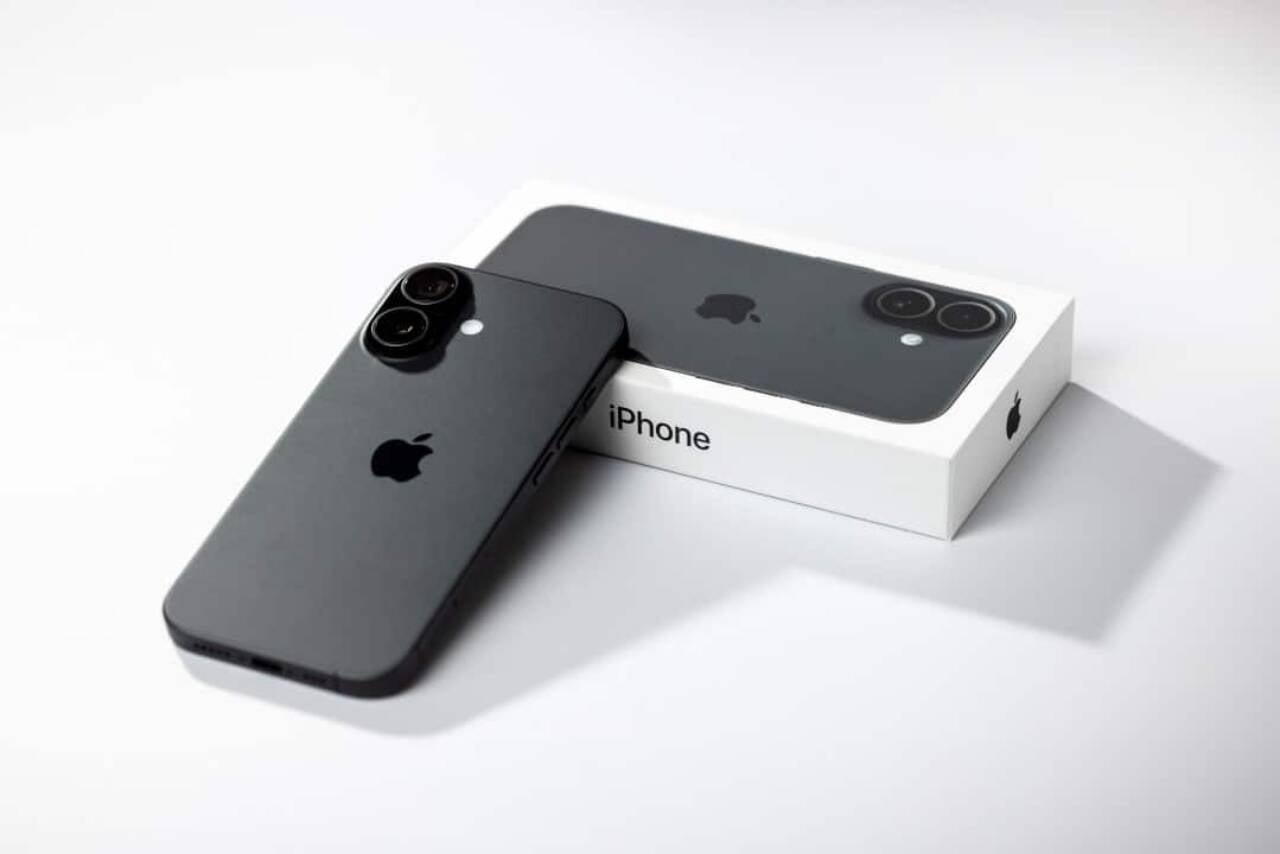
Apple is redefining its strategy for the smartphone market with plans to launch two distinct models in 2025: the iPhone 17 and a new variant, the iPhone 16e. The main change is in the clear segmentation of features, where the iPhone 17 will receive significant screen and camera upgrades, previously reserved only for the Pro models. Essa move aims to justify a steeper price difference between versions and offer consumers a clearer choice based on their usage priorities and budget.
The introduction of the iPhone 16e will act as a new gateway to the Apple ecosystem, replacing older models with updated hardware but without premium features. On the other hand, the iPhone 17 will consolidate itself as the premium standard in the line, incorporating technologies such as the 120Hz ProMotion screen and a more versatile camera system. Essa differentiation seeks to serve both users who want a reliable Apple experience and those who seek technological innovations without having to invest in the Pro Max models.
Market analysts point out that this strategy allows Apple to compete more aggressively in different price ranges. Enquanto the iPhone 16e aims to attract new users and contain the advance of competitors in the intermediate segment, the iPhone 17 raises the standard of the main line, encouraging consumers to opt for a model with more features and, consequently, greater added value.

A superior screen as the main differentiator
The most anticipated update for the iPhone 17 is the inclusion of a screen with ProMotion technology, which allows for a variable refresh rate of up to 120Hz. Atualmente, this feature is one of the main attractions of the Pro models, providing a noticeably more fluid user experience in activities such as scrolling through social media feeds, browsing the internet and, especially, games. By bringing this technology to the standard model, the Apple elevates the quality of the visual experience and makes it accessible to a wider audience. The screen, which should maintain a size of around 6.3 inches, can also receive improvements in maximum brightness and energy efficiency, ensuring more vibrant colors and greater battery life. In stark contrast, the iPhone 16e should maintain a panel with a refresh rate of 60Hz, similar to current entry-level models, establishing a clear dividing line in display quality and performance between the two devices. Essa decision reinforces the iPhone 17 as the ideal choice for users who consume a lot of multimedia content and value a more responsive interaction with the device.
Photographic evolution to justify the investment
The camera system will be another pillar in Apple’s differentiation strategy. The iPhone 17 is tipped to receive a more robust photographic set, including a 48-megapixel main sensor with significant improvements in light capture and details, especially in low-light environments. The big news, however, would be the addition of a telephoto lens, allowing high-quality optical zoom, a feature that until then was exclusive to the Pro versions. Essa enhancement dramatically expands the user’s creative capabilities, offering more versatility for portraits and for capturing distant objects without loss of quality.

On the other hand, the iPhone 16e, although it can also have a 48 megapixel main sensor, will have a simpler system, probably with just a wide lens and without advanced optical zoom features. The focus of this model will be to deliver high-quality photos for everyday use, such as social media and family records, but without the professional flexibility offered by the iPhone 17.
Performance and storage capacity
In terms of performance, both devices must present an evolution, but with processors of different generations. The iPhone 17 should be equipped with the future A19 chip, promising a leap in energy efficiency and processing power for complex tasks such as 4K video editing and graphics-intensive games. Essa performance will be crucial to support advanced screen and camera features.
The iPhone 16e, in turn, will probably use the A18 chip, the same expected for the iPhone 16 line. Although Embora is an extremely capable processor that will guarantee a fluid usage experience for most tasks, it will represent a step down compared to the new generation of chips, reinforcing the hierarchy between the models.
The initial storage capacity will also be a distinguishing factor. Especula The iPhone 17 is expected to start at 256 GB, meeting the growing demand for space to store high-resolution photos, videos and apps. Já the iPhone 16e should start at 128 GB, an adequate capacity for the average user, but which could become a limiting factor for those who produce a lot of content.
The new positioning of the iPhone 16e in the market
The creation of the iPhone 16e represents an important tactical change for Apple, aiming to fill a space in the intermediate-premium segment in a more assertive way. The Este model was designed to be a modern gateway to the brand’s ecosystem, offering an updated design and access to services like the Apple Intelligence.
The main target audience is consumers who want the security and integration of iOS, but don’t care for the cutting-edge technologies found in more expensive models. Ele is positioned as a natural upgrade for owners of older iPhones looking for a new device without a big jump in investment.
With this offer, the Apple also arms itself to compete more effectively with the mid-range Android smartphones, which have been gaining market share by offering good specifications at competitive prices. The iPhone 16e seeks to balance cost and benefit under the Apple banner.
Even with more restrained hardware, the device is expected to offer a consistent and optimized user experience, maintaining the company’s reputation for longevity and software support, factors that continue to be a strong attraction for many consumers.
Design and other possible innovations
In addition to screen and camera improvements, the iPhone 17 may feature refinements in its design. Rumores indicate that Apple may be working on a thinner and lighter chassis, using new materials that combine durability and a more sophisticated aesthetic. Pequenos adjustments, such as even smaller screen edges, can contribute to a more modern and immersive look.
Battery life is another area where the iPhone 17 can stand out. Graças to the efficiency of the new A19 chip and software optimizations, the model is expected to offer a longer battery life than the iPhone 16e. Essa advantage, combined with the other premium features, would solidify its position as a more complete device prepared for intense use throughout the day.
Pricing strategy and the future of the line
The new segmentation strategy will result in a clearer and more tiered pricing structure. The iPhone 16e will be positioned at a more accessible value, while the iPhone 17 will occupy the price range of the current entry-level model, but delivering a greater perceived value due to its updates. Isso creates a well-defined hierarchy: 16e as an entry model, 17 as a premium standard and the Pro models for the professional and enthusiast audience.
This approach allows Apple to maximize its market reach, serving everyone from the consumer looking for their first iPhone to the advanced user who demands maximum technology. By diversifying its offer, the company ensures that there is an attractive option for different consumer profiles, strengthening its leadership position in the smartphone sector and ensuring a more stable and predictable revenue stream for the coming years.
Impact on the end consumer
For the consumer, this change means more power of choice and greater clarity about what each model offers. The purchasing decision will no longer be based solely on screen size, but rather on a set of features that directly impact the daily use experience, such as screen fluidity, camera zoom quality and storage capacity. The iPhone 17 becomes the option for those who value innovation, while the 16e serves those looking for the reliability of the Apple ecosystem with a more attractive cost-benefit ratio.




