Coco Gauff’s video leak sparks intense debate about camera limits in world tennis; Novak Djokovic and Iga Swiatek lead criticism

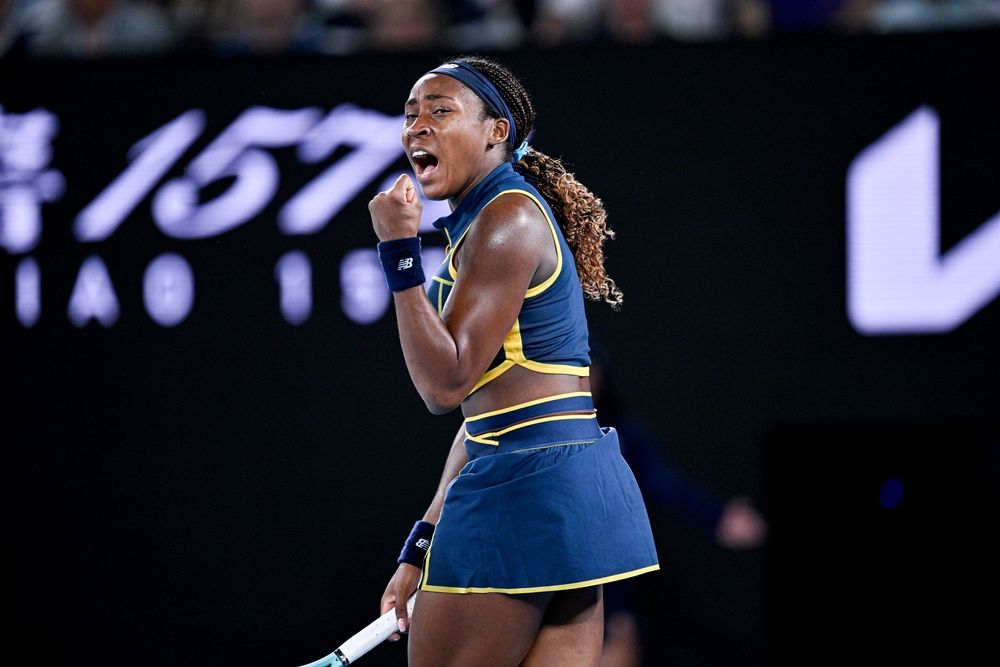
The Australian Open of 2026 became the center of an ethical and professional debate about the limits of media exposure in high-performance sport. Diversos athletes ranked Top 10th in the world rankings expressed public dissatisfaction with the ubiquity of filming equipment in the internal areas of the Melbourne Park complex. The movement gained traction after the leak of images of North American woman Coco Gauff, who had a moment of private outburst turned into viral content on social media.
The situation escalated during the press conferences held this Thursday, January 29, when the main stars of the circuit decided to break their silence about the constant surveillance. The focus of the complaints is on the network of cameras installed in corridors, rest areas and access tunnels which, according to players, violate the emotional integrity of competitors. Este scenario generated an institutional crisis between the players’ association and Tennis Australia, the entity that organizes the first Grand Slam of the season.
The images circulating worldwide show Coco Gauff destroying his racket in an isolated corridor shortly after his elimination from the tournament, which took place last Tuesday against the Ukrainian Elina Svitolina. The young athlete, current champion of Roland Garros, believed she was out of the public eye when she expressed her frustration at the defeat with scores of 6/1 and 6/2. The record was quickly shared by official and third-party profiles, generating a wave of memes and derogatory comments that upset the professional locker room.
- Increase in the number of fixed cameras in areas where circulation is restricted to athletes during the 2026 edition.
- Use of highly sensitive microphones that capture private dialogues between coaches and players.
- Transformation of moments of human vulnerability into digital entertainment products without prior consent.
- Commercial pressure from broadcast rights holders for exclusive behind-the-scenes content in real time.
Novak Djokovic says he empathizes with Coco Gauff, ‘It’s really sad that you can’t move away anywhere and hide and smoke out your frustration…
—The Tennis Letter (@TheTennisLetter)January 28, 2026
“I see with what happened with Coco after her match.pic.twitter.com/HNxQQrBpGM
Immediate reactions from the leaders of the world circuit
The Polish Iga Swiatek, current leader of the women’s ranking, was one of the most incisive voices when questioning whether athletes are being treated as professionals or as attractions in a human zoo. The tennis player emphasized that, although field work and press conferences are public in nature, the process of emotional decompression should be respected by the organizers. Para Swiatek, the obsession with capturing every step of players crosses a dangerous border that affects the mental health of those under extreme competitive pressure.
Novak Djokovic also used his time in front of the microphones to make fun of the situation, stating that the current generation prioritizes content above basic human decency. The Serb expressed surprise at the fact that there are still no recording devices in the showers, showing his dissatisfaction with the commercialization of every second of an athlete’s life in the complex. Ele argues that connection with fans should not be built at the expense of competitors’ dignity and personal space in their moments of defeat.
Tennis Australia’s official position on the filming
The managers of Australian Open issued an official note defending the maintenance of the monitoring system as an essential engagement tool for new generations of viewers. The organization claims that modern fans demand greater proximity to their idols and that behind the scenes offers a more complete narrative of the sporting competition. However, the entity recognized the need to review the location of some lenses to ensure that athletes’ comfort is not completely compromised during the event.
Tennis Australia stated that it will seek a balance between commercial marketing needs and the psychological well-being of players for the next rounds of the tournament. Apesar of the revision promises, the camera structure remains active in accordance with the transmission contracts in force with international television networks. The organization reiterates that athletes are aware of the rules for participating in the Grand Slam, which include the provision of images in common areas of the Melbourne sports complex.
Details of the incident involving tennis player Coco Gauff
The central episode of the crisis occurred in the tunnels that connect the main court to the physiotherapy rooms, a place considered by many to be a safe haven. Coco Gauff, visibly shaken by her below-expected performance against Svitolina, sought isolation to process her early elimination from the tournament. The security camera, which has high definition technology, captured the exact moment in which the American woman repeatedly struck the ground with her work equipment.
The immediate repercussion on digital platforms divided opinions between sports enthusiasts and professionals in the category, who came to the player’s defense. The fact that the video was edited and tracked for entertainment on social media was what most angered Gauff’s colleagues on the professional circuit. Jogadores of different nationalities started a silent protest movement, avoiding areas where the presence of cameras is more noticeable as a way of signaling collective discontent.
Impact on athletes’ training and preparation routine
Tennis players began to change their habits within Melbourne Park to prevent moments of fatigue or technical discussions from being recorded. Treinadores report that strategic conversations now take place in closed spaces or in extremely low tones to circumvent the ambient microphones spread throughout the club. Essa change in behavior alters the natural dynamics of the tournament, creating a climate of distrust between competitors and the event’s media production team.
Jessica Pegula reinforced that what happened to Gauff is a repetition of previous incidents involving other players, such as Aryna Sabalenka in past seasons. The American argues that athletes should have the right to suffer their defeats in peace, without it becoming a topic of global discussion in a matter of minutes. The lack of a clear protocol on what can and cannot be filmed off the court is the main point of contention that the players’ association intends to take to the negotiating table.
History of tensions between technology and privacy in tennis
The introduction of 360-degree tracking and filming technologies has been a growing trend over the past five years at all major tennis tournaments. Embora bring benefits for performance analysis and arbitration transparency, use for pure entertainment purposes is met with resistance. In the past, similar debates have occurred during US Open, but the scale of criticism at Melbourne in 2026 suggests a breaking point in athlete acceptance.
Tennis players’ image rights contracts are complex and often give tournament organizers wide latitude within official venues. Tennis players’ representatives argue that the clauses need to be updated to reflect the reality of social media, where a short clip can have disproportionate consequences for a young athlete’s career. The privacy discussion at Australian Open should serve as a precedent for the season’s upcoming tournaments, including Roland Garros and Wimbledon.
Security measures and monitoring at Melbourne Park
The sports complex in Melbourne is one of the most technologically advanced in the world, with hundreds of cameras for public security and logistics. The integration of these security images into official broadcast packages is what has generated the current controversy on the international scene. Técnicos broadcasters state that the cameras are necessary to guarantee the integrity of the event, but admit that the editorial use of these images is a decision of the production management.
Athletes’ safety is also a concern, as constant filming reveals routines and schedules that can be inappropriately exploited. Representantes of private security suggest that too many cameras can, ironically, create new risks by documenting every detail of elite competitors’ movements. The debate in 2026 marks a moment where surveillance technology collides head-on with the individual right to anonymity in spaces that should be restricted to professionals.
Future of behind-the-scenes coverage at major sporting events
Sports leagues around the world are closely monitoring the development of this tennis crisis to adjust their own coverage policies. The “all access” model has been very profitable for documentaries and streaming series, but the reaction to Melbourne indicates that the protagonists are reaching their limit. Especialistas in sports ethics believe that new agreements will need to include total media exclusion zones to preserve the emotional health of elite athletes.
The tendency is to establish specific times and locations for behind-the-scenes filming, abandoning the uninterrupted surveillance model that currently predominates. Players require that any content generated indoors undergo curation or prior approval to avoid unnecessary exposure. The outcome of meetings between tennis players and Tennis Australia in the coming days will set the tone for the relationship between the media and athletes for the remainder of the decade.
Mental health considerations and competitive pressure
The incident with Coco Gauff reiterates the psychological fragility that young talents are subjected to in an environment of high performance and global scrutiny. Mental health has become a central pillar of discussions on the professional tennis circuit, and the invasion of privacy is seen as an aggravating stress factor. Permitir that athletes have moments of frustration without the camera on is seen by experts as a necessary step to maintain emotional balance during the two intense weeks of a Grand Slam.
The pressure to be a role model every second of the day is considered unrealistic and inhumane by many sports psychologists who work on the circuit. The right to make mistakes and express negative emotions, away from the lens, is fundamental to the healthy processing of defeat in competitive sport. The tennis community is now awaiting a concrete response from the international federation to protect players from future exploitation of their privacy at critical moments in their careers.