
Development of part 3 of Final Fantasy 7 Remake advances with release window for 2027


Development of the final chapter of the Final Fantasy 7 Remake trilogy is progressing at a rapid pace, with increasingly solid projections pointing to a 2027 release. The company appears to be orchestrating a strategic timeline to maximize the reach of the saga before its conclusion.
This move includes the expansion of the first two games to other platforms. Rumores reinforced by industry sources suggest that Final Fantasy 7 Rebirth will reach Xbox in 2026, following in the footsteps of the first part, which has already been made available to more players. The strategy aims to unify the fan base and allow new audiences to experience the full story before the third title debuts.
The choice of the year 2027 is no coincidence, as it marks the 30th anniversary of the release of the original Final Fantasy 7, a significant milestone for the franchise. Square Enix has a history of celebrating commemorative dates with major releases, which strengthens the expectation that the conclusion of the trilogy will be the main event of the celebrations.
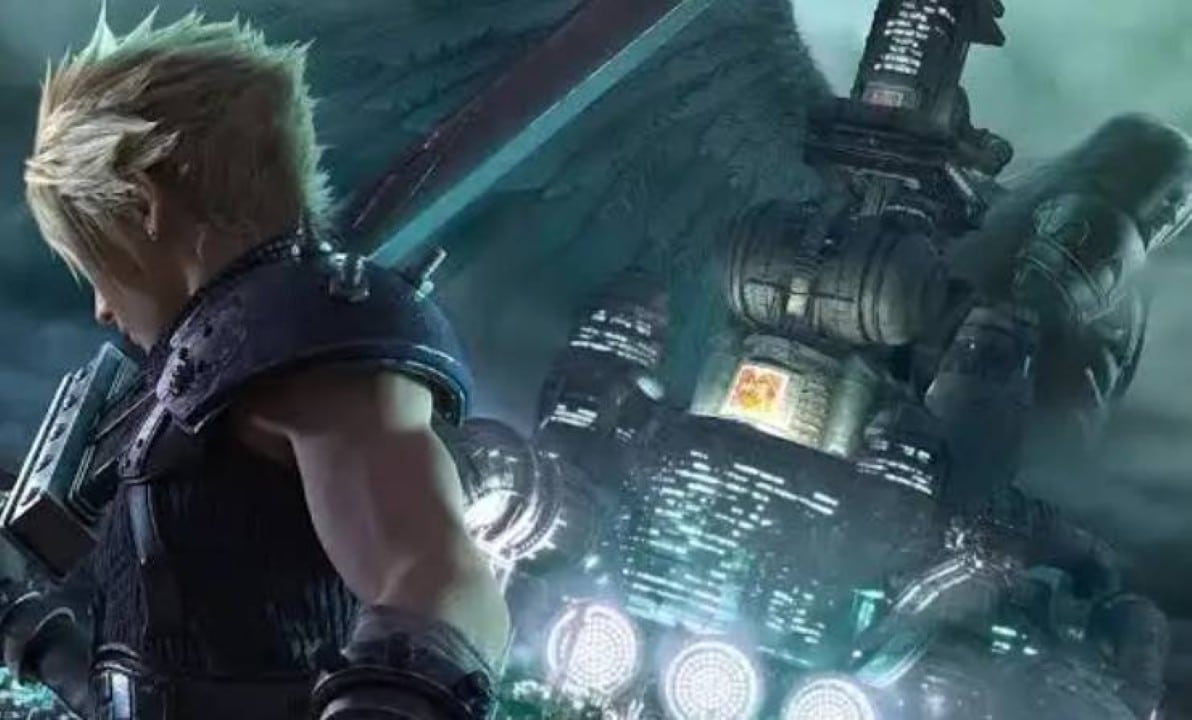
Advances in development and focus on quality
Naoki Hamaguchi, director of the trilogy, confirmed in recent interviews that the development of the third part is significantly advanced. The basic gameplay structure has already been finalized, and the production team is now focusing on the polishing and content refinement phase. Esse stage is critical to ensuring the final product meets the original creative vision and high quality standards expected by fans. The reuse of assets from Final Fantasy 7 Rebirth, such as character models and combat systems, is a key factor that contributes to accelerating the process, reducing the production cycle compared to previous games.
An important technical decision was to maintain Unreal Engine 4 as the project’s graphics engine. Hamaguchi explained that the team’s familiarity with the tool allows for a more agile and efficient workflow. Embora to Unreal Engine 5 offers newer technologies, migration would require adaptation time that could compromise the schedule. Manter UE4 ensures visual consistency across the entire trilogy, creating a cohesive experience from the first chapter to the last. Popular Elementos introduced in Rebirth, such as Queen’s Blood minigame, will also receive improvements and expansions, with greater integration into the main narrative.
Multiplatform strategy gains strength
The arrival of Final Fantasy 7 Rebirth on other platforms in 2026, such as Xbox, is a step calculated by Square Enix. The company seeks to expand the saga’s audience as much as possible, ensuring that players in different ecosystems can follow the journey of Cloud and his companions. Essa expansion may also include the next Nintendo console, consolidating the presence of the trilogy on the main consoles on the market.
This approach differs from the timed exclusivity model seen in initial PlayStation releases. The preparation indicates that the third part could be the first title in the trilogy to have a simultaneous release on multiple platforms, including PlayStation, Xbox and PC. Tal decision would be in line with current trends in the gaming industry, which value global and accessible releases for a broader player base.
The trilogy’s trajectory began with Final Fantasy 7 Remake in 2020, initially for PS4, followed by Final Fantasy 7
Trilogy chronology and important milestones
The production interval between games in the trilogy follows a pattern of approximately four years. Final Fantasy 7
Details about the new chapter continue to emerge gradually. Tetsuya Nomura, creative director, has already internally defined the official title of the third part, although the public revelation should take place at future events. The management team has emphasized that progress is being achieved in a sustainable manner, avoiding excessive crunch so as not to compromise the quality of the game or the health of the developers.
This approach reflects lessons learned from previous large-scale productions, where tight deadlines resulted in intense pressure on teams. By adopting more careful planning, Square Enix seeks to ensure that the final chapter is not only grand in scope, but also technically sound and polished upon release.
The fan community follows each new piece of information with great interest, and discussions on forums and social media reflect growing optimism. The strategy of releasing ports in 2026 is seen as the ideal preparation for the player base to be fully engaged and ready for completion in 2027. The outcome of narrative arcs left open in Rebirth, especially the fate of central characters like Aerith and the complex relationship between Cloud and The evolution of the combat system is another point of great interest, with the promise of expanding the synergy mechanics introduced in the second game and possibly adding new playable members to the group, further deepening the strategic dimension of battles.
Preparation for the franchise’s anniversary
The year 2027 represents a double milestone for Square Enix. Além of the 30th anniversary of Final Fantasy 7, the main series will celebrate 40 years of existence. The company is expected to plan global events and actions to celebrate both dates, and the launch of the final part of the Remake trilogy would be the highlight of these celebrations.
The Final Fantasy 7 recreation project has revitalized interest in the franchise around the world, with combined sales of the first two installments exceeding initial expectations. The conclusion of the trilogy has the potential to cement that legacy, delivering an experience that honors the source material while surprising veterans with new narrative twists.
Technical and visual details in focus
Maintaining Unreal Engine 4 guarantees a unified and consistent visual identity throughout the saga. The development team is focused on optimizing performance on a variety of hardware, considering simultaneous development for Xbox, PlayStation and PC from the beginning. The expansive environments that have become a hallmark of the Remake series are set to return on an even larger scale, including iconic locations such as Cidade from Anciões and Cratera from Norte, with open-world exploration remaining a central element of the gameplay experience.



