
Fiat announces new entry model for Europe with mission to displace the popular Dacia Sandero

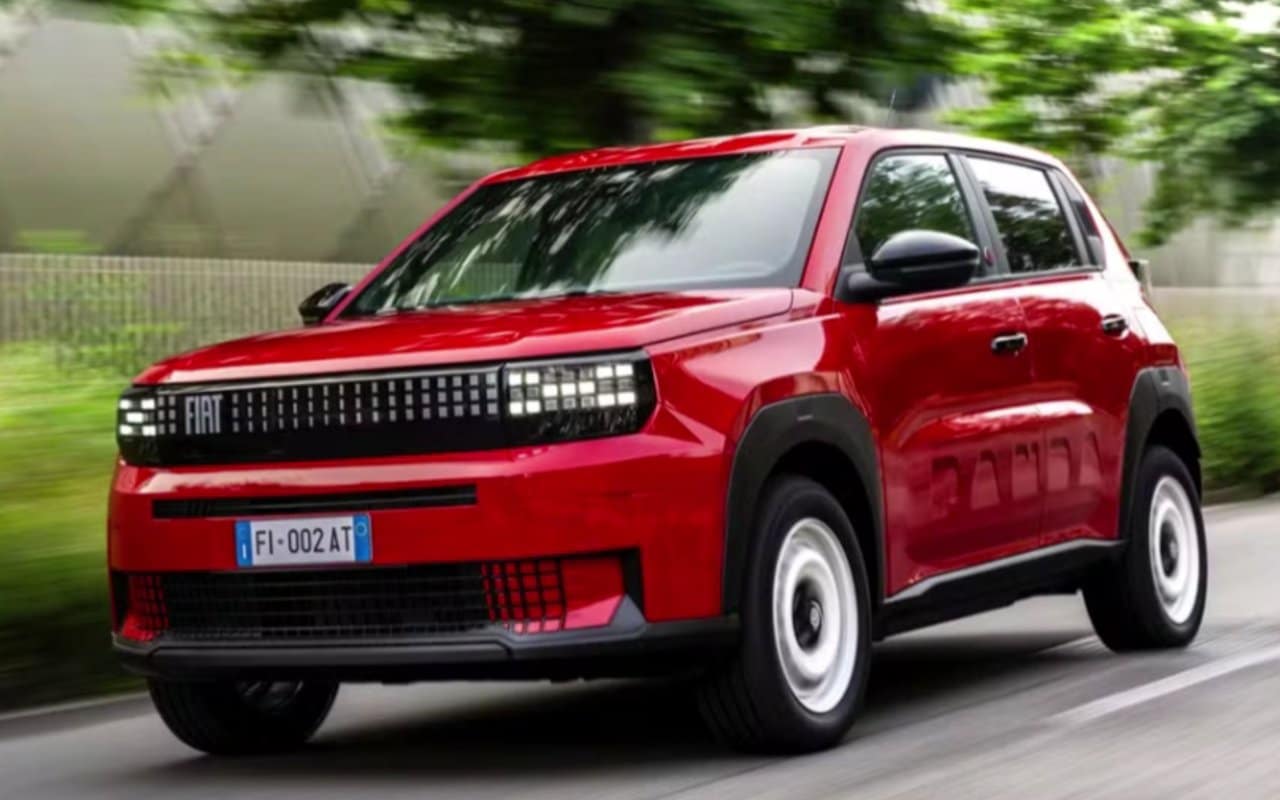
Fiat is in the process of developing a new entry-level vehicle, with the aim of consolidating its position in the affordable car segment at Europa. The initiative, confirmed by the brand’s CEO, Olivier François, intends to launch a model that will be positioned below the recently presented Grande Panda, taking on the role of a true “cheap car” for the European consumer. The launch is scheduled for 2027, promising to shake up the compact market.
This new project is treated as a high priority within the company, forming part of a broader strategy by Fiat to revisit its origins and focus on offering practical and affordable vehicles. The objective is to offer a competitive alternative to brands that dominate the entry-level sector, such as Dacia. The expectation is that the initial price of the model will be less than 15 thousand euros, seeking to get closer to the value of the Dacia Sandero.
Fiat’s new bet on the European entry segment
The confirmation of an even more affordable model than the Grande Panda reflects Fiat’s commitment to regaining the low-cost car market in the Europa. The brand seeks to fill a strategic gap, offering a vehicle that becomes the true starting point for new customers, in a similar way to the role that the Mobi plays today in the Brazilian market. Este strategic move positions Fiat to compete directly with rivals who have benefited from demand for more fuel-efficient vehicles for years.
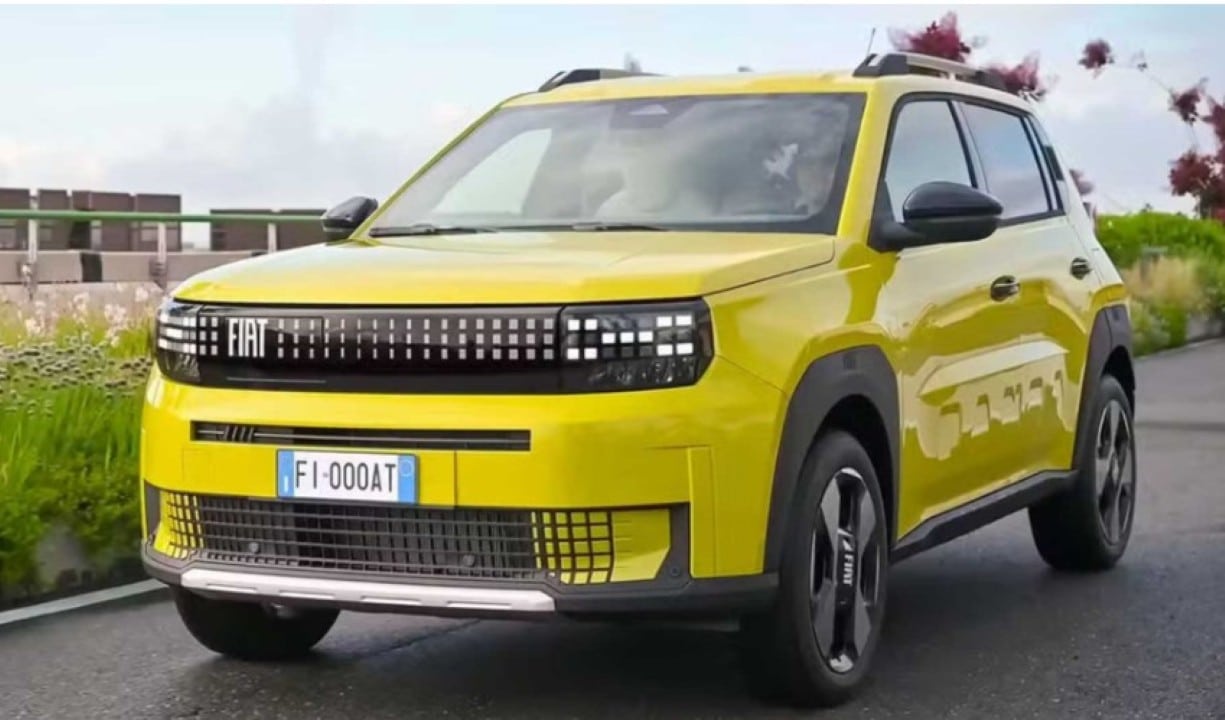
The development of this popular car is crucial for Fiat, especially considering the dynamics of the European automotive market. With the rise of models focused on cost-benefit, the Dacia, for example, solidified its presence with the Sandero, which became one of the best-selling cars in the region. Fiat, therefore, seeks a slice of this audience with a renewed proposal and a design that, although accessible, still carries the identity of the Italian brand, focusing on simplicity and functionality to attract consumers who value economy.
Global strategy and the legacy of Panda
The decision to invest in an ultra-affordable car for Europa is part of a broader vision for Stellantis, the group to which Fiat belongs.
The company has sought to optimize its platforms and portfolios to meet the diverse market needs on a global level.
For the Fiat, this means reinforcing its image of innovation and accessibility, qualities historically associated with iconic models like the original Fiat Panda.
The Grande Panda, although also focused on accessibility, comes with a starting price of 19 thousand euros, which puts it in a slightly higher range. The new compact, in turn, will aim for an even lower price barrier, potentially below 15 thousand euros, to become a true competitor to the Sandero, sold for less than 13 thousand euros in some versions. Essa price differentiation is essential to attract consumers who prioritize the lowest initial investment.
Challenges and opportunities in the competitive market
Creating a car with such a competitive price for the European market involves a series of challenges, from optimizing production costs to adapting to strict safety and emissions standards. However, the opportunity to capture a large volume of sales in the entry-level segment is enormous. The demand for economical vehicles is constant, especially in a global economic scenario that values efficiency and budget. The Fiat will have to balance the engineering to ensure a robust and safe vehicle, with the need to keep the final cost low. Stellantis’s experience with modular platforms, such as the STLA Small architecture, can be an asset in this process, allowing the development of a car with a good technological base and, at the same time, affordable. Design will also play a fundamental role, appealing to young and urban audiences who seek practicality without giving up a modern and functional style, following the “less is more” design philosophy already seen in the brand’s recent concepts.
The compact car scenario at Europa
The compact segment at Europa is highly competitive, with the presence of several manufacturers offering models that vary in price, technology and design. The Dacia Sandero, for example, has been a reference in cost-benefit, gaining a solid customer base due to its direct and non-excessive proposal.
The entry of Fiat with a new model under 15 thousand euros will intensify this competition, possibly forcing other manufacturers to reevaluate their pricing strategies. The arrival of a strong competitor could benefit the consumer, who will have more quality options in the affordable vehicle segment.
The impact on the future of urban mobility
Fiat’s bet on an entry-level car represents more than just a new product; it signals a direction for the future of urban mobility.
With cities becoming increasingly congested and concerns about sustainability growing, compact and efficient vehicles are gaining relevance.
This new model could even open doors for future electrified versions, aligning with the decarbonization goals of União Europeia and offering a gateway to electric mobility.
What to expect from the new model in terms of features
In addition to the financial aspect, the new Fiat compact will have to stand out in other essential attributes for the European consumer. High fuel efficiency is a decisive factor considering constantly fluctuating energy prices. Mesmo in entry-level cars, basic connectivity features, such as smartphone integration, are expected to meet the needs of the modern driver, who seeks to always be connected.
Additionally, safety systems will be a crucial point, as the car will need to meet the rigorous standards of European safety assessments to be competitive. Projetado for urban environments, ease of parking and agility in traffic will be valued features, making urban maneuverability an important differentiator to win over the target audience that faces the challenges of large cities on a daily basis.
Development and prospects for 2027
The development project for the popular car is underway, with the engineering and design teams working to meet the tight launch schedule for 2027. Collaboration between the group’s various brands has been constant, allowing the creation of innovative and competitive products in a more agile and economical way.



