Huge fire in Suginami, Tokyo, destroys nine houses but leaves no injuries, officials say

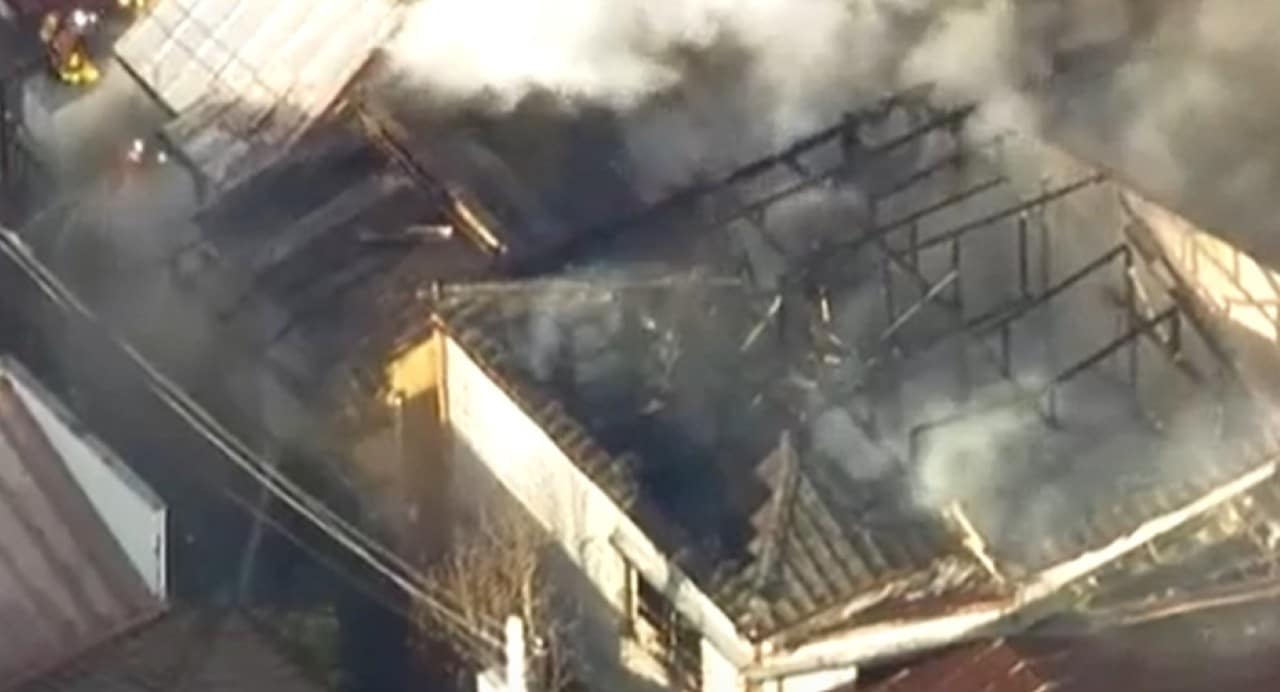
A large-scale fire struck a densely populated residential area in Asagaya Kita, in the Suginami district, in
The fire originated in a two-story wooden house and, driven by the proximity of the buildings, quickly spread to neighboring properties. The quick response of emergency teams was crucial to control the situation and prevent the destruction from spreading further to the neighborhood, located close to the busy JR Asagaya train station.
Despite the intensity of the fire and the extent of the material damage, authorities confirmed that there were no reports of injuries or fatalities. The efficiency in evacuating and fighting the flames ensured the safety of residents, a positive result given the destructive potential of the incident.
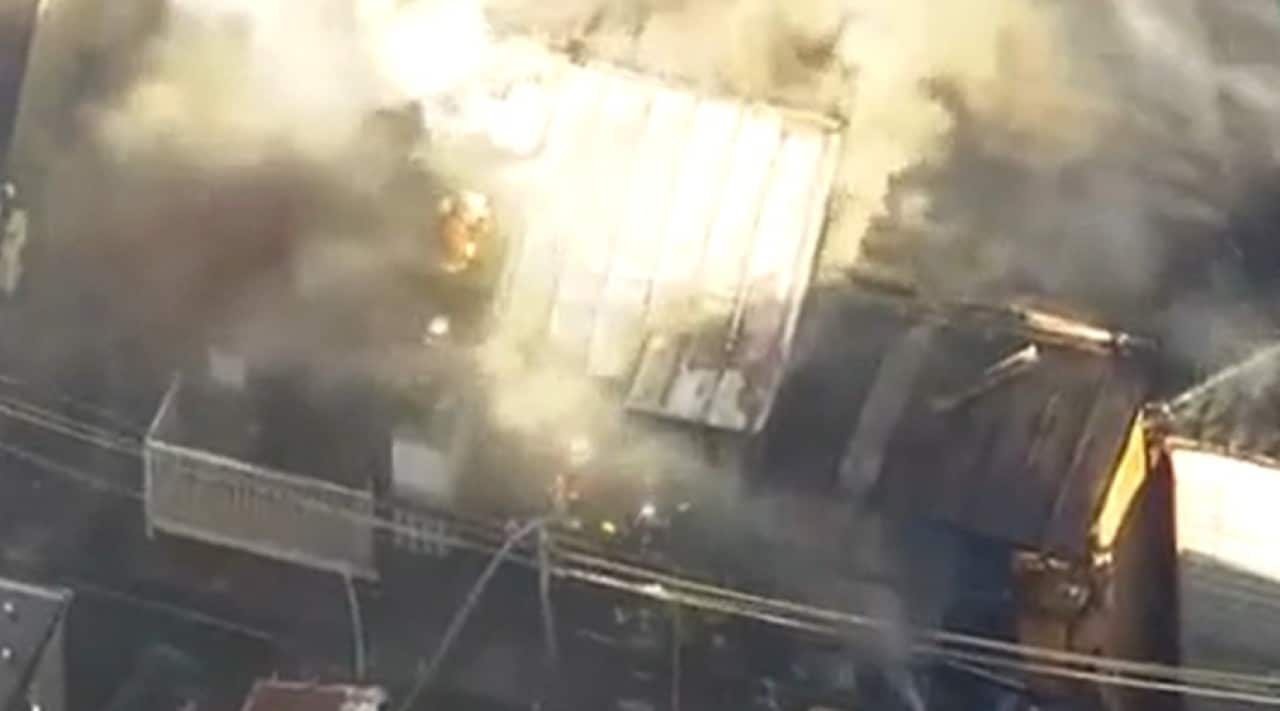
The rapid response of emergency services
As soon as the alert was received by emergency number 119, Corpo of Bombeiros of Tóquio dispatched a robust task force to the scene. In total, 39 vehicles, including water trucks, ladder vehicles and specialized support units, were sent to the scene. The first teams arrived within minutes, a mark of the efficiency of the metropolis’ disaster response system. The initial strategy focused on two fronts: direct attack on the main focus of the fire and the creation of a water barrier to protect adjacent houses that had not yet been affected, avoiding a major catastrophe.
The coordinated work involved dozens of firefighters who positioned themselves at strategic points in the neighborhood’s narrow streets. Utilizando multiple lines of hoses and high pressure equipment, they managed to surround the fire and gradually reduce its intensity. The containment operation lasted around three hours, with the flames being declared under control at around 5pm. The teams remained on site longer to carry out the aftermath work, ensuring that there was no risk of reignition and starting the first surveys for the investigation.
The origin and rapid spread of fire
Preliminary reports and testimonies from residents indicate that the flames appeared at the rear of a two-story residence, built predominantly with wood, a common material in older homes in the region. The combination of flammable materials and the lack of space between buildings, a striking feature of traditional neighborhoods in Tóquio, created the ideal scenario for extremely rapid spread. Within minutes, what was an isolated outbreak turned into a fire that threatened an entire block. Fatores Weather conditions, such as a moderate wind that blew in the afternoon, also contributed to bringing the flames and sparks to the roofs and structures of neighboring houses, accelerating the destruction and complicating initial containment efforts by the residents themselves before the arrival of firefighters.
Details about recorded material damage
The final balance of Corpo of Bombeiros confirmed that nine buildings were affected by the fire. The house where the fire started was completely destroyed, with its two-story structure collapsing.
Neighboring homes suffered damage to varying degrees. Algumas were a total loss, while others had severe damage to roofs, external walls and upper floors.
In addition to the main houses, secondary structures such as garages, warehouses and small outbuildings were also consumed by the flames, increasing the material loss for the affected families.
The profile of the region of Asagaya Kita
Asagaya Kita is a traditional residential neighborhood known for its quiet streets and high housing density. Muitas of the buildings in the affected area are old, dating back several decades.
The proximity to the JR Asagaya station makes the location very popular with families and workers who use public transport daily to get around the metropolis.
This urban setting, however, presents significant challenges for emergency operations. The narrow streets make it difficult for large vehicles, such as fire trucks, to maneuver.
The combination of wooden houses very close to each other is a risk factor known to the authorities, who maintain constant prevention and inspection programs in these areas.
On-site security and evacuation measures
Immediately after the arrival of the first fire units, Polícia Metropolitana of Tóquio established a security perimeter. Agentes isolated access streets to ensure public safety and facilitate the work of emergency teams.
Residents of the houses closest to the fire were asked to evacuate preventively. The action was carried out in an orderly manner, helping to avoid panic and ensuring that no one was left behind.
Investigation into the causes of the incident
Experts from Corpo of Bombeiros and the police began the investigation to determine the exact cause of the fire. Evidence collection at the scene began as soon as the area was considered safe, focusing on the residence where the fire started to identify possible electrical faults, domestic accidents or other sources.
Fire prevention in metropolises such as Tóquio
Incidents like the one at Suginami reinforce the importance of the strict fire prevention policies in place at Tóquio. The city invests massively in public awareness and technology.
Seasonal campaigns are common, especially during the winter when the use of heaters increases the risk of home accidents, one of the main causes of residential fires in Japão.
Furthermore, the metropolitan government encourages the modernization of old buildings, offering subsidies for the replacement of flammable materials with more fire-resistant ones.
Community evacuation and firefighting training is carried out regularly in neighborhoods, preparing residents to act correctly in the initial moments of an emergency until professional help arrives.
The aftermath of the operation on Suginami
After the flames had completely extinguished, the aftermath phase lasted until the beginning of the night. Firefighters worked to cool the debris and eliminate any hot spots that could lead to a reignition.
The city hall of the district of Suginami mobilized social assistance teams to offer support to families who lost their homes, providing temporary shelter and emergency assistance for immediate needs.