
Improvements to the iPhone 17 screen and camera should impact the final price compared to the 16 model

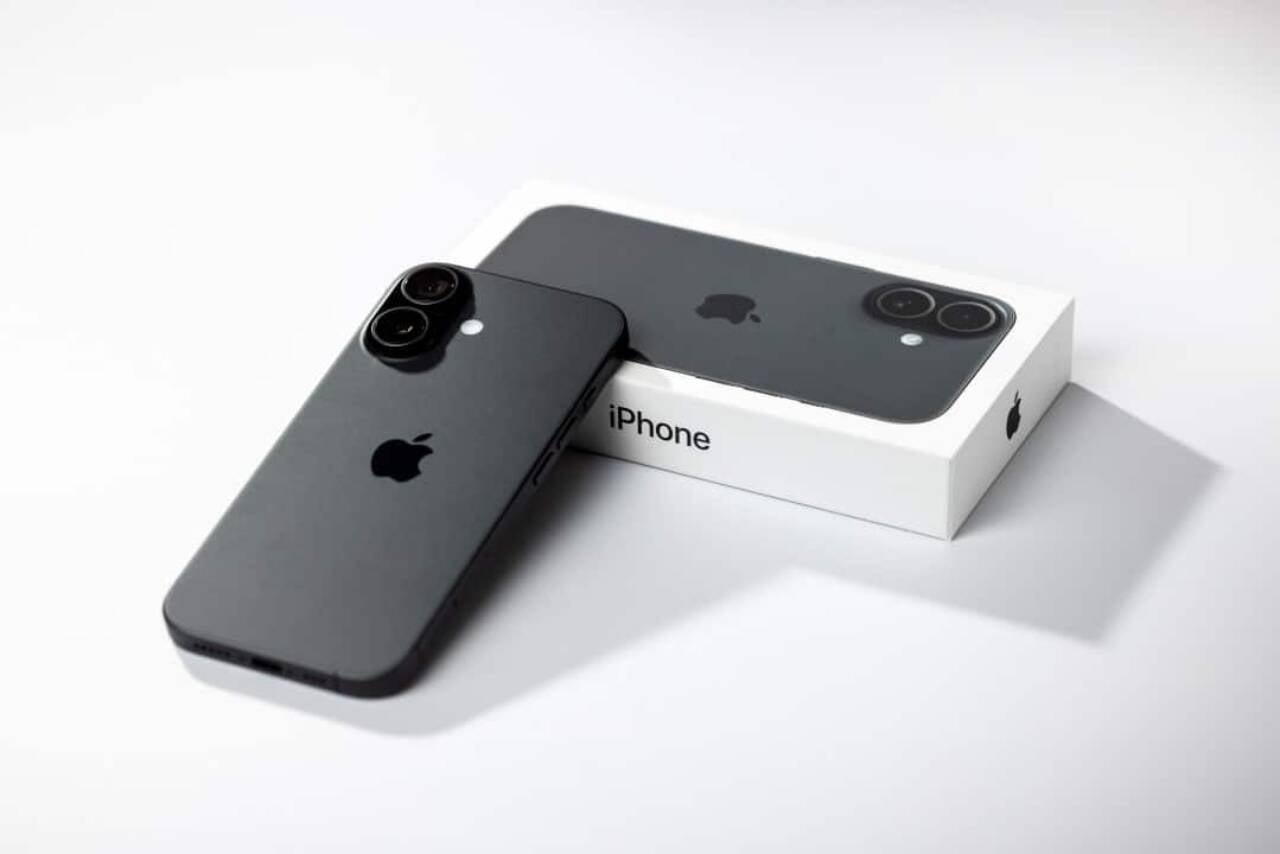
Apple plans a more pronounced differentiation between its entry-level models with the launch of the iPhone 17 line, scheduled for the second half of 2025. The company’s strategy consists of incorporating technologies previously exclusive to the Pro models in the standard version of the new device, which should justify a considerable price difference in relation to its predecessor, the iPhone 16.
The main updates are concentrated in three areas crucial to the user experience: the screen, the camera array and processor performance. Essas improvements represent a significant leap and aim to attract consumers looking for premium features without necessarily opting for the Pro line, redefining what is expected from a standard smartphone from the brand.
With this move, the technology giant seeks to create a clearer value proposition between generations. Enquanto the iPhone 16 will serve the public looking for a solid and reliable update, the iPhone 17 will be positioned as an option for those who want access to cutting-edge innovations and are willing to invest more for it.

The ProMotion screen as the main differentiator
The most impactful change expected for the iPhone 17 is the adoption of a display with ProMotion technology. Essa innovation, which uses an LTPO (low temperature polycrystalline oxide) panel, allows for an adaptive refresh rate that can dynamically vary from 1Hz to 120Hz. In practice, this translates into extremely fluid navigation, smoother animations and a more immediate touch response, drastically improving daily interaction with the device. Para gaming enthusiasts, the 120Hz rate offers a competitive advantage with sharper visuals and no motion trails. Além of fluidity, ProMotion technology is essential for energy efficiency, as the system can reduce the refresh rate to just 1Hz when displaying static content, such as a photo or text, intelligently saving battery. Essa capability also enables the functionality of Tela Sempre Ativa (Always-On Display), allowing information such as time, widgets and notifications to remain visible with minimal power consumption. In direct contrast, the iPhone 16 must maintain a panel with a fixed 60Hz refresh rate, establishing a clear dividing line in the visual experience between the two models.
Quality leap in the camera system
The iPhone 17’s photographic system should receive one of its most relevant updates, taking it to a new level of capacity. Rumores indicate that the device will be equipped with a dual camera system, where both the main and ultra-angular sensors will have 48 megapixels.

This high-resolution standardization allows you to capture images with a much higher level of detail, especially in good lighting conditions. The 48MP ultra-wide-angle camera, in particular, represents a major advance, as it will be able to capture more light, resulting in night photos and dark environments with more clarity and less noise.
In comparison, the iPhone 16 should continue with a 48MP main sensor, but will maintain a 12MP ultra-wide lens. Embora competent for everyday use, this configuration will offer less flexibility and quality in challenging scenarios, making the iPhone 17 a superior choice for photography enthusiasts.
Both models are expected to include the new “Captura Button”, a physical feature designed to enhance the photography experience. The Este button will allow you to adjust the focus with a light touch and take the photo when you press it completely, as well as making it easier to quickly start video recordings, offering more tactile and intuitive control.
Performance and the new generation of chips
At the heart of the new devices will be the Apple A-series processors, but with a well-defined performance segmentation. The iPhone 17 is expected to be equipped with the A19 chip, while the iPhone 16 will use the A18. Embora both guarantee top-notch performance for everyday tasks, the A19 promises significant advances in key areas, such as a more robust graphics processing unit (GPU) and a considerably faster Neural Engine.
This extra power will be crucial to Apple’s artificial intelligence ecosystem, known as Apple Intelligence. Recursos like real-time audio transcription, advanced photo editing, and a more contextual and proactive Siri will rely on on-device processing. The A19 chip’s enhanced Neural Engine can unlock unique or faster AI functionality for the iPhone 17, creating a key software differentiator over the previous model.
Storage and the new entry standard
Meeting a growing demand for more space, the Apple is expected to redefine the initial storage capacity with the iPhone 17.
This change reflects the current reality, where applications are larger, high-resolution photos and videos take up more space, and the operating system’s own resources, including AI models, require more generous storage capacity to function optimally.
Implications on battery life
The combination of more efficient hardware, such as the LTPO screen, with software optimizations and a cutting-edge processor, suggests that the iPhone 17 will have an advantage in battery life. The display’s ability to drastically reduce the frequency of simple tasks contributes to lower energy consumption, allowing users to enjoy advanced features for longer throughout the day.
Pricing strategy and market positioning
The substantial hardware improvements in the iPhone 17 will inevitably be reflected in its final cost. The addition of a ProMotion screen, a dual high-resolution camera system and double the base storage are components that increase the production cost and, consequently, the price for the consumer.
In this way, the iPhone 16 will be consolidated as the gateway to the Apple ecosystem, offering solid performance and modern features at a more affordable price. Ele will be the ideal choice for users looking for a high-quality experience, but who do not need the latest technologies.
With this strategy, Apple creates a clearer value ladder. Consumers will have a more distinct decision to make: opt for the reliability and cost-benefit of the iPhone 16 or invest in a visibly superior and future-proof experience with the innovations of the iPhone 17.
What to expect from the design and other features
Although a design revolution is not expected, the iPhone 17 may feature subtle refinements such as slightly thinner edges or new color options to visually differentiate itself from the previous model. The general structure must maintain the visual identity established in recent generations.
Other improvements could include the adoption of newer connectivity technologies such as the Wi-Fi 7 standard.



