Mano Menezes is announced as Peru’s new coach with the mission of reformulating the team for the Qualifiers

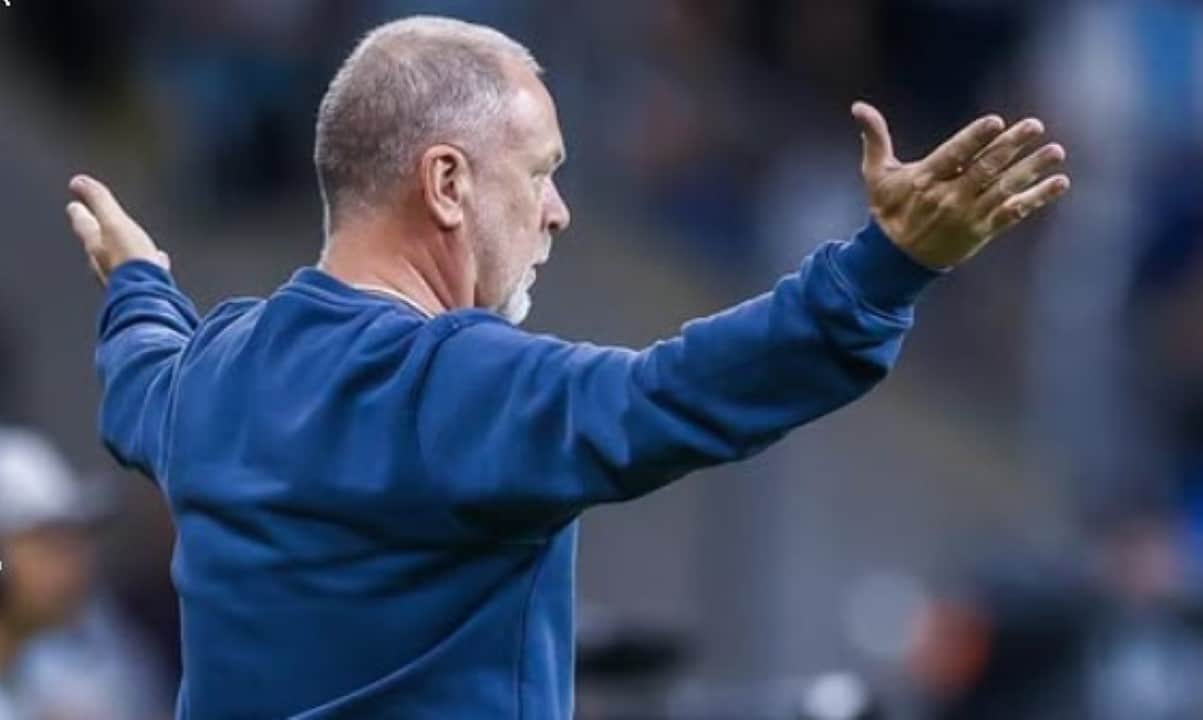
Federação Peruana of Futebol officially hired Brazilian coach Mano Menezes to take command of the national team in a long-term project. The coach, who had been without a club since ending his cycle at Grêmio at the end of the 2025 season, traveled to the capital Lima in order to seal the definitive agreement and begin immediate work. The official presentation ceremony is scheduled to take place this Thursday afternoon, Peruvian local time, bringing together the federation leadership and the local press.
Bro Menezes arrives with the responsibility of replacing coach Ibañez, whose work was interrupted in September 2025 after below-expected results in continental competitions. The choice of the Brazilian reflects the Peruvian managers’ search for experienced leadership capable of implementing a solid and competitive game methodology. The new commander returns to the selection scene after more than a decade, when he led the Seleção Brasileira in the cycle between 2010 and 2012, right after the Mundial of the África of the Sul.
The planning established by the Peruvian board focuses directly on preparing for Copa of Mundo in 2030, treating the arrival of Mano as the central pillar of this restructuring. The expectation is that the coach will bring the baggage accumulated in major Brazilian football clubs to stabilize the squad and promote the necessary renewal among the starters. Diversos local analysts point out that hiring a renowned foreign professional was the necessary step to raise the technical level of the current group.
Bro Menezes is the new coach at Seleção Peruana.
— Planeta from Futebol 🌎 (@futebol_info)January 29, 2026
The coach will be officially presented this Thursday.
🗞️@simpraisa
📸Marcelo Gonçalves/FFCpic.twitter.com/duGoLM04TI
International experience and recent stints in Brazilian football
Mano Menezes’s CV weighed significantly on Federação Peruana’s decision, given his trajectory in mass clubs and high pressure at Brasil. Recentemente, the coach led Grêmio in a standout campaign, in addition to having accumulated spells at institutions such as Fluminense, Corinthians and Internacional in recent years. Essas experiences have given the professional the ability to manage diverse squads and deal with the demands of passionate fans, characteristics similar to the environment found at Peru.
- Mano Menezes accumulated important titles in Brasil, including Copas of Brasil and elite state championships.
- The tactical versatility presented in his latest work was a difference highlighted by the federation’s technical observers.
- The in-depth knowledge of the South American market makes it easier to observe players operating both on the continent and in Europa.
- At 63 years old, the coach expressed interest in national team projects that allow the implementation of structural concepts from the ground up.
Adaptation to Peruvian football should be facilitated by cultural proximity and the presence of well-known players who play or have played in Brazilian football. Mano Menezes is recognized for setting up solid defenses and quick transition systems, elements that the Peruvian team seeks to resume to once again be a protagonist in the América of the Sul. The contract provides full autonomy for the coach to nominate professionals he trusts to form the permanent technical committee of the main team.
Immediate goals and restructuring of the squad in Lima
The Brazilian’s arrival occurs at a time of important transition, where Peru seeks to regain the prestige lost in the last rounds of the previous qualifiers. Mano Menezes will have little time for observation before the first official commitments, which will require a deep dive into the available athletes’ statistical data. The technical committee must prioritize, in this first contact, the recovery of the confidence of veteran players and the gradual integration of young promises that stand out in the local championship.
The new coach intends to hold a series of meetings with performance analysis departments to understand the specific needs of each sector of the field. Este The diagnostic process is considered fundamental so that the next calls reflect the new work philosophy imposed by the Brazilian leadership. Além from the main team, Mano is expected to act as a strategic consultant for the formation categories, ensuring that the style of play is unified at all levels of the national team.
The initial focus will be on defensive stabilization, a trademark of the Mano Menezes teams throughout their successful career on Brazilian soil. The Peruvian press highlighted that tactical organization is the main demand of fans, who yearn for a more balanced and less vulnerable team in away games. The coach has already requested detailed reports on the physical conditions of the main athletes working abroad to plan training loads.
Calendar challenges and preparation for the next cycles
The Peru selection calendar foresees strategic friendlies and continental competitions that will serve as a laboratory for Mano Menezes’s ideas throughout this year. The coach will need to balance the need for immediate results with the implementation of a game model that supports the stress of a long tie. The goal established by the federation is clear: to guarantee a direct place in the next World Cup without depending on exhausting repechages, as occurred in previous cycles.
The training structure in Lima will undergo modernizations requested by the coach, aiming to optimize player recovery and real-time video analysis. Mano Menezes believes that the intensive use of technology is essential to face high-level adversaries in the contemporary international scenario. Cooperation between the medical department and physical preparation will be intensified to reduce the rate of injuries during call-up periods, which tend to be short and intense.
Successful trajectory and return to national team command
Mano Menezes’s last experience in a national team took place in a period of great renewal for Brazilian football, where he launched several names that became pillars in the following years. Esse’s history of “mining” talent is one of the reasons why Peru invested in hiring him for the 2030 cycle. The coach understands that the success of a national team depends on the ability to create a professional work environment focused on collective goals.
The transition from Grêmio to the Peruvian national team marks a new chapter in the career of one of the most respected coaches from Brasil. Mano has always shown interest in working abroad, and Peru’s invitation came at the ideal time in his professional and personal trajectory. The expectation is that the official announcement will generate a positive impact on the South American sports market, increasing the level of competitiveness between neighboring teams that are also seeking renewal.
Technical perspectives for the Mano tactical scheme
The preferred system of Mano Menezes usually varies between 4-2-3-1 and 4-3-3, depending on the pieces available and the characteristics of the opponent faced. In the Peru selection, he will find athletes with good individual technical capacity, which allows the exploration of a supported game and qualified possession of the ball. Tactical discipline, however, will not be negotiable, and each player will have well-defined defensive roles to guarantee the protection of the Peruvian area.
- The use of offensive wingers will be maintained, but with greater coverage by defensive midfielders.
- The center forward should act more as a pivot, opening spaces for the infiltration of midfielders arriving from behind.
- The ball release will be worked on to avoid unnecessary kicks, prioritizing construction from the defense field.
- The training of dead balls, both offensive and defensive, will receive special attention in the sessions in Lima.
With the presentation confirmed for this Thursday, Peruvian football begins an era of renewed expectations under the tutelage of one of the biggest names in sports training in the América Latina. The success of this partnership will depend on the patience of the fans and the federation’s unrestricted support for the long-term project designed by the Brazilian.