
Only four out of 25 extra virgin olive oils get a good grade in a 2026 Stiftung Warentest test

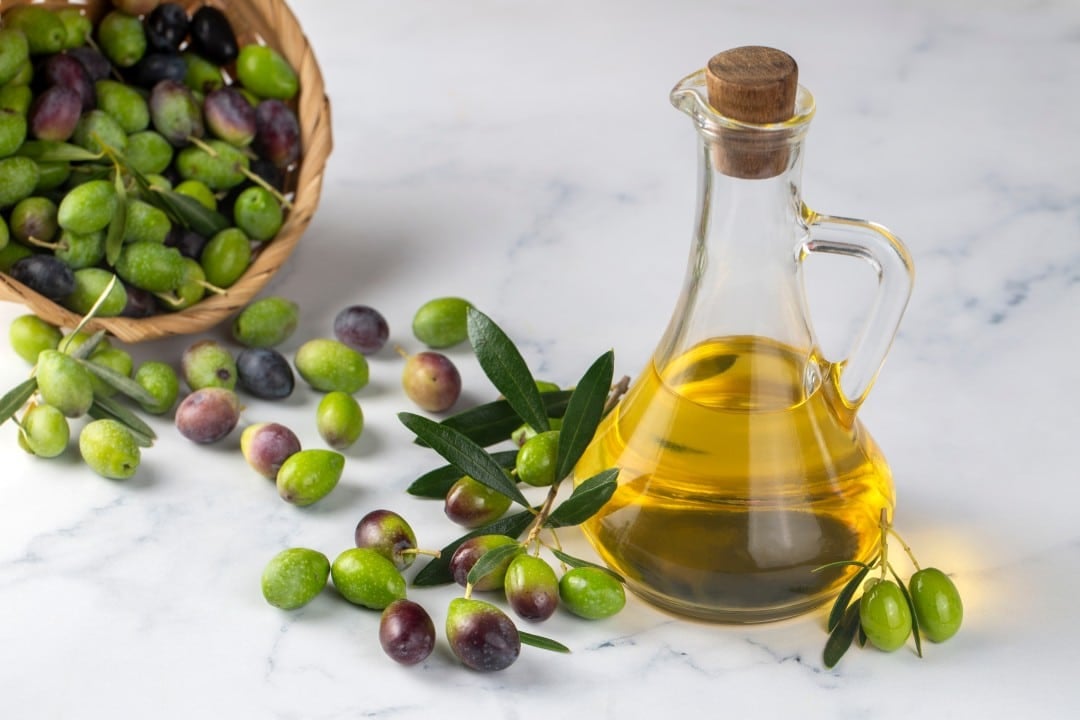
Stiftung Warentest released this Thursday, January 29, 2026, the results of an extensive test carried out with 25 extra virgin olive oils available on the German market. Apenas four products received a “good” rating, while eight were considered deficient due to sensory defects and the presence of contaminants. Laboratory tests highlighted recurring problems in the production and storage of these oils.
The olive oils analyzed were purchased in supermarkets, discount stores and organic food stores, with prices varying between 7.99 and 54 euros per liter. The German foundation emphasized that overall quality has been falling in recent years, attributing part of the problems to adverse weather conditions in producing regions. Nenhum of products pose an immediate risk to health, but defects compromise the extra virgin category.
- Flavor defects identified in four oils, such as rancid or musty notes.
- Contamination by mineral oil components in three products.
- Presence of DBP plasticizer in olive oil, a substance harmful to reproduction.
The tests follow strict União Europeia criteria for the extra virgin category, which requires a total absence of sensory defects and low acidity.
Details of approved products
The four olive oils that stood out in the test showed sensorial balance and absence of significant contaminants. Eles vary in price and origin, showing that quality does not depend exclusively on the amount paid. Esses products meet the standards expected for the extra virgin category.
The test leader, Jochen Wettach, highlighted that these oils maintain positive characteristics, such as medium fruitiness and balanced bitterness. Eles serve as a reference for consumers looking for reliable options in the European market.
Main sensory defects found
Four olive oils had serious flavor flaws, such as rancid or muddy notes, which disqualify them from the extra virgin category. Esses problems arise when the olives ferment before pressing or when the oil comes into prolonged contact with oxygen. European regulations do not allow sensory defects in products labeled as extra virgin.
Other oils exhibited modrigous or stichig aromas, compromising the consumption experience. Esses defects indicate failures in the harvesting process or inadequate storage.

Contaminants identified in testing
Three products contained mineral oil components at high levels, including potentially carcinogenic substances such as MOAH. One olive oil showed an excess of the plasticizer DBP, considered harmful to human reproduction. Chlorparaffine, another type of persistent plasticizer, were detected in three oils.
These pollutants are avoidable with good production practices, according to the foundation’s experts. Apesar of contaminations, no oil poses an acute threat to health.
Causes of the general drop in quality
Extreme weather conditions in Mediterrâneo have been affecting olive harvests for years, reducing the availability of high-quality fruit. Secas and heat waves, especially in Espanha, the world’s top producer, contribute to inferior oils. Esses factors explain part of the average results in most of the products tested.
Processing failures, such as delays in pressing, worsen sensory defects. The foundation notes that the German market, despite being strict, increasingly receives mediocre oils.
Best options available on the market
Recommended olive oils include varieties at different price points, proving that affordable options can be quality.
- Cillo Mono Natives Olivenöl extra Coratina, costing around 54 euros per liter, with balanced fruity and bitter notes.
- Alnatura Bio-Olivenöl nativ extra, for 13.98 euros per liter, standing out as an affordable organic option.
- Mitos Griechisches biologisches natives Olivenöl extra Bio, with a positive sensory profile.
- Bertolli Originale Natives Olivenöl extra, a brand known for consistency.
These products obtained positive evaluations in terms of aroma, flavor and absence of relevant contaminants. Eles represent exceptions in a median predominance scenario.
Positive aspects of polyphenols
All 25 olive oils tested had sufficient levels of polyphenols, above 250 mg/kg, beneficial substances that protect cells against oxidative damage. Essa quantity has increased slightly compared to previous tests, offering a favorable point to consumers. Polyphenols contribute to the positive effects of olive oil on cardiovascular health.
Some products, including supermarket options, stood out for higher levels of these compounds. Essa characteristic reinforces the nutritional value even in medium oils.
Methodology applied in exams
Stiftung Warentest used a trained panel of tasters to evaluate sensory aspects, following official União Europeia standards. Análises chemicals checked acidity, purity and presence of adulterations with refined oils. Laboratórios independently tested for contaminants such as pesticides, mineral oils and plasticizers.
The evaluation also considered packaging and labeling, ensuring transparency for the consumer. Esse rigorous process explains the credibility of the published results.
Tips for Proper Storage
Correct storage preserves the quality of extra virgin olive oil for longer, preventing oxidation and sensory defects.
- Keep in a cool, dark place, away from heat sources.
- Use dark bottles or cans that block light.
- Preferably consume within 12 to 18 months after production.
- Avoid transferring to exposed transparent containers.
These practices help maintain fresh aromas and avoid premature rancidity.
Climate impact on global production
Climate change directly affects olive trees in Mediterrâneo, with prolonged droughts reducing fruit quality. Regiões like Espanha, Itália and Grécia face irregular harvests, impacting global supplies. Produtores report difficulties in maintaining high standards year after year.
These factors contribute to the rarity of exceptional olive oils in recent trials. The foundation has been following this trend for several editions.
The Stiftung Warentest test reinforces the need for attention when choosing extra virgin olive oil, prioritizing products with quality seals and recent production dates. Consumidores can choose the recommended options to ensure a better sensory experience and nutritional benefits. The complete analysis is available on the foundation’s website for detailed consultation.




