
Privacy in check in tennis: Djokovic and Swiatek protest against cameras after Coco Gauff video

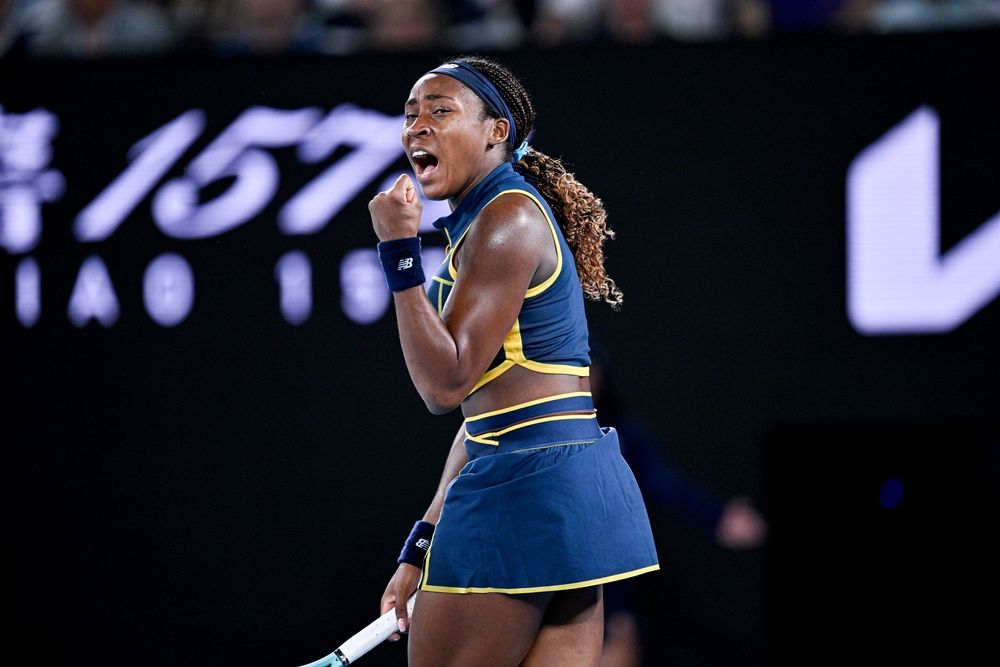
An intense controversy over the limits of media exposure took place behind the scenes at Australian Open, with the main tennis players on the circuit publicly expressing their dissatisfaction with the constant surveillance. The debate was sparked after the release of a video of North American Coco Gauff in a moment of vulnerability, captured by a camera in a restricted area of the Melbourne Park complex. The incident exposed a growing conflict between the demand for exclusive content and athletes’ right to privacy.
The crisis intensified when sports stars, including ranking leaders, used their press conferences to criticize the ubiquity of filming equipment in hallways, locker rooms and access tunnels. Players argue that this practice violates the emotional integrity and concentration necessary for high-level competition, generating institutional tension between the tennis players’ association and Tennis Australia, organizer of Grand Slam.
The viral images show Gauff, frustrated after her elimination from the tournament, destroying her racket in a corridor she believed to be private. The rapid dissemination of the video, transformed into entertainment material and memes, provoked a unified reaction of discontent among professionals, who feel exposed in their most difficult moments.
Novak Djokovic says he empathizes with Coco Gauff, ‘It’s really sad that you can’t move away anywhere and hide and smoke out your frustration…
“I see with what happened with Coco after her match.pic.twitter.com/HNxQQrBpGM
—The Tennis Letter (@TheTennisLetter)January 28, 2026
The current controversy is fueled by a series of factors that have worsened in this year’s edition of the tournament. Entre The athletes’ main complaints are the significant increase in fixed cameras in areas with restricted circulation, the use of highly sensitive microphones capable of capturing private conversations and the pressure from broadcast rights holders for behind-the-scenes content in real time, transforming moments of human fragility into a commercial product without explicit consent.
Voices from the top: the reaction of Djokovic and Swiatek
Poland’s Iga Swiatek, number one in the world, sharply questioned the organization’s approach, asking whether athletes are being treated as professionals or as “attractions in a zoo”. Ela highlighted that, although exposure on the court and in interviews is part of the job, the moments of emotional decompression after victories or defeats should be sacred. Para Swiatek, the incessant quest to capture each player’s reaction crosses a dangerous line, compromising the mental health of those who already live under extreme pressure.
Novak Djokovic, in turn, adopted an ironic tone to criticize what he called the prioritization of “content above human decency”. The Serb expressed his dissatisfaction with the commercialization of every second of an athlete’s life in the complex, arguing that a genuine connection with fans cannot be built at the expense of the competitors’ dignity and personal space. Ele argues that privacy is essential for players to process the highs and lows of competition in a healthy way.
The defense of Tennis Australia
In response to the criticism, the management of Australian Open released an official statement defending the monitoring system as a crucial tool for engaging new audiences. The organization argues that contemporary fans desire a deeper connection with their idols and that behind-the-scenes access enriches the narrative of the sporting event.
Despite defending its strategy, the organization admitted the need to re-evaluate the location of some cameras to ensure that the well-being of athletes is not entirely sacrificed. Tennis Australia has promised to strike a balance between commercial demands and the psychological health of players, although the filming structure will remain active due to broadcast contracts already signed.
The trigger for the controversy: the Gauff case
The incident that triggered the wave of protests occurred in the tunnels that connect the main court to the physical recovery areas, a space traditionally considered a sanctuary for athletes. Visivelmente shaken by the defeat, Coco Gauff looked for an isolated place to vent her frustration.
The exact moment in which the young tennis player hits her racket against the ground was captured in high definition by a security camera, the material of which was later edited and distributed on the tournament’s social networks.
The way the video was treated, with the soundtrack and edits for entertainment purposes, was the main catalyst for the revolt among Gauff’s colleagues. The episode generated a wave of solidarity for the American and motivated a silent protest from other players, who began to deliberately avoid the most monitored areas of the complex.
Climate of distrust behind the scenes of Melbourne
The constant surveillance changed the dynamics and routine of the competitors within Melbourne Park. Atletas and his teams report a change in behavior to prevent moments of exhaustion or tactical discussions from being recorded and potentially publicized.
Coaches say strategic conversations, once held openly in hallways, are now held in closed rooms or in whispers to escape ambient microphones.
This atmosphere of mistrust undermines the natural preparation for matches, creating additional tension between players and the organization of the event itself.
Tennis player Jessica Pegula highlighted that what happened to Gauff is not an isolated case, recalling similar incidents with other athletes in previous seasons. Ela defends the right of competitors to experience their defeats privately, without it turning into a global spectacle in a matter of minutes.
A recurring debate in elite sport
The tension between technological advancement and privacy in tennis is not new, but it has reached a critical point. Nos In recent years, the implementation of 360-degree cameras and tracking systems has become standard in major tournaments, offering benefits for performance analysis and refereeing. Contudo, the use of this apparatus for the production of entertainment content is met with strong resistance. Similar Debates have already occurred in other Grand Slams, such as the US Open, but the scale and unity of criticism in Complex image rights contracts often grant organizers wide latitude for filming inside facilities, but player representatives argue these clauses are antiquated and do not anticipate the viral impact of social media, where a clip can disproportionately affect an athlete’s image. The current discussion should set an important precedent for the next major tournaments on the calendar.
Surveillance technology in Melbourne Park
The Australian complex is one of the most modern on the world circuit, equipped with an extensive camera system aimed at public safety and event logistics. Controversy arose when it became clear that this security footage was being integrated into content packages for official broadcast.
Sources in the technical area admit that, although the cameras are essential for the integrity of the tournament, the decision on the editorial use of this material is the responsibility of the media production management, raising questions about the criteria used for this selection.
The future of sports coverage
The tennis episode is being closely watched by other major sports leagues that are also exploring the “all-access” model in documentaries and streaming series. The blunt reaction in Melbourne signals that the protagonists, the athletes, are reaching their tolerance limit with non-stop exposure. Especialistas in marketing and sports ethics predict that new contractual agreements will need to be more specific, including the demarcation of “media exclusion zones” to protect the emotional health of competitors.
The trend points toward abandoning the 24/7 surveillance model in favor of scheduled and consented behind-the-scenes filming sessions. Players demand greater control over content generated in private areas, requiring a curation process or prior approval before publication. Negotiations between tennis players and Tennis Australia in the coming days will be decisive in defining the future of the relationship between media and athletes.
Mental health at the forefront
The case of Coco Gauff sheds light on the immense psychological pressure imposed on young talents in high-performance sport. The invasion of privacy is pointed out by experts as a factor that aggravates stress and anxiety, topics that have gained centrality in the professional circuit. Garantir that athletes have safe spaces to process their emotions, away from cameras, is seen as a fundamental step to preserving mental balance during a marathon.



