
Switch successor could receive Monster Hunter Wilds with graphical adjustments and fast loading mode, says rumor


New unofficial information about the highly anticipated Monster Hunter Wilds has surfaced online, suggesting that Capcom is developing a specific version of the game for the Nintendo Switch successor console. Details point to technical features designed to optimize performance on the new hardware, including a fast loading mode and advanced graphics tweaks to ensure a fluid gaming experience.
If confirmed, the title positions itself as one of the biggest third-party releases for the platform, harnessing the power of the RE Engine graphics engine on more modern hardware. Até At the moment, Capcom has officially confirmed the release of Monster Hunter Wilds only for PlayStation 5, Xbox Series
This new leak represents the first substantial evidence that platform players will not be left out of the new generation of the franchise. The expectation is that the company will capitalize on the success of Monster Hunter Rise, which sold millions of units in the original Switch, reinforcing the strategic partnership with Nintendo.
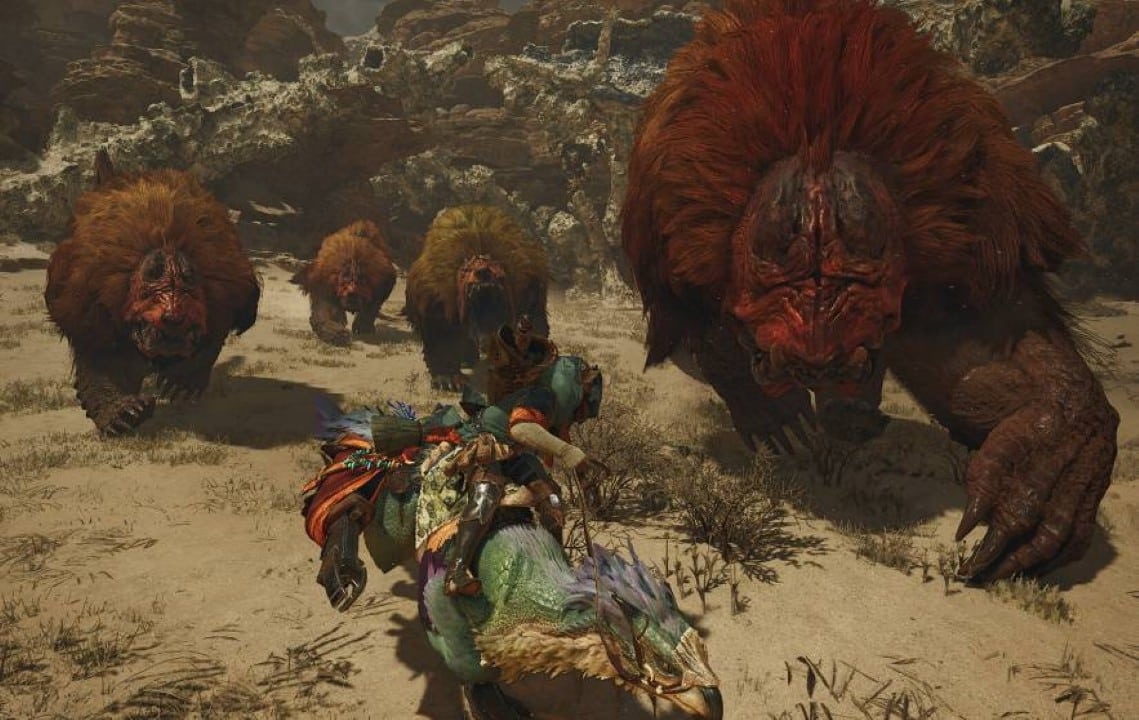
Graphics optimizations and fast loading mode
According to the leaked data, the “Switch 2” version of Monster Hunter Wilds would have a feature called “FastLoadMode”. Essa functionality would be designed to drastically minimize loading times while exploring the game’s vast map, a crucial element in maintaining player immersion in an open-world title with dynamic ecosystems.
The technology would allow the console to preload data from adjacent areas more efficiently, making transitions virtually seamless. Além of fast loading, the leak mentions a robust set of graphical optimizations, such as a dynamic resolution system to maintain a stable frame rate, especially during intense combats with multiple monsters.
The flexibility of RE Engine on new hardware
Capcom’s proprietary graphics engine, RE Engine, is the basis for the development of Monster Hunter Wilds. Its flexibility has already been demonstrated on several platforms, including ports to the original Switch, as in the case of Monster Hunter Rise. However, Wilds represents a significant generational leap, promising denser ecosystems and environmental interactions on an unprecedented scale.
The challenge is to scale this technology to hardware that, although more powerful than its predecessor, will still compete with the specifications of more robust desktop consoles. Para for the adaptation to work on the Switch’s successor, the Capcom would be working on low-level optimizations, taking full advantage of the console’s new graphics chip architecture and improved storage speeds.
Successful implementation of these features would not only ensure a competent launch of Monster Hunter Wilds, but would also open doors for future Capcom titles on the platform, cementing RE
Information credibility and market context
While any leaks should be treated with caution, the information released is in line with previous rumors about the capabilities of the Switch successor. Relatórios from the industry already indicated that Capcom, along with other large companies, had received development kits for the new console some time ago, allowing the planning of large-scale projects.
The technical nature of the leaked details, with mention of specific terms such as “occlusion culling” and LOD systems (Level of Detalhe), adds a layer of plausibility to the information. Tais techniques are industry standards for optimizing games on different hardware.
This suggests that the source may have internal knowledge of the development process or access to technical project documents. The lack of comments from Capcom and Nintendo is also expected, as both companies usually save their big announcements for their own events, such as a future Nintendo Direct.
The focus on performance indicates that Capcom does not want to repeat the technical challenges faced by some open-world games on less powerful hardware. The objective seems to be clear: to deliver an experience that looks native and polished, instead of a simple port with visual and performance compromises that harm gameplay.
Importance of a strategic launch
The presence of a title of the caliber of Monster Hunter Wilds in the launch window of the successor to Switch would be a strategic move of immense value for Nintendo. The franchise has a gigantic and loyal fan base in Japão and grew exponentially in Ocidente, becoming a true “system seller”, that is, a game capable of boosting the sales of a console by itself.
The success of Monster Hunter Rise in the original Switch demonstrated the perfect synergy between the series’ gameplay and the hybrid nature of the console, allowing players to hunt both at home and on the go. Repetir this formula with an even more ambitious game like Wilds could guarantee an extremely strong start to the life cycle for the new device, attracting both casual and more dedicated players.
Adapting the gaming experience
Adapting Monster Hunter Wilds to “Switch 2” would require more than just technical adjustments. Capcom would likely consider optimizing the interface and controls for portable gameplay, one of the strengths of the Rise port. The possibility of suspending and resuming the game quickly, combined with hunting sessions that can be shorter and more accessible, could be an important differentiator to attract the audience for the Nintendo console. The success of the franchise on the platform depends on how the core experience is translated into a format that works well on both TV and handheld mode, while maintaining the depth that fans expect. The balance between accessibility and complexity will be essential to regain the player base established on the previous console and attract new hunters to the series.
The official silence of companies
Despite the enthusiasm generated by the leak, it is essential to reiterate that, officially, Monster Hunter Wilds is only confirmed for PlayStation 5, Xbox Series X|S and PC. Capcom has maintained a discreet stance regarding its future plans for other platforms, focusing communication on systems already announced.



