
Winter storm forecast for weekend brings risk of ice and heavy snow to US East Coast

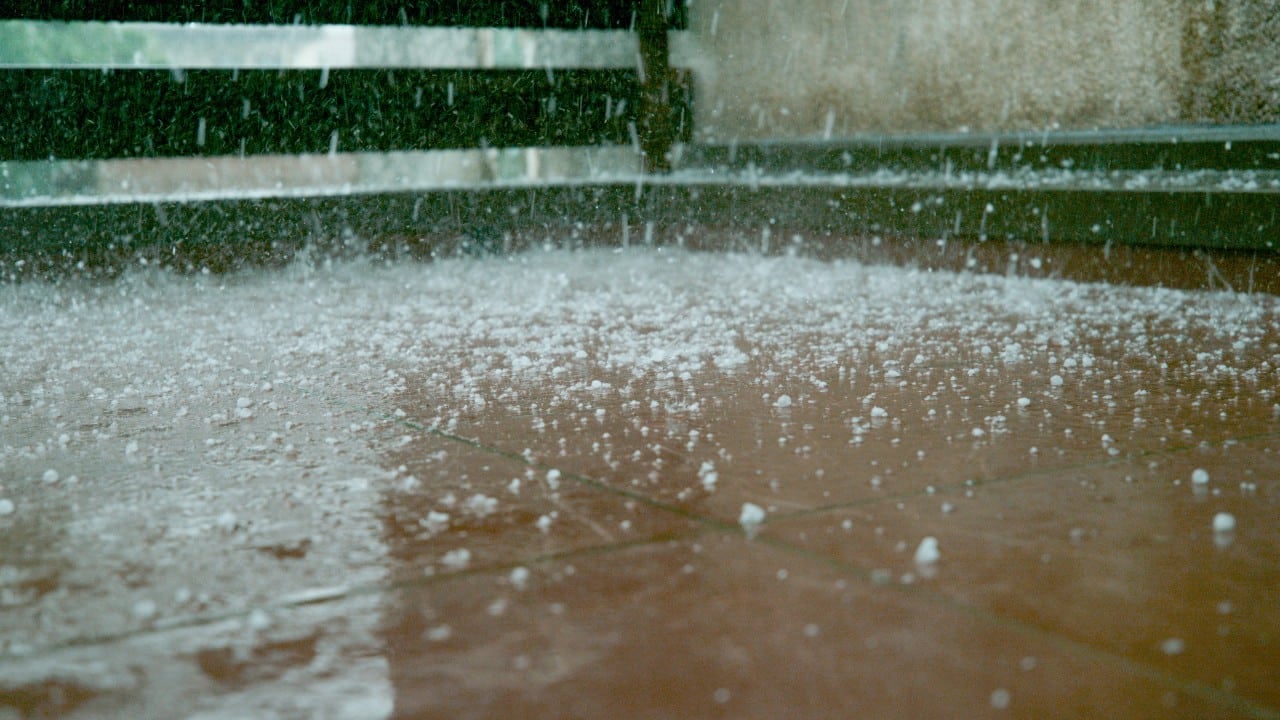
A new winter storm moves into the Estados Unidos starting this weekend. The weather system is expected to bring significant accumulations of ice and snow in the Sudeste, Meio-Atlantic and Nordeste regions of the country. Autoridades issued preventive warnings to millions of residents.
National Weather Service monitors the development of the phenomenon, which can intensify quickly. Precipitation begins on Saturday in coastal areas and continues until Sunday in larger cities. Viagens road and air lines face expected interruptions.
Experts highlight the potential for impacts on electrical infrastructure and public safety. Recomenda Prepare in advance with basic supplies and avoid unnecessary travel.
- Regions of Sudeste receive initial freezing rain.
- Mid-Atlantic sees transition to moderate snow.
- Northeast accumulates thicker layers of snow.
Weather system trajectory
The system forms off the southeast coast on Saturday morning. Modelos indicate northward movement throughout the day. The intensity increases as you approach the coast.
Forecasts point to rapid cyclogenesis in the Atlântico ocean. Strong Ventos accompany the advance of the cold front. Temperaturas fall sharply in the affected areas.
Areas under specific alerts
Several states have activated winter storm warnings. The Sudeste faces major risk from ice accumulation. Estradas become slippery within a few hours.
In the Meio-Atlântico, the precipitation mix complicates urban mobility. Cidades as well as Washington and Filadélfia prepare response teams. Escolas evaluate suspension of classes.
The Nordeste expects more consistent snow starting Saturday night. Acumulações vary between 15 and 30 centimeters in some locations. Serviços road cleaning staff operate on a shift basis.
Local authorities coordinate preventive actions together with federal agencies. Continuous monitoring adjusts alerts based on new data.

Expected impacts on travel
East Coast airports preemptively cancel flights. Companhias airlines warn passengers about possible delays. Terminais register reduced movement.
Interstate highways receive advance salt treatment. Motoristas face restrictions in vulnerable sections. Acidentes increase in icy conditions.
Public transport reinforces alternative schedules in large centers. Metrôs and buses operate with a reduced fleet. Passageiros check for constant updates.
Logistics companies adjust routes to avoid critical areas. Entregas suffer delays throughout the east of the country.
Risks to electrical infrastructure
Ice accumulation causes power lines to fall. Empresas from the sector mobilize extra teams. Apagões affect thousands of homes.
Trees weakened by the weight of the ice fall into nets. Reparos require time at low temperatures. Geradores become essential in isolated locations.
Consumers receive guidance on saving energy. Termostatos maintain moderate settings. Autoridades prioritize restoration in critical areas.
Recommended security measures
Residents stock up on non-perishable food and drinking water. Emergency Kits include flashlights and extra batteries. Famílias plan alternative routes.
Residential heating uses safe sources to avoid poisoning. Detectores of carbon monoxide remain active. Janelas sealed reduces heat loss.
Children and the elderly receive special attention during this period. Abrigos temporary offices open in vulnerable communities. Voluntários assist in distributing supplies.
Authorities ask the population to follow official channels. Atualizações occur in real time across applications and websites.
Preparation of local authorities
Governors of affected states declare an emergency. Recursos states mobilize in advance. Guarda Nacional stands ready.
Municipalities coordinate snow removal on major roads. Máquinas heavy weapons are strategically positioned. Equipes work uninterrupted shifts.
Hospitals increase emergency care capacity. Casos of hypothermia receive a specific protocol. Profissionais health guidelines guide the population.
Essential services maintain continuous operation during the weekend. Comunicação between agencies ensures coordinated response.
Recent meteorological context
The country is recovering from a previous storm at the end of January. Acumulações records were recorded in several states. Infraestrutura still has weaknesses.
The sequence of cold systems intensifies the current winter. Massas of arctic air descends frequently. Padrões atmospheric conditions favor extreme events.
Meteorologists compare the situation to years of high winter activity. Monitoramento satellite helps with forecasts. Modelos computational refine projections.
The combination of factors increases the risk in dense urban areas.
Detailed regional forecasts
In Sudeste, Carolina of Norte and Sul receive initial impacts. Gelo accumulates up to 1 centimeter in a few hours. Estradas secondary stations close temporarily.
Virginia and Maryland face transition to snow on Sunday. Acumulações reach 20 centimeters in elevation. Cidades coastal areas deal with strong winds.
Pennsylvania and Nova Jersey brace for heavy snow. Filadélfia activates complete contingency plan. Serviços public services operate with reinforcement.
Nova York and Connecticut expect the highest snow totals. Acumulações exceed 30 centimeters in isolated points. Aeroportos international adjust operations.
Effects on the daily life of the population
Residents postpone non-essential appointments on the weekend. Comércio location reduces opening hours. Restaurantes opt for exclusive delivery.
Outdoor activities are suspended in parks and squares. Esportes of winter gain space where safe. Famílias organize internal programs.
Schools announce early closure on Friday. Aulas remote replaces face-to-face in districts. Pais organize childcare.
Companies adopt remote work where possible. Reuniões virtual replaces face-to-face. Produtividade remains the same with adjustments.
Continuous monitoring
National Weather Service updates bulletins every six hours. Radares cover the entire affected area. Satélites provide real-time images.
Experts analyze variations in the system’s path. Pequenas changes alter local impacts. Comunicação clear avoids unnecessary panic.
Mobile apps send alerts directly to cell phones. Free Inscrição guarantees immediate receipt. População uses digital tools. Collaboration between federal and local agencies optimizes response. Previous Experiências guide current actions.




