
Samsung Galaxy A56 and A36 appear in new renderings with Key Island as the A56’s biggest differentiator

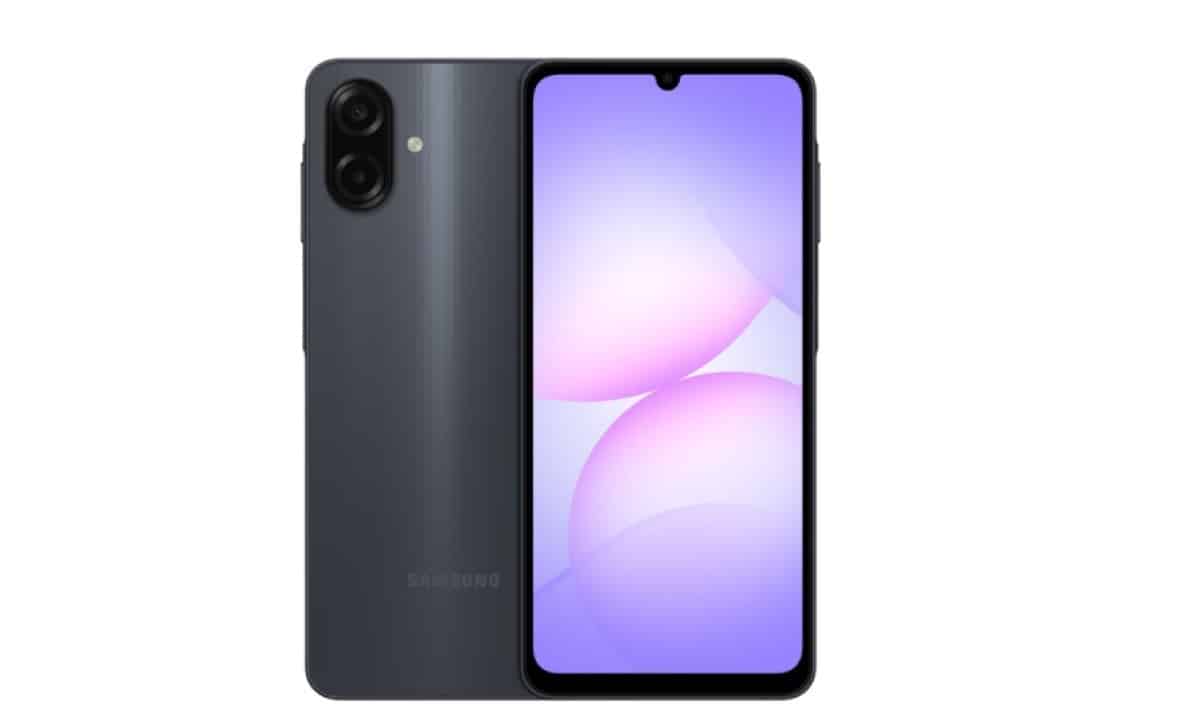
New high-quality renders have revealed the design of Samsung’s highly anticipated mid-range smartphones, the Galaxy A56 and the Galaxy A36. The images, which circulated on specialized technology portals, indicate that the South Korean manufacturer will maintain a cohesive and familiar visual line for its popular A series, focusing on specific improvements rather than a complete redesign.
The main visual distinction between the two models lies on the side of the devices. The Galaxy A56, positioned as the most advanced of the duo, features the feature known as “Key Island”, a subtle elevation in the structure that houses the power and volume buttons, designed to improve ergonomics and facilitate access. In contrast, the Galaxy A36 adopts a design with completely flat sides, without the protrusion, resulting in a more minimalist and traditional appearance.
Both devices follow the Samsung visual identity on the back, with a set of cameras aligned vertically within a single, discreet module. Essa unified design approach reinforces brand consistency across different price segments, allowing consumers to easily identify products from the Galaxy line.

Visual details of the Galaxy A56
The Galaxy A56 stands out in the leaked images for its construction that appears to be more sophisticated, possibly using an aluminum structure that provides greater robustness and a premium feel to the touch. The Key Island is not only an aesthetic element, but also a functional one, creating a tactile reference point that can enhance everyday usability. The Essa feature, already present in previous models, appears to be consolidated as a differentiator for the more equipped versions of the Samsung mid-range.
On the front, the device displays a screen with thin edges and a centralized circular cutout for the selfie camera, following the brand’s Infinity-O pattern. Essa configuration maximizes the use of the display, offering an immersive experience for content consumption. The renderings suggest a varied color palette, with options ranging from sober to more vibrant tones, highlighting the finish of the material.
Features of the Galaxy A36
The Galaxy A36, in turn, was designed with a focus on an audience that seeks a balance between functionality and cost. The absence of the Key Island simplifies the manufacturing process and contributes to a more affordable final price. The flat sides and the finish, which must be made of a high-resistance polymeric material, give the device an elegant and clean appearance, although less elaborate than its bigger brother. The screen also adopts the centralized cutout for the front camera, maintaining visual modernity, but the renders suggest that its edges may be slightly thicker compared to the A56, a common concession in devices in this price range. The rear camera module, although visually similar to that of the A56, reinforces the aesthetic standardization of the line, ensuring a cohesive look. Design choices for the A36 reflect a clear segmentation strategy, offering the series’ key visual features in a more economical package.
Expected specifications for releases
Although the information is not official, solid rumors point to significant advances in the devices’ internal hardware. The Galaxy A56 must be equipped with the new Exynos 1580 chipset, a processor manufactured using modern 4-nanometer lithography, which promises to deliver a considerable leap in performance and energy efficiency compared to the previous generation. Espera is accompanied by options of 8 GB or 12 GB of RAM memory, ensuring fluidity in multitasking and games.
In terms of energy, both models must have a robust 5,000 mAh battery, a capacity that has become standard in the segment and promises autonomy for a full day of intense use. The difference would be in the recharging speed: the A56 would be compatible with 45 W fast charging, while the A36 would maintain support for 25 W, a strategy to differentiate the products.
The screens must be one of the duo’s strong points, with Super AMOLED panels measuring approximately 6.7 inches and a refresh rate of 120 Hz. Essa combination ensures vibrant colors, deep blacks and extremely fluid animations, characteristics valued by the brand’s consumers.
The rear camera array should be led by a 50-megapixel main sensor on both models. The Galaxy A56 should complement this camera with a 12 MP ultrawide lens and a 5 MP macro lens, offering greater photographic versatility. The A36 may have a similar configuration, but with possible different software optimizations.
Differences between models
Samsung’s strategy becomes clear when analyzing the distinctions between the two smartphones. The Galaxy A56 is clearly positioned as a premium mid-range option, targeting consumers who want advanced features without investing in a top-of-the-line model. The Key Island, the metallic finish, the more powerful processor and faster charging are the pillars that justify its higher price.
The Galaxy A36 focuses on cost-benefit, serving a broader audience that prioritizes a solid user experience for everyday tasks, such as social networks, browsing and media consumption. The absence of certain design and hardware refinements allows the Samsung to offer it at a more competitive value while maintaining essential features such as a high-quality screen and long-lasting battery.
Intermediate line context Samsung
The Galaxy A series is fundamental to the commercial success of the Samsung on a global scale, representing a significant share of its total smartphone sales. Esses devices are crucial to the brand’s presence in emerging markets, such as Brasil and Índia, where competition with Chinese manufacturers is fierce.
The strategy of maintaining a consistent design and making incremental updates each year helps build brand recognition and reduce development costs. Instead of reinventing the look, the company directs its investments towards internal improvements, such as more efficient processors, improved cameras and, most importantly, extended software support.
The promise of up to seven years of security updates for some A-line models is a powerful differentiator, which adds value to the product and attracts consumers who plan to keep their devices for longer. Essa policy brings the experience of intermediaries closer to that of the S series flagship models.
Market expectations
Industry analysts project a positive reception for the new Galaxy A56 and A36. The A56 has the potential to attract users of older A-line models looking for a significant upgrade in performance and features, while the A36 should continue to be one of Samsung’s best-selling models, thanks to its balanced value proposition.
The launch schedule is also a strategic factor. Há indications that the devices could be announced in the first quarter of the year, ahead of some competitors and taking advantage of the market’s portfolio renewal period.
Highlighted Software Features
Both smartphones are expected to hit the market with the latest version of the One UI, based on the Android operating system. The Galaxy A56, as the most advanced model, should receive a more complete set of artificial intelligence features, including image editing tools and improved virtual assistants. Extended software support remains one of the biggest attractions, ensuring devices remain secure and up-to-date for years to come, a key differentiator against many competitors in the same price segment.




