
What is the phase of the Moon today (30)? Check out the full calendar and upcoming changes

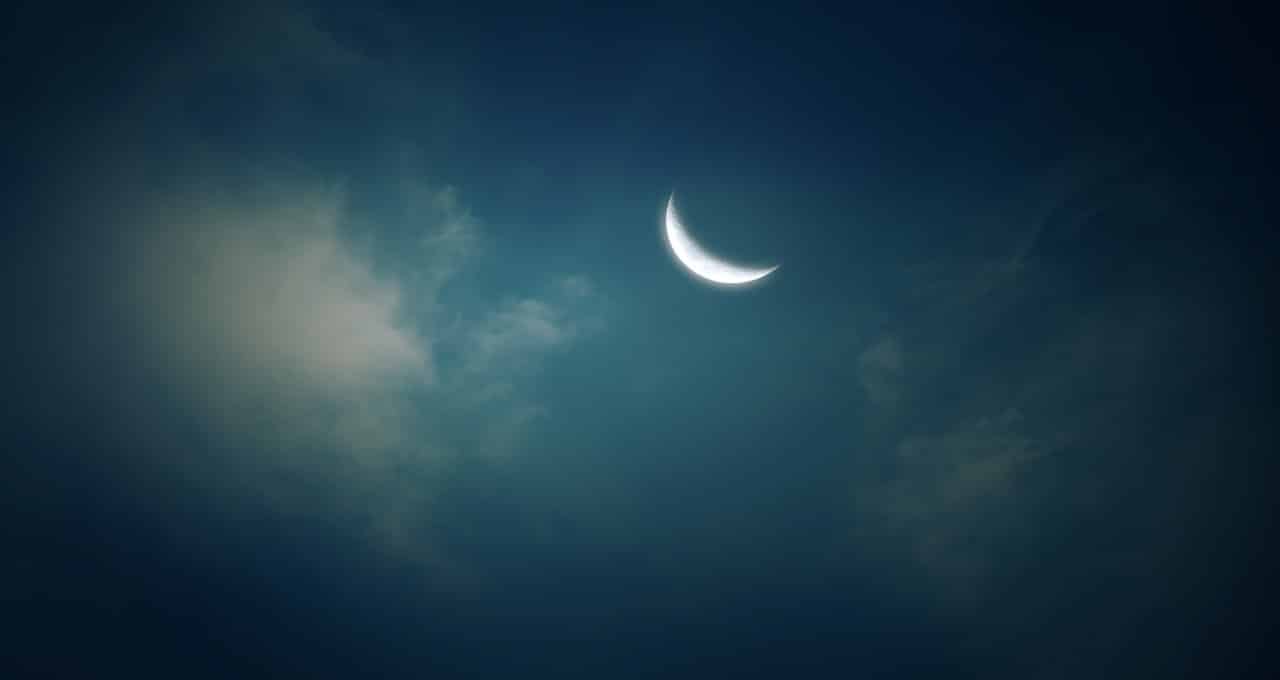
This Friday, January 30, 2026, Lua enters the crescent phase, showing partial illumination visible in the night sky across the entire Brazilian territory. The natural satellite began this phase on January 26th, at 01:47, and remains like this until the transition to full Lua, scheduled for the beginning of February. Observadores can notice the gradual increase in the illuminated portion, which reflects sunlight on the western half of the lunar disk.
The crescent phase occurs after the new Lua and precedes the flood, completing part of the lunar cycle of approximately 29.5 days. No Hemisfério Sul, including Brasil, resembles the letter C in appearance at night. Essa configuration facilitates identification by amateur astronomers and enthusiasts.
The month of January 2026 recorded all four main phases of Lua, starting with the flood on the 3rd and ending with the crescent.
Complete January calendar
The January 2026 lunar cycle followed a regular pattern, with precise transitions between phases. The times consider the Brasília time zone, making it easier to observe in different regions of the country.
- Full moon: January 3, at 7:02 am, with full illumination visible.
- Waning moon: January 10th, at 12:48 pm, marking the beginning of the decrease.
- New moon: January 18th, at 4:51 pm, period of daytime invisibility.
- Crescent moon: January 26th, at 1:47 am, beginning to increase in illumination.
These dates allow you to plan observations throughout the month. The next change will occur on February 1st, with Lua full.
Lunar phase mechanism
The phases of Lua result from the relative position between Terra, Lua and Sol during the satellite’s orbit. Sunlight always illuminates half of the Lua, but the visible portion of the Terra varies depending on the alignment.
The complete cycle, known as lunation, lasts an average of 29.5 days and is divided into four main phases. Cada phase lasts about seven days, allowing gradual transitions observable to the naked eye.
The gravitational interaction maintains the stable orbit of Lua around Terra. Essa dynamics explains the cyclical repetition of phases over the months.

Features of the growing phase
In the growing phase, the western half of Lua receives direct sunlight, increasing day by day. Do Hemisfério Sul, the lunar disk resembles the letter C, differing from its appearance in Hemisfério Norte.
Night observers notice the growth of the illuminated portion, ideal for basic astronomical photography. Essa phase follows the new Lua, when the satellite remains invisible because it is aligned with Sol.
Details of the waning Lua
The waning Lua presents illumination in the eastern half, progressively decreasing until the new one. No Hemisfério Sul, its shape resembles the inverted letter D compared to Norte.
This phase occurs after the flood and precedes the new one, completing the cycle of decrease. Night visibility makes it easier to follow the illuminated reduction.
Aspects of the new and full Lua
The new Lua is positioned between Terra and Sol, becoming invisible during the day. Esse alignment marks the beginning of a new lunar cycle.
The full Lua opposes the Sol, reflecting light across the entire visible surface of the Terra. Essa configuration provides the highest nighttime brightness of the month.
The January flood occurred on the 3rd, while the next one is scheduled for February. Essas phases contrast in visibility and orbital alignment.
Note on Hemisfério Sul
In Brasil and other countries in Hemisfério Sul, the lunar phases have an inverted orientation in relation to Norte. The waxing Lua appears like the letter C, while the waning one resembles the letter D.
We always see the same face of Lua due to the rotation synchronous with the orbital translation. Esse phenomenon keeps a permanently invisible hidden side of Terra.
The appearance varies depending on the observer’s latitude in the hemisphere. Regiões equatorials notice smaller differences compared to poles.
Distance and orbit of Lua
The average distance between Terra and Lua reaches approximately 384,400 kilometers, varying due to the elliptical orbit. At perigee, it approaches 363 thousand km, and at apogee, it moves away to around 405 thousand km.
These variations influence the apparent size of the lunar disk during the phases. The orbit tilted relative to the Earth’s equator adds complexity to observations.
Lua moves away from Terra by about 3.8 cm per year due to gravitational interactions. Esse gradual movement slightly alters the cycles over millennia.
The current distance on January 30 allows clear visibility of the crescent phase on clear nights. Instrumentos as simple as binoculars highlight details of the illuminated surface.
Curiosities about the lunar cycle
The lunar cycle influences phenomena such as ocean tides through gravity. The full and new phases generate more intense tides, known as spring tides.
Astronomers use phases to plan observations of distant celestial objects. The growing Lua interferes less with views of faint stars.
Each lunation varies slightly in duration due to orbital factors. The average interval of 29.5 days maintains the predictability of the lunar calendar.
Regular observations reveal craters and lunar maria in the illuminated portion. The crescent phase highlights contrasts between light and dark regions.
Visibility and observation tips
This Friday night, the crescent Lua appears in the sky after sunset, visible throughout Brasil. Condições Favorable climate conditions allow monitoring without special equipment.
Partial illumination facilitates identification of surface formations such as Mar and Tranquilidade. Telescópios amateurs reveal more details during this phase.
The transition to flood will occur in a few days, increasing nighttime luminosity. Observadores can record daily enlightenment progress.



