
Apple bets on ProMotion screen and advanced camera to differentiate the price of the new iPhone 17

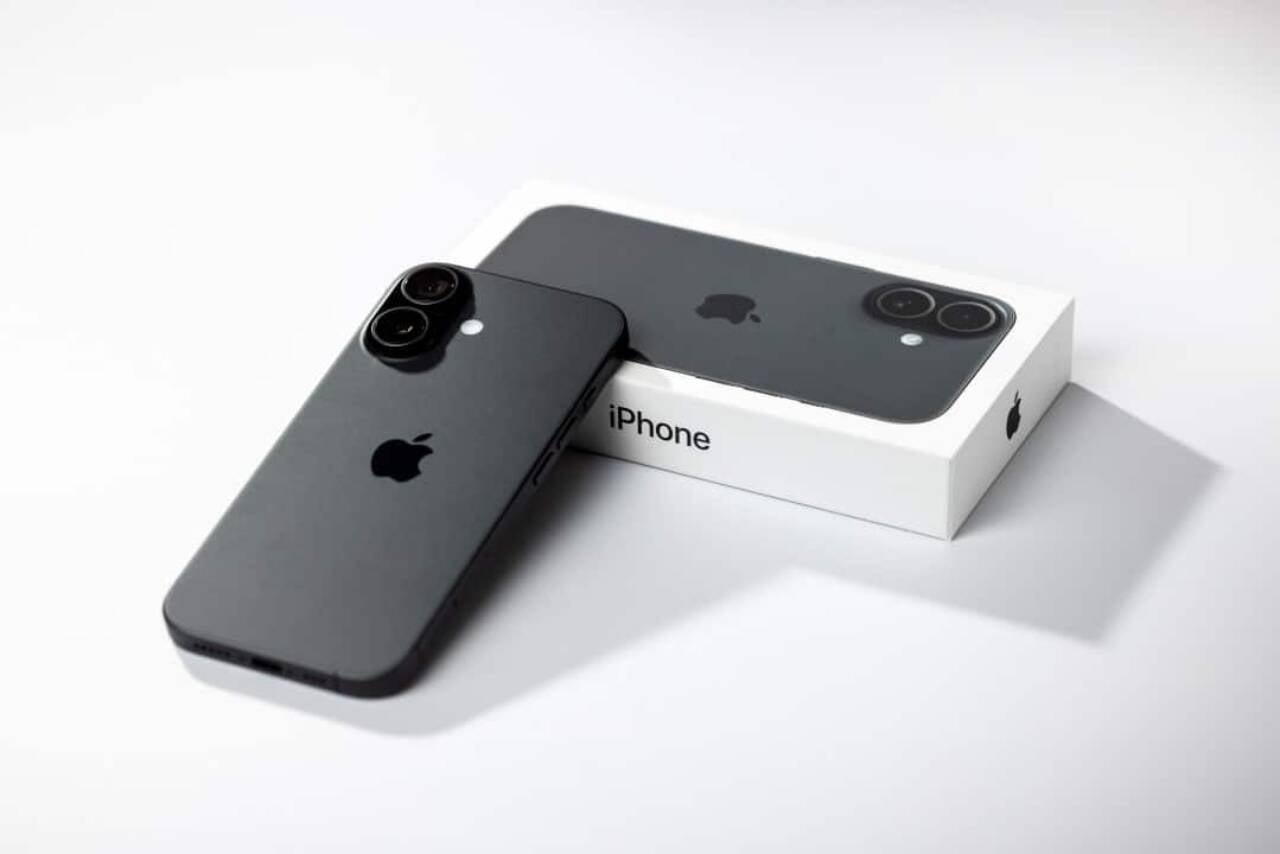
Apple is preparing a new strategy for the launch of its next smartphones, aiming to create a clearer distinction between its models. Rumores indicate that the company plans to launch the iPhone 17 as a premium device, while a new model, called the iPhone 16e, would cater to an audience looking for a more affordable device without giving up recent technologies.
The main justification for the price difference between the two devices would be centered on cutting-edge hardware features. The iPhone 17 should incorporate a screen with 120Hz ProMotion technology and a significantly superior camera system, elements that would position it as the ideal option for technology enthusiasts and content creators.
On the other hand, the iPhone 16e would be a more contained evolution, maintaining a 60 Hz screen, but bringing processing improvements and full support for the Apple’s new artificial intelligence features. Essa approach would allow the company to compete in different market segments simultaneously, offering a more diverse portfolio to consumers.

The main technical distinction between the screens
The most striking difference between the iPhone 17 and the iPhone 16e will lie in the technology of their displays. The most expensive model, the iPhone 17, is tipped to receive a 6.3-inch screen with ProMotion technology, which allows for a variable refresh rate of up to 120Hz. Esse feature provides a much more fluid user experience, with smooth animations, more responsive page scrolling and better gaming performance.
In contrast, the iPhone 16e should maintain a more traditional 6.1-inch panel with a fixed refresh rate of 60Hz. Although this specification is sufficient for most users, the difference in fluidity and touch response will be notable when compared directly with the iPhone 17 screen, being one of the main factors for price and audience segmentation.

Improved capability in the camera system
In the photographic department, the iPhone 17 promises a significant leap. Espera The device is expected to come equipped with a dual camera system, led by an improved 48-megapixel main sensor and a high-performance ultra-wide-angle lens. The combination of these components will allow you to capture more detailed images, especially in low light conditions, and offer greater versatility for amateur and professional photographers.
In addition to hardware, software and image processing improvements should ensure that the iPhone 17 delivers photos with greater dynamic range and more accurate colors. The ability to record videos with cinematic quality will also be one of the focuses, consolidating the device as a powerful tool for content production.
The iPhone 16e, in turn, should also have a 48 megapixel main sensor, which already represents a considerable improvement for the entry-level segment. However, it is unlikely to include the telephoto lens or more sophisticated optical advancements of its more expensive sibling, limiting its zoom capabilities and performance in more demanding photography scenarios.
Performance and the power of Apple Intelligence
Both models, iPhone 17 and iPhone 16e, will be equipped with a new generation of Apple A-series processors, ensuring robust performance for everyday tasks and heavier applications. The advanced architecture of the new chips will ensure that the devices offer a fast and efficient user experience, maintaining the brand’s performance standards.
The software’s biggest differentiator will be full support for the features of Apple Intelligence, the company’s new artificial intelligence suite. Isso means that both devices will have access to smarter virtual assistants, generative AI tools and other features that promise to transform the user’s interaction with the device. Hardware optimization will be essential for these functions to run smoothly.
However, it is speculated that the iPhone 17 may have subtle advantages in AI performance due to a chip with a more powerful GPU (Processamento Gráfico Unit). Esse improved component can accelerate tasks related to complex graphics and 3D modeling, benefiting gamers and professionals who use video and image editing applications directly on their cell phones.
This small hardware advantage can translate into faster execution of certain artificial intelligence tasks, especially those that rely on intensive graphics processing. Para the common user, the difference may be imperceptible, but for “power users”, it can be a decisive factor in choosing the more advanced model.
Storage strategy and price positioning
The Apple should also use storage capacity as a clear differentiating factor between the two models. The iPhone 17 is expected to start with an internal storage capacity of 256 GB, a move that meets the growing demand from users who store large amounts of high-resolution photos, 4K videos and heavy applications. Essa decision positions the iPhone 17 as a premium device, ready for intense use from its entry-level version, in line with the expectations of consumers who seek maximum performance and space.
On the other hand, the iPhone 16e should maintain the tradition of starting with 128 GB of storage, a capacity that is still considered sufficient for a moderate profile user. Embora to The intention is clear: to encourage users who need more space to invest directly in the superior model, which already offers other advantages, such as the ProMotion screen and a more advanced camera system.
Battery autonomy and material finish
Battery life is another area where the iPhone 17 should stand out. Graças to the energy efficiency of the ProMotion screen, which dynamically adjusts the refresh rate according to the content displayed, and hardware optimizations, this model is expected to offer superior autonomy, supporting a full day of intense use without difficulties. Rumores initials point to a continuous video playback capacity of up to 30 hours, an expressive number that guarantees peace of mind for users who depend on their smartphone for work and entertainment. On the other hand, the iPhone 16e, although designed to offer good autonomy for moderate use, is not expected to reach the same durability levels as its more expensive brother. Design and construction materials should also reflect market segmentation. The iPhone 17 will likely use more noble materials, such as titanium and glass with advanced ceramic treatment, providing greater resistance and a more sophisticated appearance. Já the iPhone 16e can opt for an aluminum and reinforced glass structure, maintaining the construction quality of the Apple, but with a lower production cost.
The target audience for each device
With this strategy, Apple clearly defines the audience for each device. The iPhone 17 is aimed at technology enthusiasts, content creators and users who demand maximum performance and don’t mind paying more for it. Já the iPhone 16e is aimed at the average consumer, who wants a new iPhone with access to the ecosystem and the latest software developments, such as the Apple Intelligence, but who has a more controlled budget and does not insist on the most advanced hardware features.



