
Moto G86 and Galaxy A56 emerge as cost-benefit leaders in new cell phone test

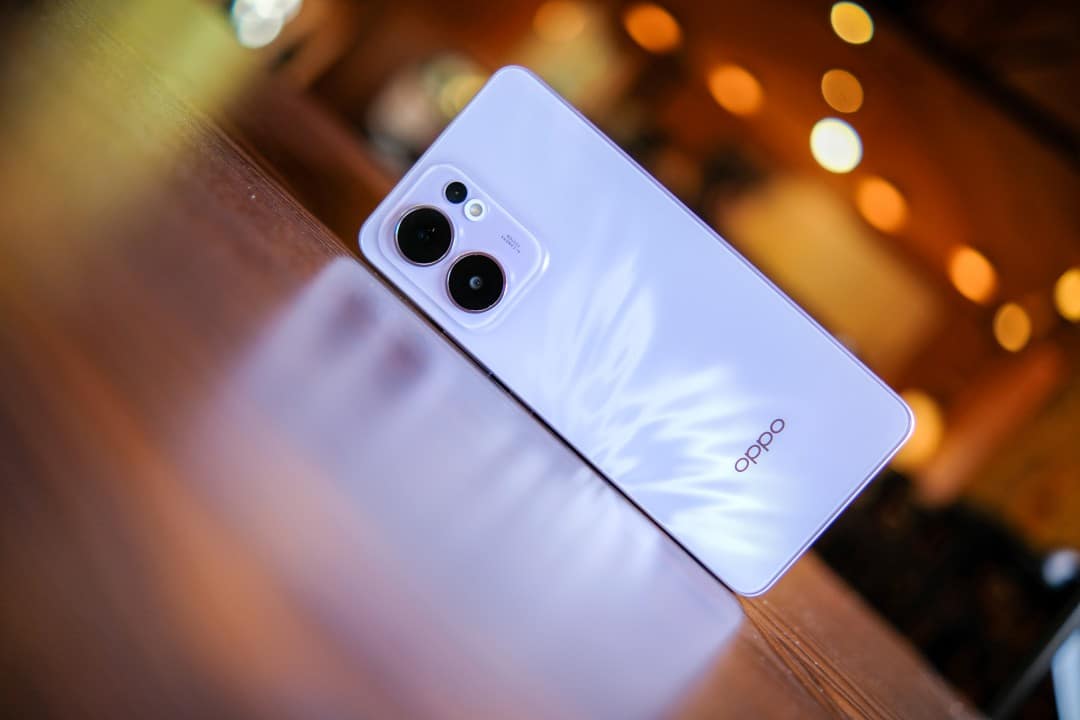
An in-depth technical analysis put the Moto G86 and Galaxy A56 smartphones in the spotlight in the fierce intermediary market. The study, which evaluated five of the most relevant launches in the segment, concluded that the Motorola and Samsung devices offer the most balanced set of performance, features and price, standing out as the best cost-benefit options for consumers looking for cutting-edge technology without compromising their budget.
The comparison subjected the devices to a rigorous battery of tests, covering everything from the construction quality and visual experience of the screen to the processing power in everyday activities and games. The battery life and versatility of the camera system were also crucial criteria in the evaluation, which included strong competitors such as the Oppo Reno 13F, Jovi V50 Lite and the Xiaomi Redmi Note 14 Pro.
While all models had strong points, the combination of a competitive retail price with strong, consistent performance was the differentiator that positioned the Moto G86 and Galaxy A56 ahead of their rivals. The dispute demonstrates how manufacturers are investing to bring premium features to a more accessible price range, making consumer choice increasingly complex and based on technical details.
Technical specifications in dispute: screen, processor and memory
In the field of performance, the competition proved to be intense, with the Moto G86 taking the lead in benchmark tests, which measure overall processing capacity. Equipado with a cutting-edge processor manufactured in 4 nanometers, the Motorola model demonstrated superior agility to handle multiple tasks and heavy applications. The Galaxy A56 and the Redmi Note 14 Pro followed closely, with very close scores, ensuring that all three are solid choices for those looking for fluidity and quick response. The energy efficiency provided by this manufacturing technology also translates into less heating during prolonged use. Para gaming enthusiasts, the Galaxy A56 stood out, presenting the best graphics performance among its competitors, which makes it a particularly attractive option for the gaming public. Todos devices come with robust memory configurations, ranging between 8 GB and 12 GB of RAM and offering 256 GB of internal storage as standard, generous space for applications, photos and videos. One point to consider is the presence of a microSD card slot on the Motorola and Xiaomi models, a feature that allows you to expand storage in a simple and economical way.
The battery marathon and the power of charging
Energy autonomy is one of the most critical factors for users, and in this regard, the Jovi V50 Lite has established itself as the absolute champion. With a 6,500 mAh battery, the device reached the mark of 17 hours and 48 minutes of continuous use, a performance that puts it far ahead of the others and guarantees more than a day away from the socket, even under intense use.
Despite the V50 Lite’s leadership, the other models did not disappoint. The Oppo Reno 13F, with a 5,800 mAh cell, achieved 12 hours and 40 minutes, while the Galaxy A56 recorded 12 hours and 30 minutes, proving that good software optimization is as important as the nominal capacity of the battery to ensure a satisfactory usage experience throughout the day.
The megapixel duel: cameras under detailed analysis
In the photographic segment, competition intensifies with most devices relying on 50 megapixel main sensors. Essa choice of hardware allows you to capture images with a high level of detail and accurate colors in ideal lighting conditions.
The notable exception is the Redmi Note 14 Pro, which ups the ante with an impressive 200-megapixel main camera. Embora the higher resolution offers more flexibility for cropping and enlarging, the results in daytime photos were surprisingly similar between all devices tested.
The most significant differences emerged in low-light environments. In nighttime scenarios, the Jovi V50
All smartphones in the comparison offer ultra-wide-angle lenses for wider captures and a dedicated macro mode for photographing very close objects. Para selfies, resolutions range from 12 to 32 megapixels, with all delivering high-quality results suitable for social media and video calls.
Premium construction and protection from the elements
The durability and aesthetics of the devices are important points of differentiation. Manufacturers explored a variety of materials, from practical plastic to more sophisticated glass and finishes that imitate leather, seeking to attract different consumer profiles.
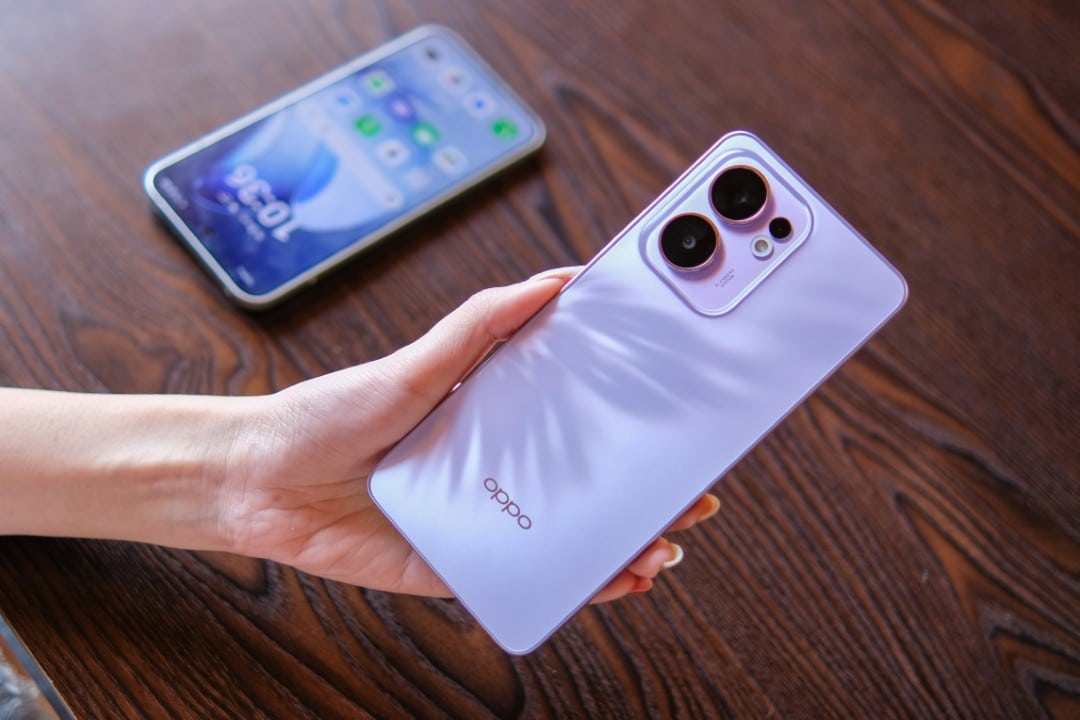
The Oppo Reno 13F stands out with a lavender version with a unique texture, while the Galaxy A56 adopts a design language that refers to the brand’s top-of-the-line models, with a glass back and aluminum frame.
Protection against water and dust was also a standout factor. The Oppo Reno 13F and Moto G86 lead the way with IP68 and IP69 certifications, the highest resistance levels available. The Galaxy A56 follows closely with IP67 certification, which guarantees protection against temporary immersion in water.
Future-proofing: the software update cycle
Long-term software support is an investment in the life and security of your device. Nesse question, Samsung takes the lead decisively, promising up to six major updates from the Android operating system to the Galaxy A56. Essa policy guarantees that the device will receive new features and security improvements for many years, remaining current and protected against vulnerabilities.
The Oppo also positions itself well, securing five major updates for the Reno 13F, a significant commitment to its users. Motorola, in turn, reports a four-year period of security updates for the G86, while Jovi and Xiaomi commit to three and four years of support, respectively, for their models.
Artificial intelligence as a new standard
The integration of artificial intelligence features is a common point that adds value to all tested devices. With increasingly powerful processors and the native presence of the Gemini, the AI of the Google, smartphones offer intelligent features that enhance the user experience, from automatic photo optimization and proactive battery management to more capable and contextual virtual assistants.
The price verdict: which model offers more for less
When analyzing the relationship between what each device delivers and its market price, the Moto G86 stands out as the most affordable option, being found for an average value of R$2,000. Esta price range, combined with its benchmark-leading performance and good build, makes it an extremely competitive choice.
The Galaxy A56, positioned slightly above, with an approximate cost of R$2,200, justifies the extra investment with its superior graphics performance, competent cameras in low light and the promise of longer software support. The Oppo and Jovi models are in the R$2,500 range, while the Redmi Note 14



