
Xiaomi expands HyperOS 3.1 beta testing to include Xiaomi 17 series and Redmi K90 models in China


Xiaomi has started a new and expanded testing phase for its latest user interface, HyperOS 3.1, in Chinese territory. Esta second wave of the beta program makes the update available for a greater number of devices, succeeding version 3.0 and incorporating experimental features of the future Android 16 operating system, which is still under development by Google.
The early access program, which initially only covered high-end models such as the Xiaomi 15 series and the Xiaomi Pad 7 Ultra, now extends to other high-performance devices. The expansion demonstrates the manufacturer’s accelerated pace in developing and optimizing its software, seeking to validate the system on a wider range of hardware before the official launch to the public.
Currently, testing is restricted to the Chinese market, where users can sign up to receive the trial version. However, behind-the-scenes information indicates that global builds of HyperOS 3.1 are already undergoing internal evaluations, suggesting that the company is working to reduce the time lag between regional and international releases.
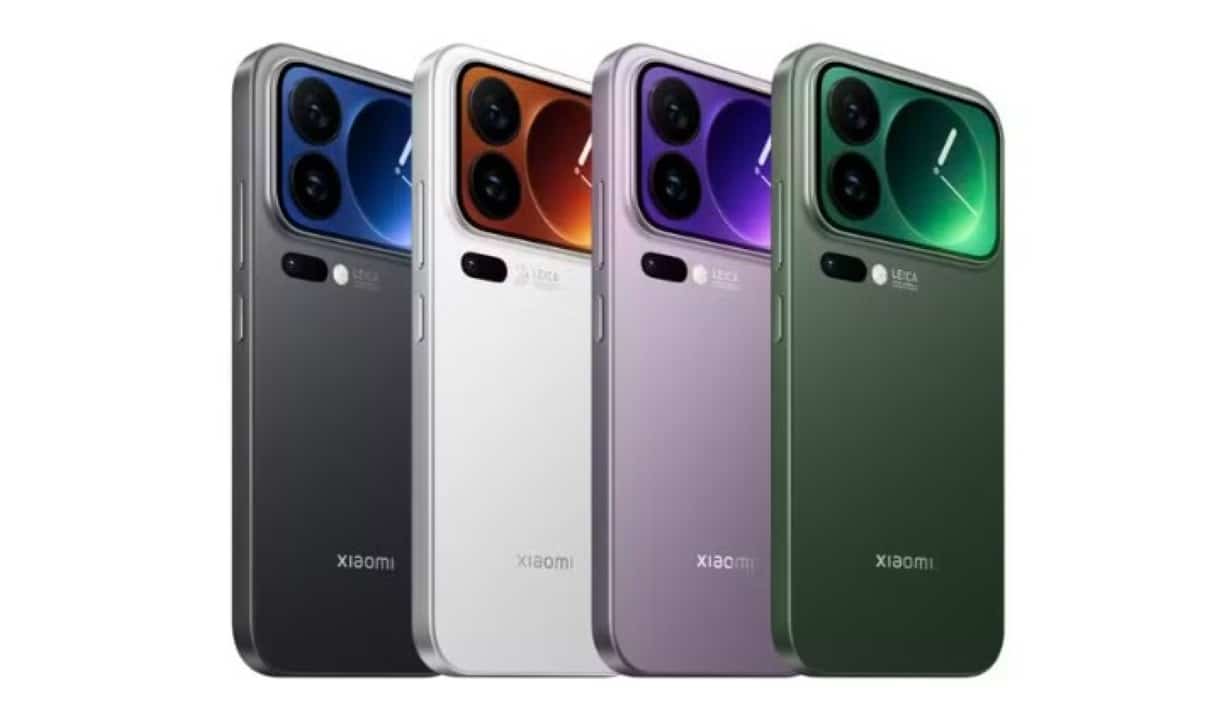
Devices included in the new testing phase
The second phase of the HyperOS 3.1 beta program brought some of the brand’s most powerful and anticipated devices into the testing cycle. Liderando the list of new products are models such as the Redmi K80 Pro and the acclaimed Xiaomi 14 Ultra, known for its advanced camera set. The inclusion of these devices is strategic, as it allows Xiaomi to refine the software for cutting-edge hardware, ensuring maximum performance and compatibility with the latest components. The list of devices added at this stage is extensive and covers both smartphones and tablets, including the entire Xiaomi 17 family, the Redmi K90 and K90 Pro Max variants, in addition to the Xiaomi Pad 8 and Xiaomi Pad 8 Pro tablets. Essa diversidade de modelos é fundamental para coletar um volume significativo de dados sobre o comportamento do sistema em diferentes configurações de tela, processadores e memórias.
These units join the models that were already in the first wave, considerably expanding the scope of validation of the operating system. The Xiaomi’s focus remains on its latest high-end and premium mid-range devices, ensuring that the transition to the Android 16 is as seamless as possible. The version numbers of the updates may vary slightly between devices, but they all carry the BETA indicator, a clear sign that this is a development phase that may present instability. Program participants report that installation is simple, through the official system updater, after prior recruitment carried out directly in the Xiaomi services application available at China.
Visual and functional interface updates
HyperOS 3.1, while not a radical departure from its predecessor, introduces important refinements to the user experience, many of which derive from innovations in Android 16. One of the most notable changes is the implementation of a new stacked layout for viewing recent applications. Essa option organizes open application cards elastically and vertically, making navigation and handling easier with just one hand, a welcome optimization for larger screens. Outra highlighted functionality is live updates on dynamic interface elements, such as widgets and notifications, which can now display real-time information in a more integrated way and without the need to open the corresponding application. Adicionalmente, the interface received general visual improvements, with animations that become more fluid and responsive, especially on devices equipped with high refresh rate screens. The control center also underwent a subtle redesign, with adjustments to the design and arrangement of shortcuts to offer greater practicality in quick access to essential settings such as Wi-Fi, Bluetooth and mobile data, maintaining the system’s already consolidated visual identity.
How participation in the beta program works
The process for participating in HyperOS 3.1 testing at China is structured and controlled by Xiaomi. Recruitment takes place exclusively through the native application “Serviços e Feedback”, where interested users must register.
To be eligible, applicants must meet a series of criteria, which generally include owning one of the test-compatible models and being in a specific region of the country.
Places for the program are released in limited and highly competitive batches. The selection of participants is made by the company itself, which seeks to diversify the profile of testers to guarantee a representative sample of different usage scenarios.
Once approved, users receive beta updates directly to their device via over-the-air (OTA) and are encouraged to contribute bug reports and suggestions through the integrated feedback tool, helping to improve the stable version.
Identification and structure of test versions
Software builds distributed in this beta phase follow a specific numbering pattern that helps identify their origin and purpose. Atualmente, the builds use the sequence “3.0.300” as a base, indicating that they are development versions that will lead to stable HyperOS 3.1. Cada device model is given a numeric suffix and BETA designation to differentiate it. For example, the Redmi K90 is running build 3.0.300.4.BETA, while the Redmi K90 Pro Max operates with version 3.0.300.2.BETA.
This variation in suffixes occurs because each firmware is compiled and adjusted specifically for the hardware of each device, considering differences in processor, camera sensors and other components. Nos models from the Xiaomi 17 series, builds range between 3.0.300.2.BETA and 3.0.300.5.BETA, with the top of the line Xiaomi 17 Standardization in naming allows developers and advanced users to track development progress in an organized way, quickly identifying which version is being tested on each device.
Tablet-specific optimizations
The Xiaomi tablet line, represented by the Xiaomi Pad 8 and Pad 8 Pro models, was also actively integrated into this new testing phase, reinforcing the company’s commitment to the device ecosystem.
Optimizations for large screens are a central focus in the development of HyperOS 3.1. Recursos like split screen and floating windows have been improved to provide a more robust and intuitive multitasking experience, allowing users to work with multiple applications more efficiently.
The distribution of simultaneous updates for smartphones and tablets guarantees visual and functional consistency across the brand’s entire portfolio, consolidating the idea of a unified ecosystem where the user experience is continuous and integrated, regardless of the device used.
The influence of Android 16 on development
The decision to base HyperOS 3.1 on a still-in-development version of Android 16 is a strategy that puts Xiaomi at the forefront of software innovation. The Essa approach allows the company to integrate and adapt the new features and APIs of Google from the beginning, ensuring that its devices are ready to offer the latest features as soon as the final version of Android is released. Entre The expected benefits are significant improvements in privacy, application permissions management, energy efficiency, and system-level performance optimizations.
However, working with software at such an early stage also presents challenges, such as the possibility of bugs and instabilities inherent to an unfinished platform. The beta program serves precisely to identify and correct these problems in advance, with the collaboration of users. The deep integration with Android 16 also means that HyperOS 3.1 will be able to take advantage of artificial intelligence and connectivity enhancements that are expected in the next major system update of Google, solidifying Xiaomi’s position in the market.
Expectation for global distribution
Xiaomi has not yet released an official timeline for the release of the global stable version of HyperOS 3.1. Contudo, based on previous launch cycles and the current pace of testing on China, market analysts project that international distribution could begin gradually from the first quarter, possibly in February. The first to receive the update outside of the China should be the most recent flagship models, such as the Xiaomi 15 and Xiaomi 17 series, with mid-range and entry-level devices being covered in later phases throughout the year. The confirmation that internal testing of global builds is already underway is a positive sign, indicating that the company is preparing for a more agile and comprehensive launch.




