
Alleged Capcom leak points to Monster Hunter Wilds graphical optimizations for Switch successor


New unofficial information about the highly anticipated game Monster Hunter Wilds, from Capcom, has surfaced online, detailing possible graphical optimizations aimed specifically at the successor to Nintendo Switch. The alleged data leak points to a considerable effort by the developer to ensure that the title works robustly on the console, which has not yet been officially announced by Nintendo.
While the release of Monster Hunter Wilds is confirmed for PlayStation 5, Xbox Series X|S and PC in 2025, the existence of a version for the next hardware of Nintendo remained in the field of speculation. Contudo, this new set of information suggests that Capcom not only plans to bring the game to the platform, but is also implementing advanced techniques to tailor the visual experience to the console’s capabilities.
The information, which circulates on forums and social networks, indicates meticulous work to balance graphic quality and performance. Essa strategy would be fundamental to positioning the successor to Switch as a viable platform for major third-party releases from the first day on the market, attracting both new players and the franchise’s already consolidated fan base on the Nintendo platform.
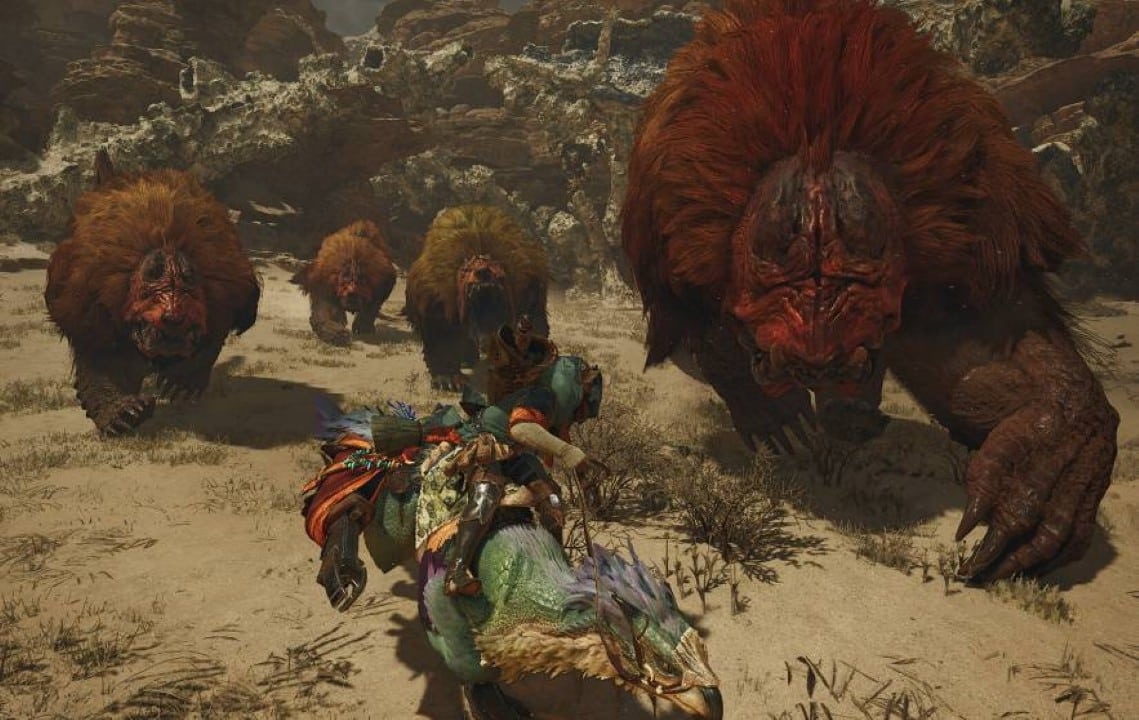
Technical optimization details revealed
The alleged leak delves into the technical strategies that Capcom would be using through its proprietary graphics engine, RE Engine. The documentation points to the implementation of a feature called “FastLoadMode”, designed to drastically reduce loading times and allow for a more fluid transition between the game’s extensive areas, which promise to be one of the highlights of Wilds. Além Additionally, visual optimization techniques are mentioned such as a robust Nível of Detalhe (LOD) system, which adjusts the complexity of 3D models based on distance from the player, saving processing resources without noticeable visual impact during normal gameplay. Outra technique cited is “Occlusion Essas combined approaches aim to guarantee a stable frame rate per second, an essential element for an action game like Monster Hunter, where precision of commands is crucial. The goal would be to maintain a consistent and responsive gaming experience, even in moments of intense combat with multiple monsters and complex visual effects.
The crucial role of RE Engine in scalability
RE Engine, Capcom’s graphics engine, is one of the pillars that make this adaptation for the successor to Desde debuted with Resident Evil 7, the engine demonstrated remarkable flexibility and scalability, allowing games to run on a wide range of hardware, from high-performance PCs to less powerful consoles like the original Nintendo Switch. Títulos like Monster Hunter Rise and the cloud versions of games from the Resident Evil saga on Switch are testimony to the engine’s ability to adapt to different technical specifications.
This versatility is fundamental to the development of Monster Hunter Wilds. The engine allows development teams to precisely adjust various graphic parameters, such as texture quality, lighting effects, shadows and vegetation density. Para the new console version of the Nintendo, the Capcom would be focusing on optimizations that preserve the art direction and fluidity of the game, sacrificing aspects such as ultra-high resolution to ensure that the gameplay, which is the heart of the experience, remains intact and satisfying, taking full advantage of the capabilities of the new hardware.
Performance expectations for the successor to Switch
One of the most discussed points of the leak is the comparison of the expected performance in the successor to Switch with the graphics settings of the PC version. The documents suggest that the Nintendo’s console performance would be equivalent to “low” to “medium” settings on a PC.
For gamers, this means that while the new console version may not have the same visual fidelity in terms of ultra-high resolution or extremely detailed textures seen on other platforms, the core gameplay experience will remain intact.
Capcom’s priority seems to be fluidity and gameplay. Manter A stable frame rate is more important to the Monster Hunter experience than achieving the highest possible graphical quality, a pragmatic approach that has already proven successful in previous releases.
Context and leak history of Capcom
It is important to contextualize that this would not be the first time that internal information from Capcom has been disclosed unofficially. The company was the target of a major ransomware attack in 2020, which resulted in a massive amount of data being leaked, including game release plans for the following years.
Much of the information from that leak ended up being confirmed, which gives a certain degree of credibility to the new rumors. However, until there is an official announcement from Capcom or Nintendo, all details should be treated as speculation.
Potential impact on the launch of the new console
Confirmation of Monster Hunter Wilds as a launch, or near-launch, successor title to Switch would have a significant impact on the console’s initial success. The Monster Hunter series has a huge and loyal fan base, especially on the Nintendo consoles, following the phenomenal success of Monster Hunter Rise.
Having a game of this magnitude available from the start would signal strong support from third-party developers, a factor that was crucial to the popularity of the first Switch.
This would appeal not only to fans of the series, but also gamers looking for graphically rich and complex experiences in a portable format.
A well-optimized launch would demonstrate the power of the new hardware and set a positive precedent for future big-budget games on the platform, solidifying the Switch successor’s position in the competitive console market.
The reaction of the gaming community
The community reaction to the alleged leak has been one of great enthusiasm and cautious optimism. The possibility of playing the next major evolution of



