
IPhone 17’s improved camera and ProMotion screen should justify a higher price than the new iPhone 16e

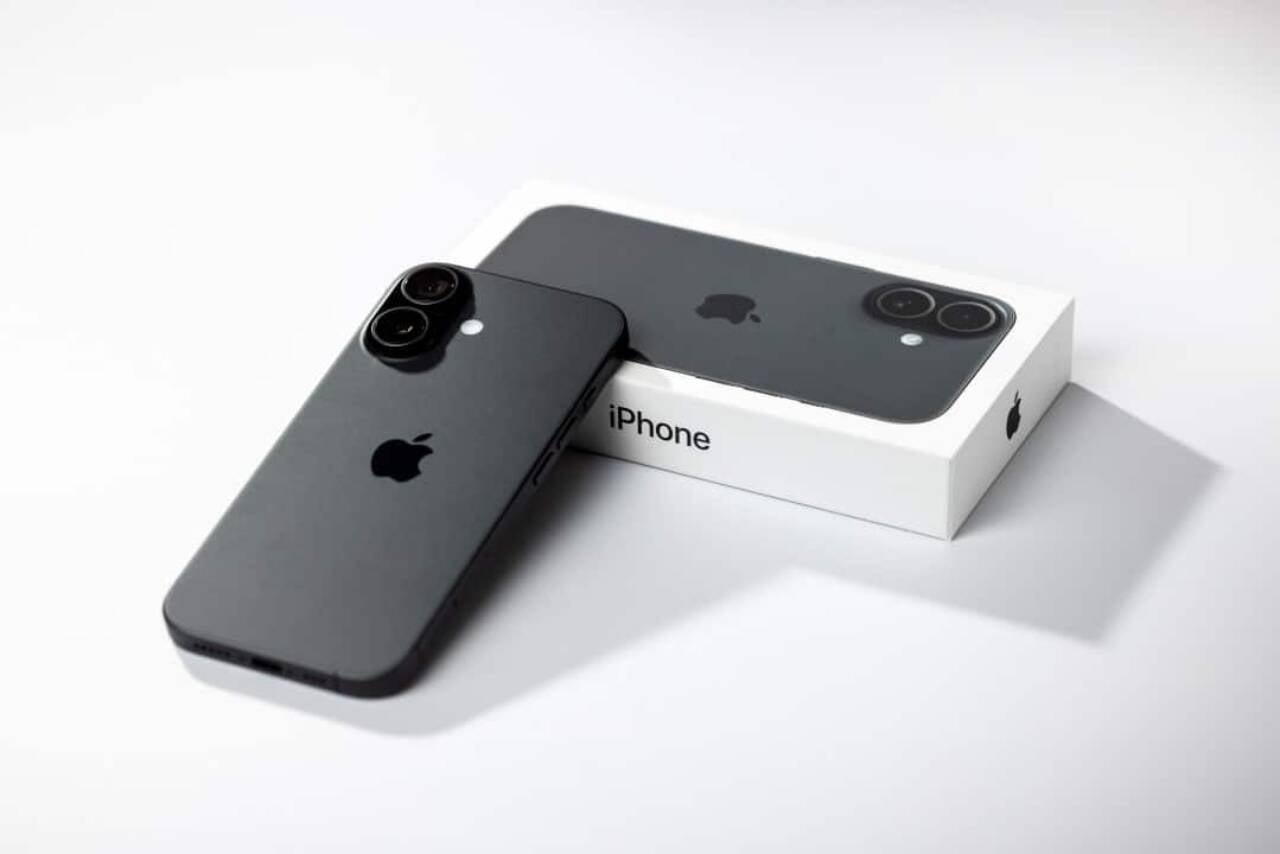
Apple is redefining its strategy for the next generation of smartphones with the introduction of two distinct models: the iPhone 17 and a new, more affordable variant, the iPhone 16e. Fontes from the industry indicate that the main differentiation between the devices will be the screen technology and the camera system, justifying a significant price difference between them.
This approach seeks to create a more segmented product line, offering consumers a clear choice between a device with cutting-edge features and one that balances performance and cost. The iPhone 17 will be positioned as the premium model, incorporating the company’s latest innovations, while the iPhone 16e will cater to a broader audience.
The information, based on supply chain reports and market analysis, suggests that the technology giant intends to consolidate the value of its most expensive models, avoiding sales cannibalization and reinforcing the perception of exclusivity for those looking for the best possible experience on an iPhone.

The main differences in the screen
The most visible distinction between the iPhone 17 and iPhone 16e will be in their displays. The most advanced model must come equipped with a 6.3-inch screen with ProMotion technology, which allows a variable refresh rate of up to 120 Hz. Esse feature provides a noticeably smoother user experience.
For the user, ProMotion technology translates into smoother animations, seamless screen scrolling and a faster touch response, which especially benefits the consumption of multimedia content and games. Além Additionally, adaptive refresh rate helps optimize power consumption by adjusting frequency as needed.

In contrast, the iPhone 16e should maintain a more conventional panel, with a 6.1-inch screen and a fixed refresh rate of 60 Hz. Although this specification is sufficient for most daily tasks, it represents a step down in terms of fluidity and modernity when compared to the technology embedded in the iPhone 17.
This strategic difference in the screen is one of the pillars to justify the positioning of each device in the market. Apple is betting that the most demanding consumers will be willing to invest more to obtain the superior visual experience offered by ProMotion technology, consolidating the iPhone 17 as a true top of the line.
Evolution of the camera system
In the photographic department, the differences between the two models will also be substantial. The iPhone 17 is tipped to receive an improved dual camera system, led by a 48-megapixel main sensor. The big news, however, would be an ultra-wide-angle lens with significant improvements, capable of capturing sharper and more detailed images, especially in low light conditions. Essa combination of advanced hardware with the Apple’s image processing promises to raise the standard of photographic quality in the line.
On the other hand, the iPhone 16e, although it should have a 48 megapixel main sensor, will probably have a simpler set, possibly with a single lens or a less robust secondary one. The focus of this model will be to deliver high-quality photos for everyday use, such as social networks and family records, but without the photographic versatility of its more expensive brother. The absence of an advanced ultra-wide lens or improved zoom capabilities will be one of the compromises to keep its cost lower.
Performance and the power of Apple intelligence
Both devices will be equipped with the new generation of Apple A-series processors, ensuring robust performance for everyday tasks and demanding applications. The architecture of the new chips will be optimized to execute the resources of Apple Intelligence, the company’s artificial intelligence suite, with maximum efficiency.
However, the chip present in the iPhone 17, possibly named A20 Pro, is expected to offer superior graphics performance (GPU) and a more powerful Neural Engine. Essa extra capacity will be directed to complex AI tasks performed directly on the device and to provide a more immersive gaming experience with advanced graphics.
The iPhone 16e, in turn, could receive a standard version of the A20 chip or even a variant of the previous year’s processor, which would still guarantee excellent performance for its price range. Full support for Apple Intelligence is guaranteed, but some more intensive features may have slightly lower performance compared to the premium model.
Storage and pricing strategy
The market segmentation planned by Apple clearly extends to storage options and, consequently, the pricing structure. Rumores consistently point out that the iPhone 17 will have a capacity of 256 GB of internal storage as a starting point. Essa decision directly addresses the needs of power users, content creators, and technology enthusiasts who record high-resolution videos, such as 4K, and utilize a wide range of heavy-duty applications. By setting a higher storage floor, the Apple not only adds value to the product, but also justifies a higher starting price, aligning the device with an audience that prioritizes high-end specs and is willing to pay for them. In contrast, the iPhone 16e is designed to be the gateway to the Apple ecosystem, starting with 128GB of storage. Essa capacity is considered adequate for the average user, who uses the smartphone for communication, social networking and casual photography. Essa Storage differentiation is a smart business tactic, as it creates a clear value barrier between models, encouraging consumers with greater purchasing power to opt for the most complete version, while making the iPhone 16e a competitive and attractive option for a broader market.
Design and battery life
In terms of design, no radical changes are expected, but the iPhone 17 may feature more sophisticated finishes and premium materials, such as titanium with new textures or exclusive colors, to reinforce its identity as a luxury product. Pequenos adjustments to ergonomics and button layout may also occur.
Battery autonomy is another point of interest. Graças Due to the energy efficiency of the ProMotion screen, which dynamically adjusts the refresh rate, the iPhone 17 can offer a battery life equal to or even greater than that of the iPhone 16e, even with more powerful hardware components that, theoretically, would consume more energy.
Market positioning
With this strategy, Apple aims to solidify the target audience for each device very clearly. iPhone 17 is designed for technology enthusiasts, creative professionals and consumers who want the best experience possible without worrying about cost. Já the iPhone 16e targets the vast market of users who are looking for a modern, reliable and good-performing iPhone, but who do not need all the cutting-edge features and prefer a more affordable price.
What to expect from the launch
Although Apple maintains confidentiality regarding its future products, the consistency of reports coming from different industry sources gives high credibility to this information. The segmentation strategy seems to be the path chosen by the company to continue growing in an increasingly competitive smartphone market.
Official confirmation of all specifications, as well as details on prices and availability, should take place during the traditional Apple launch event, scheduled for September. Até there, expectations surrounding the new generation of iPhones will continue to grow, with consumers already evaluating which model will best fit their needs and budget.



