
Extreme cold in the southeastern United States leads to road accidents and an unprecedented record of iguanas falling due to ice in Florida

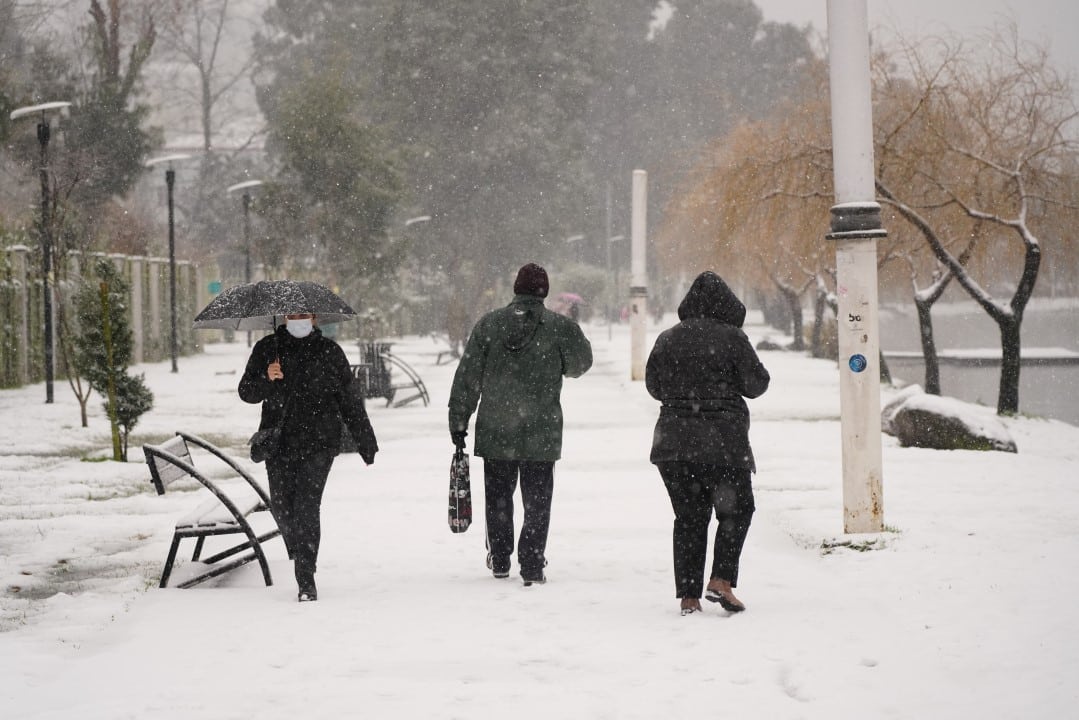
A strong winter storm hit the southeast of the Estados Unidos on the weekend of February 1st and 2nd, 2026, causing significant accumulations of snow, transport disruptions and extreme weather conditions even in the south of the country. Authorities recorded more than a thousand road accidents in Carolina of Norte alone, in addition to hundreds of flight cancellations at important airports. Na Flórida, sub-zero temperatures have caused the unusual phenomenon of cold-paralyzed iguanas falling from trees in several regions. Orlando airport recorded -4°C on Sunday morning, the lowest value ever recorded for February in the location. Esse event follows another recent cold wave that left dozens dead in several states. Emergency teams worked to restore essential services, while residents reported direct impacts to daily routines. The combination of snow, ice and strong winds complicated mobility on roads and runways.
The disturbances were mainly concentrated in Carolina of Norte and in neighboring states. Milhares of drivers faced dangerous conditions on the highways.
- More than 1,000 collisions recorded in a single state.
- Accumulation of up to 40 cm of snow in coastal areas.
- At least two confirmed deaths in traffic accidents.
These numbers reflect the intensity of the snowfall, considered one of the strongest in recent decades in the region.
Blizzard causes mass accidents
Carolina of Norte received the most severe impact from snowfall on Saturday and Sunday. The local governor reported that the roads had accumulated hundreds of incidents, despite warnings for the population to avoid traveling.
Cleanup crews worked around the clock to clear major roads. A pileup involving more than 100 vehicles blocked important sections for hours.
Around 10,000 homes were left without electricity in some areas. State authorities declared an emergency to expedite resources.
Cancellations affect air transport
The airline sector suffered widespread disruptions on Sunday 1 February. Mais of 1,700 flights were canceled across the country, according to air traffic monitoring data.
The airport of Charlotte Douglas, in Carolina of Norte, concentrated most of the problems. Mais half of scheduled operations were suspended due to the accumulation of ice on the runways.
Passengers faced long waits and rebookings. Outros terminals in the southeast also experienced significant delays.
Airlines prioritized operational safety. Gradual normalization only occurred on Monday.

Iguana phenomenon in Flórida
The cold wave reached the state of Flórida, known for subtropical climates. Temperaturas near or below freezing caused the temporary paralysis of green iguanas, an invasive species in the region.
These cold-blooded reptiles enter a state of torpor when the thermometer drops drastically. Muitos individuals lost grip and fell from the trees where they were resting.
Residents shared records of animals lying motionless on the ground in cities in the south of the state. Comissão of Conservação of Peixes and Vida Selvagem of Flórida authorized the temporary collection of specimens.
Animals regain movement as the temperature rises. The entity advised the population to deliver the reptiles to specific points for proper management.
Hundreds of iguanas were taken to care centers on Sunday and Monday. The record of -4°C in Orlando reinforced the rarity of the episode.
Extreme weather conditions persist
The polar air mass maintained cold temperatures across much of the American Southeast on Monday, February 2. Previsões indicated continuation of intense cold in several states.
Regions like Mississippi, Tennessee, and Louisiana were still dealing with power outages from previous events. Dezenas of thousands of homes remained without electricity supply.
Authorities monitored risks of hypothermia and freezing of pipes. Escolas and public services suspended activities in several locations.
NASA test postponement
Weather conditions interfered with space operations on Cabo Cañaveral, on Flórida. A critical fueling trial for the Artemis 2 mission has been postponed.
The procedure involved the SLS rocket and the Orion capsule. NASA chose to wait for climate improvement to ensure safety.
The mission plans to take astronauts into lunar orbit in 2026. The delay adjusted the final preparation schedule.
Technicians assessed impacts on the overall schedule. Outras activities at the space center continued under monitoring.
Authorities’ response measures
Several states activated emergency protocols to deal with the effects of the storm. Equipes rescue personnel responded to calls related to accidents and power outages.
In Flórida, the iguana collection campaign avoided additional risks to the population. The animals, when recovered, may display defensive behavior.
Meteorological services issued preventive warnings. Recomendações included reduced travel and protection against the cold.
Effects on local infrastructure
Accumulating snow and ice damaged power lines in rural areas. Empresas of energy mobilized extra teams for repairs.
Secondary roads remained blocked for longer. Máquinas heavy snow removed thick layers of snow in coastal cities like Wilmington.
Airports have implemented aircraft deicing protocols. The complete operation required several hours after the storm’s peak.
Context of the polar cold wave
This storm followed a similar episode that occurred a week earlier in other regions of the country. The weather pattern brought arctic air masses to more southern latitudes.
Experts observe an increase in the frequency of extreme events. Variations affect everything from transportation to local fauna.
The combination of meteorological factors increased the impacts. Ventos strong precipitation accompanied the precipitation in several places.
Gradual recovery in affected regions
On Monday, conditions slowly improved in the Southeast. Temperaturas began to rise in parts of Flórida in the afternoon.
Teams continued service restoration work. Residentes received guidance on remaining precautions.
The episode highlighted the vulnerability of subtropical areas to polar incursions. Monitoramento proceeded to possible new systems.




