
Herpes zoster vaccine slows biological aging in the elderly according to recent study

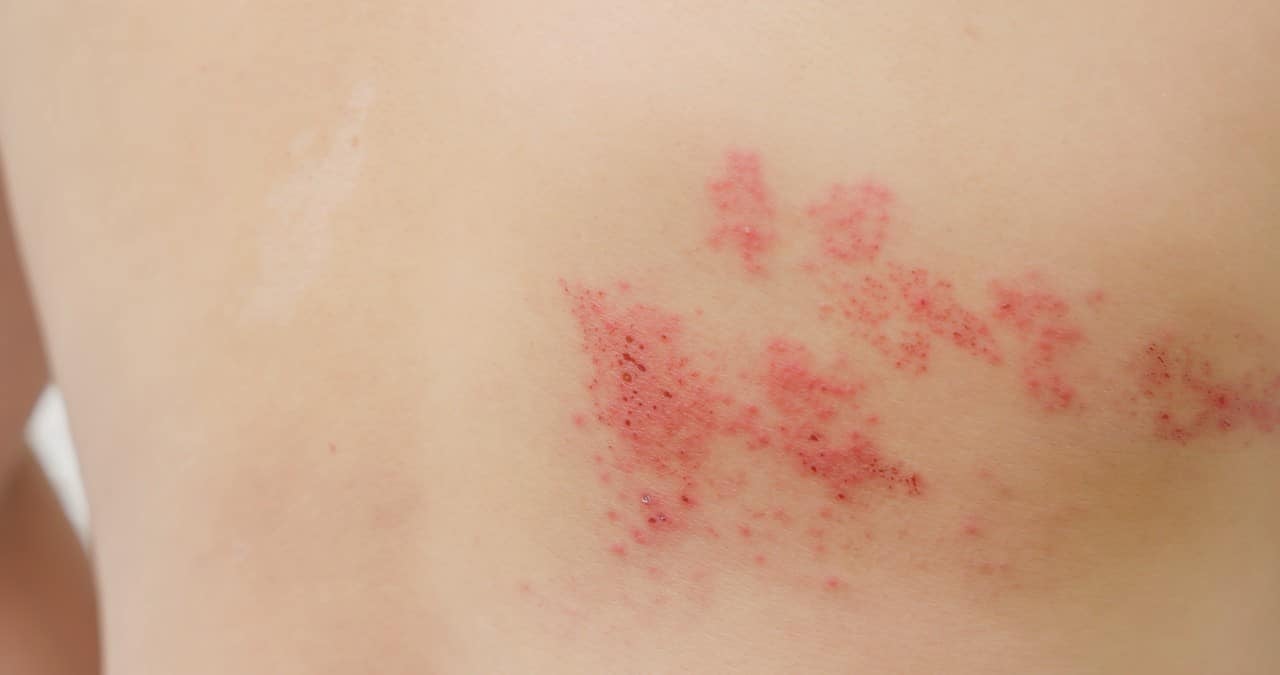
A study conducted by Universidade of Sul of Califórnia (USC) indicated that the shingles vaccine may contribute to slower biological aging in adults over 70 years of age. The research, published in the journal Journals of Gerontology, analyzed data from thousands of participants and identified benefits that persist even years after immunization. Esses effects go beyond disease prevention, influencing age-related biological systems.
The analysis compared vaccinated and unvaccinated individuals, adjusting variables such as health conditions and sociodemographic factors. The results showed significant reductions in markers of inflammation and epigenetic changes. Essa discovery reinforces the importance of vaccination in promoting health in old age.
Researchers highlighted that the benefits observed include slower speed in the aging process of organs and systems. The vaccine appears to modulate immune responses that impact age-related decline.
Understanding shingles and its prevention
Herpes zoster arises from the reactivation of the varicella-zoster virus, the same virus responsible for chickenpox in childhood. The condition causes painful rashes and blisters, mainly affecting adults over the age of 50 or those with compromised immunity.
The available vaccine reduces not only the risk of developing the disease, but also complications such as postherpetic neuralgia, a persistent chronic pain. Especialistas recommend immunization for elderly people as a standard preventive measure.
Methodology adopted in the USC study
Researchers used data from Estudo of Saúde and Aposentadoria of Estados Unidos, a nationally representative survey. The sample included more than 3,800 adults aged 70 and over in 2016.
Comparison between vaccinated and unvaccinated groups revealed consistent differences after statistical adjustments. Biological Indicadores showed more favorable patterns in those immunized.
The authors combined seven key dimensions to create a composite aging score. Essa approach made it possible to evaluate broad impacts of vaccination.

Dimensions analyzed in biological aging
The study evaluated multiple indicators to measure aging beyond chronological age. Esses markers reflect the actual functioning of organs and systems over time.
- Chronic low-grade inflammation associated with heart disease and frailty.
- Innate and adaptive immunity, general and specific defenses against infections.
- Cardiovascular and hemodynamic functions.
- Signs of neurodegeneration.
- Epigenetic and transcriptomic changes in genetic material.
Vaccinated individuals had lower levels in several of these indicators. The reduction was particularly notable in inflammation and epigenetic changes.
Persistent effects years after vaccination
The benefits of the herpes zoster vaccine remained visible even four years after administration. Participantes immunized for a longer time still exhibited slower epigenetic and transcriptomic aging.
This persistence suggests that vaccination influences long-lasting mechanisms in the body. Professores involved in the study emphasized the relevance of public health strategies aimed at aging.
Observed reduction in chronic inflammation
Low-grade inflammation contributes to several age-related conditions, including cognitive decline and cardiovascular problems. The vaccine appears to work by reducing this inflammatory process.
Results indicated significantly lower average levels among those vaccinated. Essa modulation may explain part of the positive effects on general aging.
The phenomenon, known as inflammation, affects multiple systems and accelerates biological wear and tear. Vacinados showed more favorable composite scores in direct comparisons.
Link to lower risk of dementia
Additional research has explored connections between the vaccine and neurodegenerative conditions. A study based on vaccination policy in País of Gales identified a reduction of around 20% in the risk of dementia in vaccinated people.
The analysis followed thousands of adults for seven years, comparing groups with different access to immunization. Diferenças minimums in profiles made it possible to isolate the effect of the vaccine.
Additional benefits identified in research
Other work suggests that vaccines repurposed for adults may protect against cognitive disorders. Immunization against herpes zoster appears associated with lower incidences of dementia in longitudinal observations.
These findings expand understanding of the role of vaccines in brain health. Mecanismos possibly involve modulation of neurotropic viral responses.
International studies reinforce the consistency of these patterns in different populations. Vaccination emerges as a protective factor in addition to preventing acute infections.
Current recommendations for immunization
Health authorities recommend the herpes zoster vaccine for adults over a certain age, regardless of a history of the disease. Immunization is part of preventive calendars for the elderly population.
Public programs facilitate access in several countries, prioritizing high-risk groups. The application occurs in specific doses, according to medical instructions.
Future research perspectives
Scientists advocate the need for additional longitudinal trials to confirm exact mechanisms. Replicações in different populations will help solidify the current evidence.
Experimental investigations can clarify biological pathways involved in protection. Esses advances will contribute to healthy aging policies based on immunization.
The integration of vaccines into broad strategies against age decline is gaining increasing support. Pesquisas continue to explore potential multifaceted benefits.
Impact on public health for the elderly
Herpes zoster vaccination offers dual protection by reducing both the disease and markers of accelerated aging. Essa preventive approach gains relevance with the increase in global life expectancy.
Immunization programs can incorporate these findings to expand coverage in the elderly. The measure reinforces resilience against chronic conditions associated with age.



